
In the Cosmos, Destruction is Never the Final Word.....
When we image the glowing dust of a nebula or the sweeping spiral arms of a galaxy, we can end up feeling small. It is easy to look at the night sky and see a vast, ink-black void that can trigger existential anxieties. Fear of the unknown, fear of our own insignificance, and fear of a fragile future can paralyze us here on Earth.
I see these deep-space structures differently: they are not cold, terrifying monuments to our insignificance; they are cosmic mirrors. If we look closely enough, the birth of stars in nebulae, the dynamics of galaxies, and the tight-knit bonds of star clusters offer a profound blueprint for human hope, planetary sustainability, and courage to overcome fears.
Nebulae: Transforming Fear into Regeneration
Human fear can cause us to resist change, clinging to the status quo out of a dread of scarcity or collapse. Nebulae, however, are the ultimate symbols of recycling and renewal, showing that endings are merely the precursors to new beginnings. These vast clouds of interstellar gas and dust are often called “stellar nurseries,” but a nursery can only exist because of a death: nebulae are fuelled by the remnants of dying stars – in the cosmos, destruction is never the final word.
Look at the Fighting Dragons of Ara (NGC 6188): within the dark, looming dust clouds, young stars are bursting to life, sculpting the gas into forms that resemble mythical beasts locked in combat. It is a stunning visual metaphor for overcoming fear. Dragons traditionally represent the terrifying unknowns we avoid, yet, here, the friction of this cosmic battle is exactly what births incredible beauty.
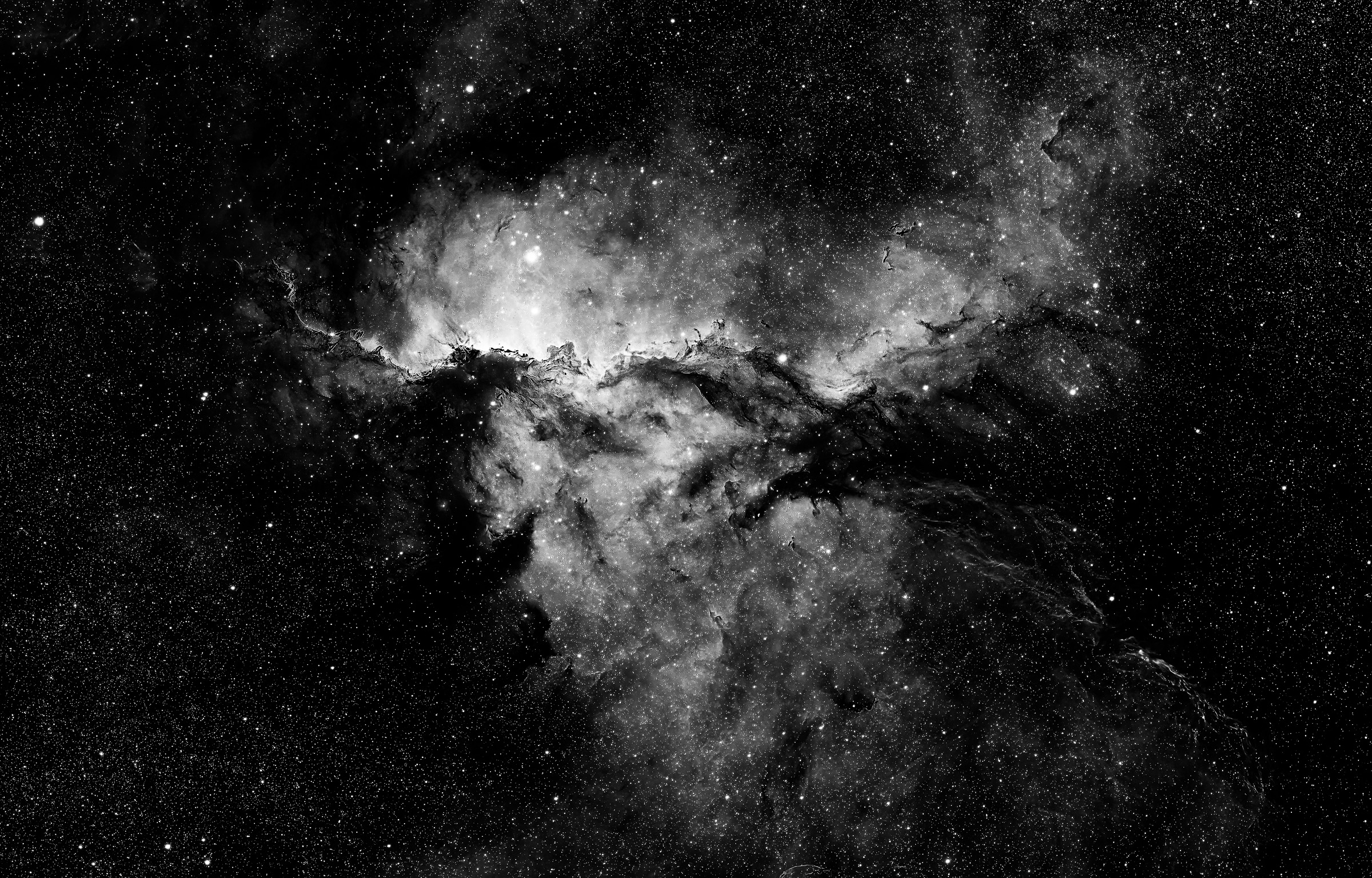
“Where darkness wrestles with nascent light, cosmic dragons are forged from old dust. It reminds us that we need not flee the monsters of our fears, for within the crucible of struggle, new suns are born.”
Look at the Cosmic Reef (NGC 2014 & NGC 2020): an interconnected ecosystem on a galactic scale. The giant red nebula and its smaller blue neighbour form a delicate celestial tide pool, shaped by the fierce, potentially destructive winds of massive stars. Instead of erasing the neighbourhood, the turbulence creates a breathtaking sanctuary.
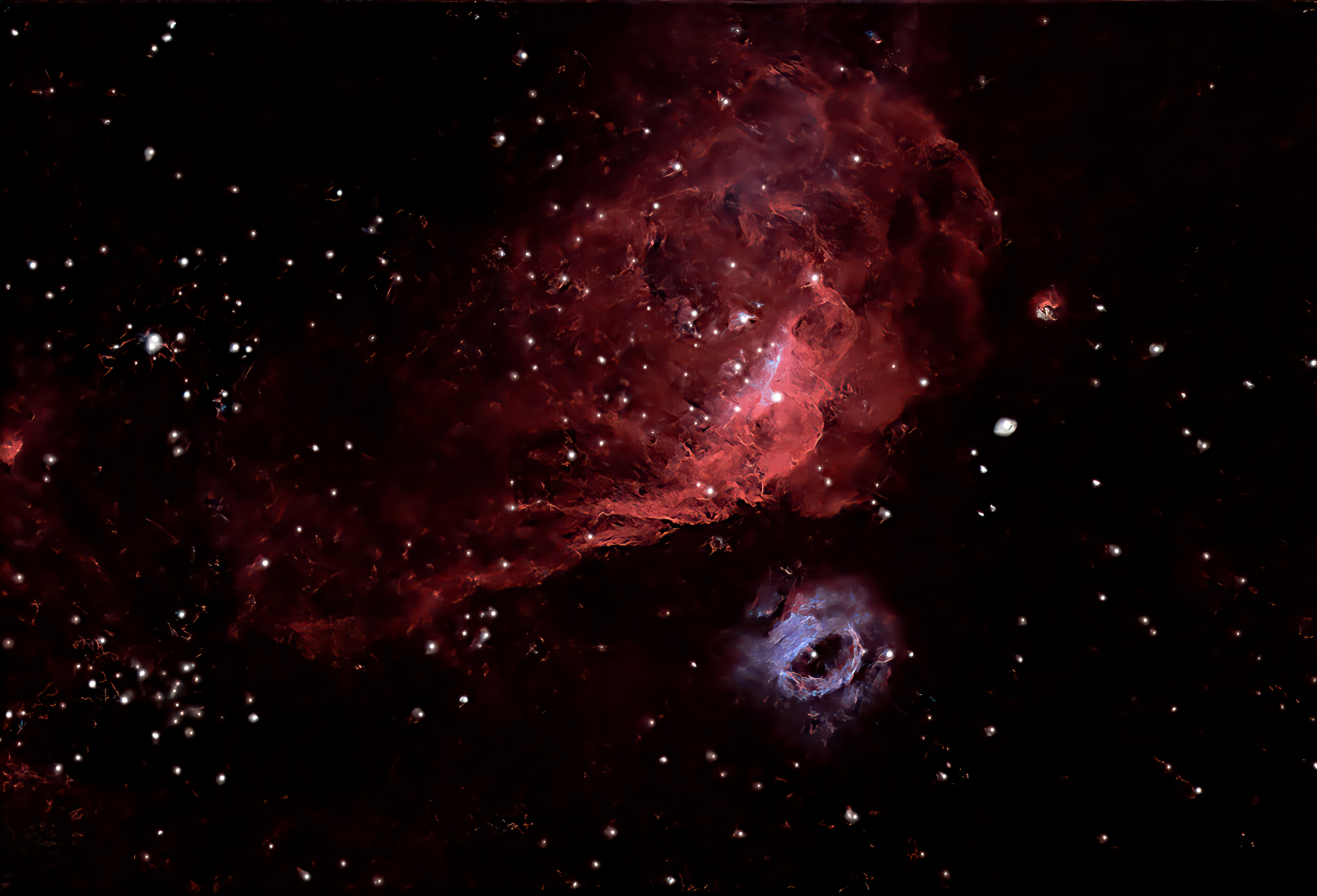
“A crimson ocean and a sapphire shore, thriving amidst the fierce winds of cosmic change. In this celestial tide pool, fear dissolves into awe, proving that vulnerability can coexist with enduring strength.”
Galaxies: Moving Beyond the Fear of Isolation
Much of human conflict and environmental degradation stems from fear—fear of the “other,” fear of “our country” not having enough, and the isolating belief that “our country” must survive alone. Galaxies teach us a masterclass in coexistence, longevity, and interconnected destinies. They are not lonely islands; they are dynamic communities of billions of stars, bound together by gravity and time.
Look at the Whirlpool Galaxy (M51): dancing in the northern sky, it is locked in a grand, gravitational embrace with a smaller companion galaxy. Instead of a violent collision born of destructive gravity, their close relationship triggers a massive wave of star formation along the Whirlpool’s sweeping spiral arms. They do not consume each other; they create together.
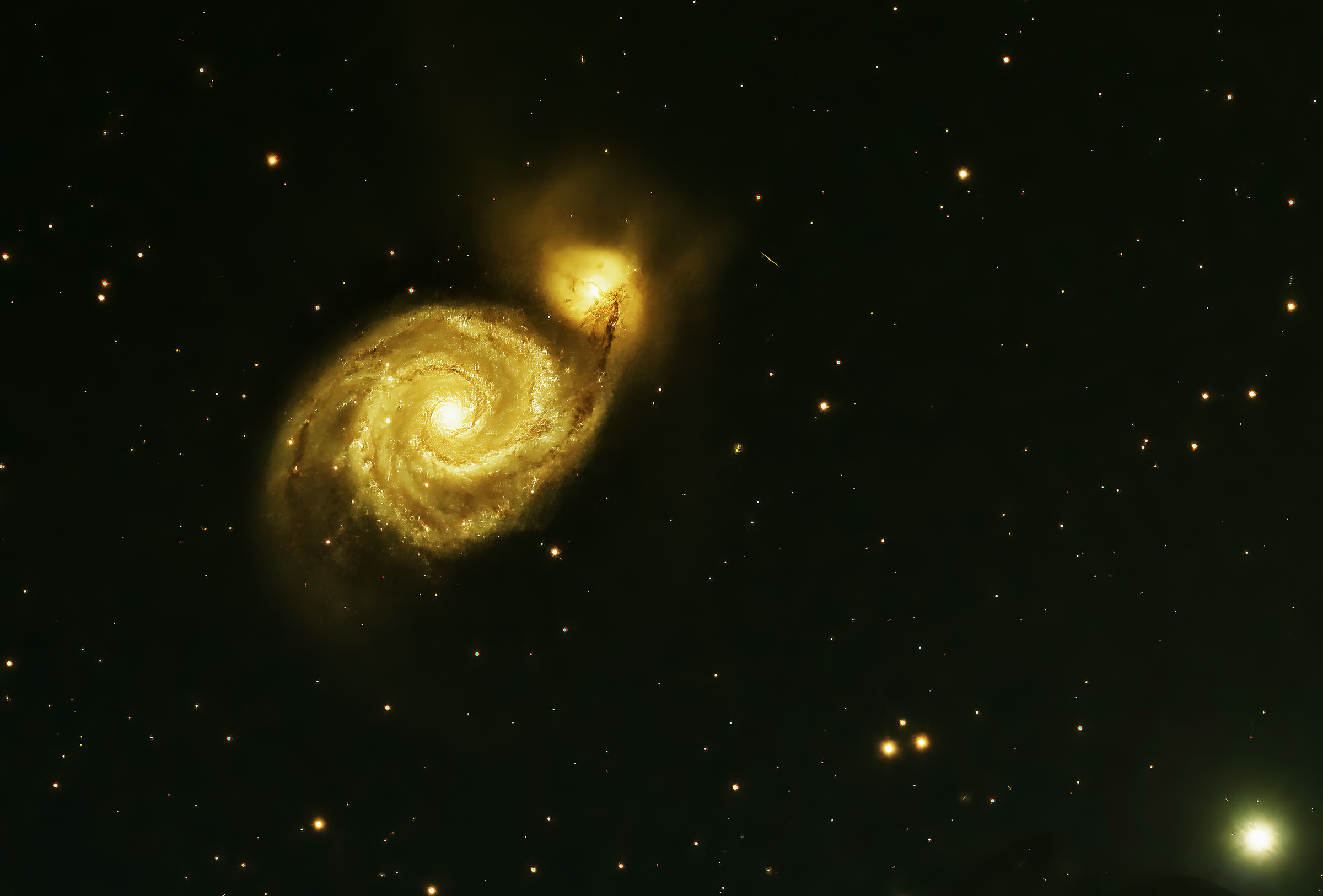
“Two cosmic travellers locked in a silent dance, pulling new life from the void. A reminder that when we conquer the fear of the other, our connections become our greatest engine of creation.”
In contrast, look at the Silver Sliver Galaxy (NGC 891): giving us a perspective on overcoming internal fear. Viewed edge-on, its brilliant, glowing core is sliced cleanly by a dark, thick lane of cosmic dust. It shows us that even when our internal light is obscured by the shadows of anxiety or hardship, the foundational structure of who we are remains intact, vast, and enduring.
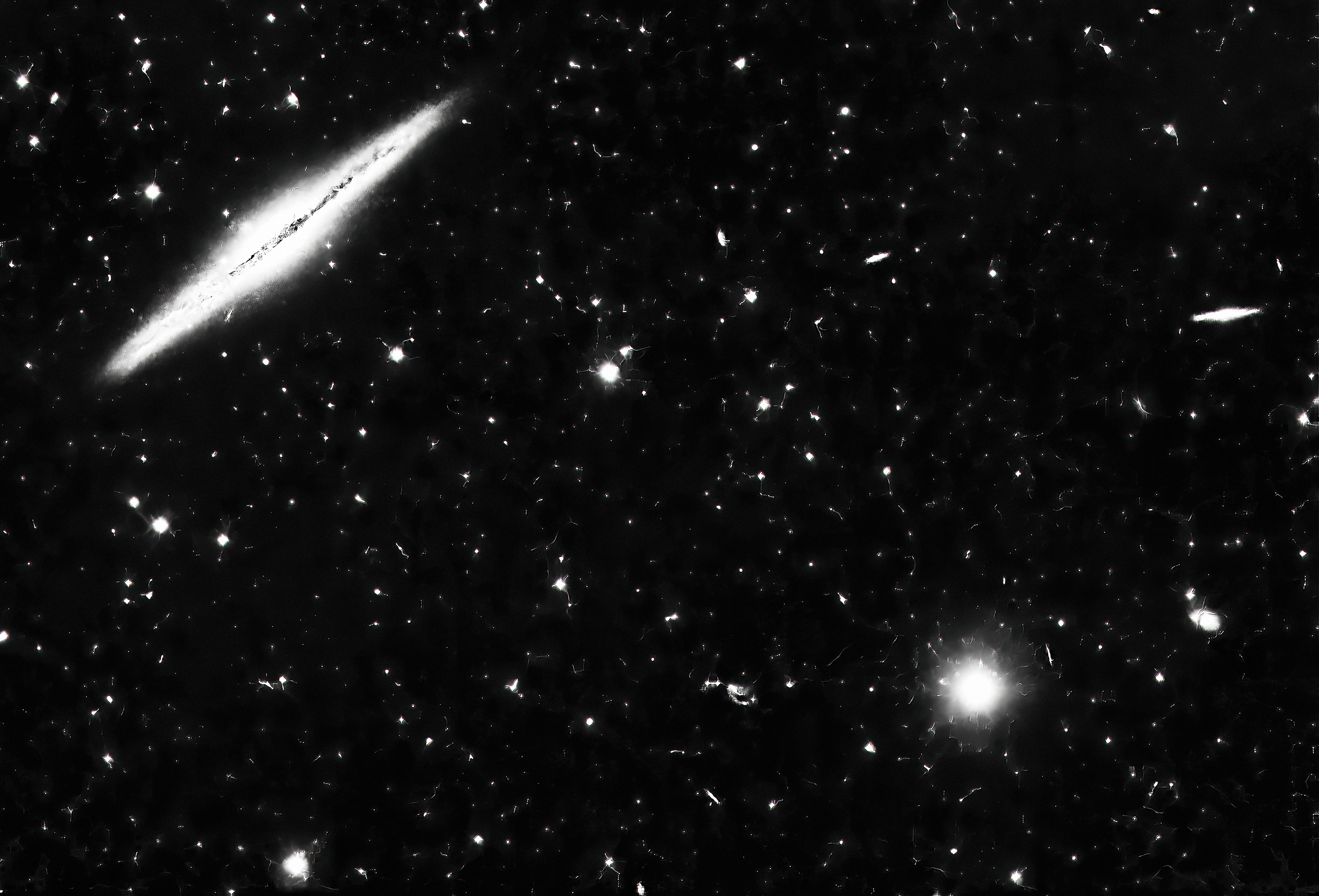
“A blade of light cutting through the dark, unphased by its own central shadow. Even when the dust of fear veils our brilliance, our true depth remains unyielding and profound.”
Sustainable human progress cannot happen if we govern by fear and isolation. Like galaxies, our communities are deeply intertwined. To survive, we must move past the fear of our neighbours and view our global community as a collective system where the actions of one shape the destiny of all.
Star Clusters: The Courage of Community
When resources dwindle or crises loom, fear often drives humans to isolate, hoard, and scatter. Star clusters represent the exact opposite: the ultimate harmony of dense, shared existence. They are the cosmic cities of the universe, where hundreds of thousands of stars live in close proximity, sharing a common origin and a unified destiny.
Look at Omega Centauri (NGC 5139): reigning supreme in the southern sky. It holds millions of stars swirling in a tightly packed, harmonious sphere. To human eyes, such density looks like a recipe for catastrophic collisions. Yet, these stars move in a perfectly balanced gravitational ballet, never colliding, anchored by their collective centre of mass. They do not fear the crowd; they rely on it.
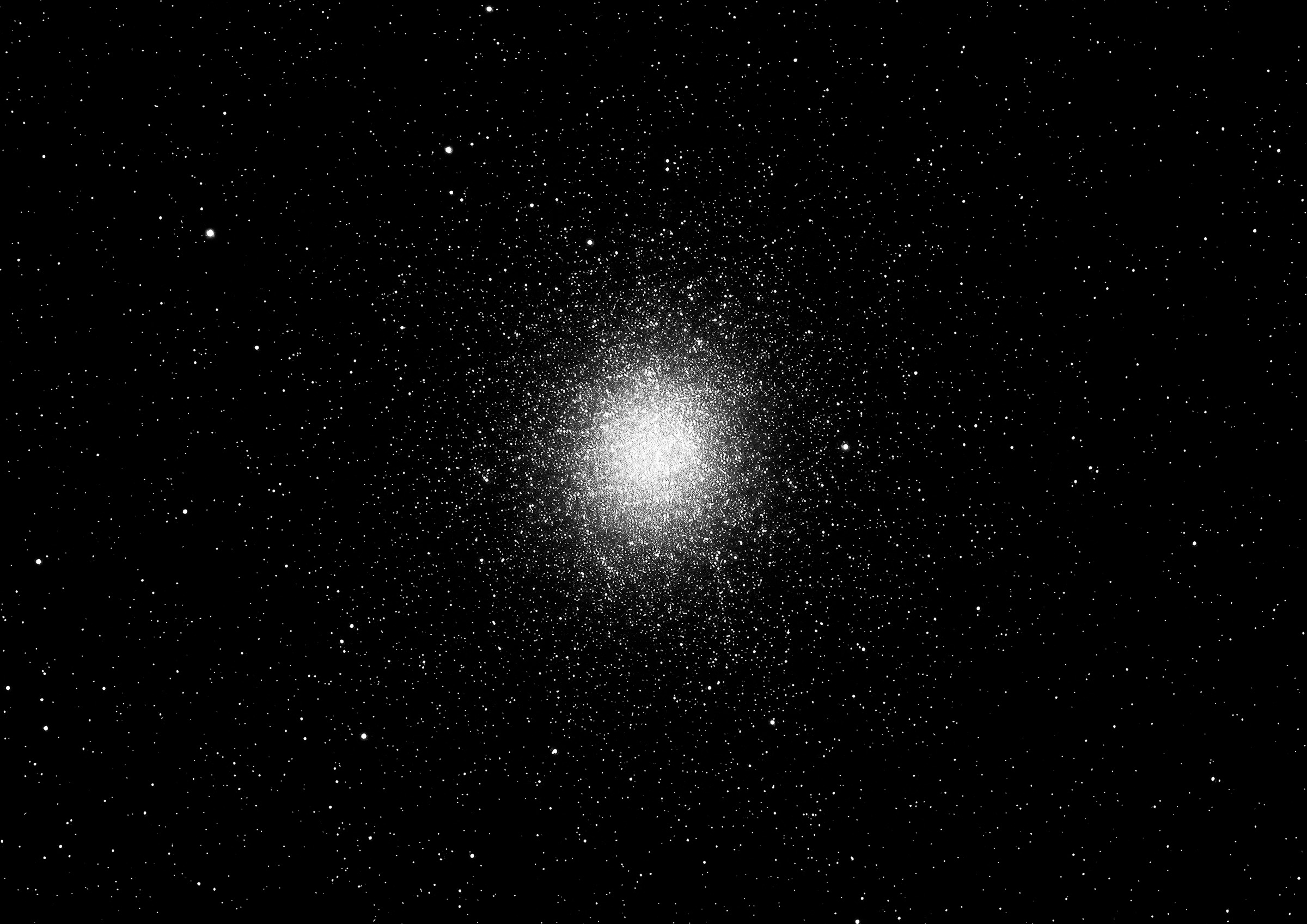
“Ten million stellar souls moving in a single, silent harmony. A metropolis of light that teaches us to conquer the fear of our proximity, holding each other steady in the dark.”
Look at the Gem Cluster (NGC 3293): sparkles like a box of spilled diamonds embedded in glowing gas. These young, brilliant stars burn fiercely together, illuminating the dark, menacing nebula around them far better than any single star could do alone.
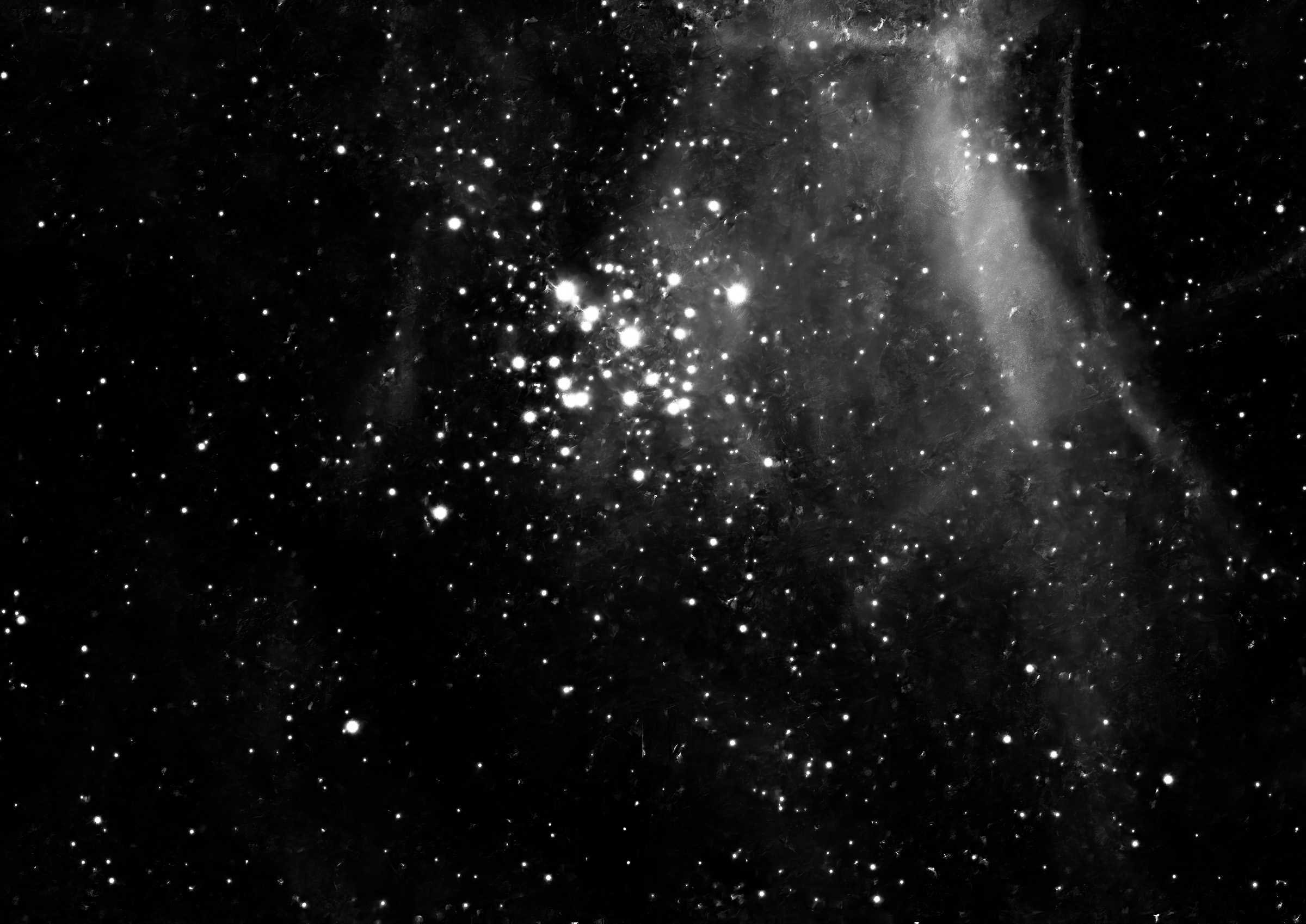
“A scattering of diamonds defying the velvet blackness. Alone, a single point of light might succumb to the dark; together, they form a fearless beacon that banishes the night.”
Star clusters are a powerful mirror for human hope. They prove that crowded spaces do not have to mean chaos or panic. When we conquer the fear of scarcity and anchor ourselves to shared values—like empathy, equity, and environmental stewardship—we can live closely, burn brightly, and banish the darkness together.
Conclusion: The View from Earth
When we look up into the deep cosmos, we are not looking away from our earthly problems; we are looking at the solutions writ large across the night sky. The universe does not waste, it does not isolate, and it does not retreat in fear. It recycles, it connects, and it thrives in community. By adopting this cosmic perspective, we can shed the paralysis of fear and find the hope we need to sustain our own beautiful, fragile home, Earth.