
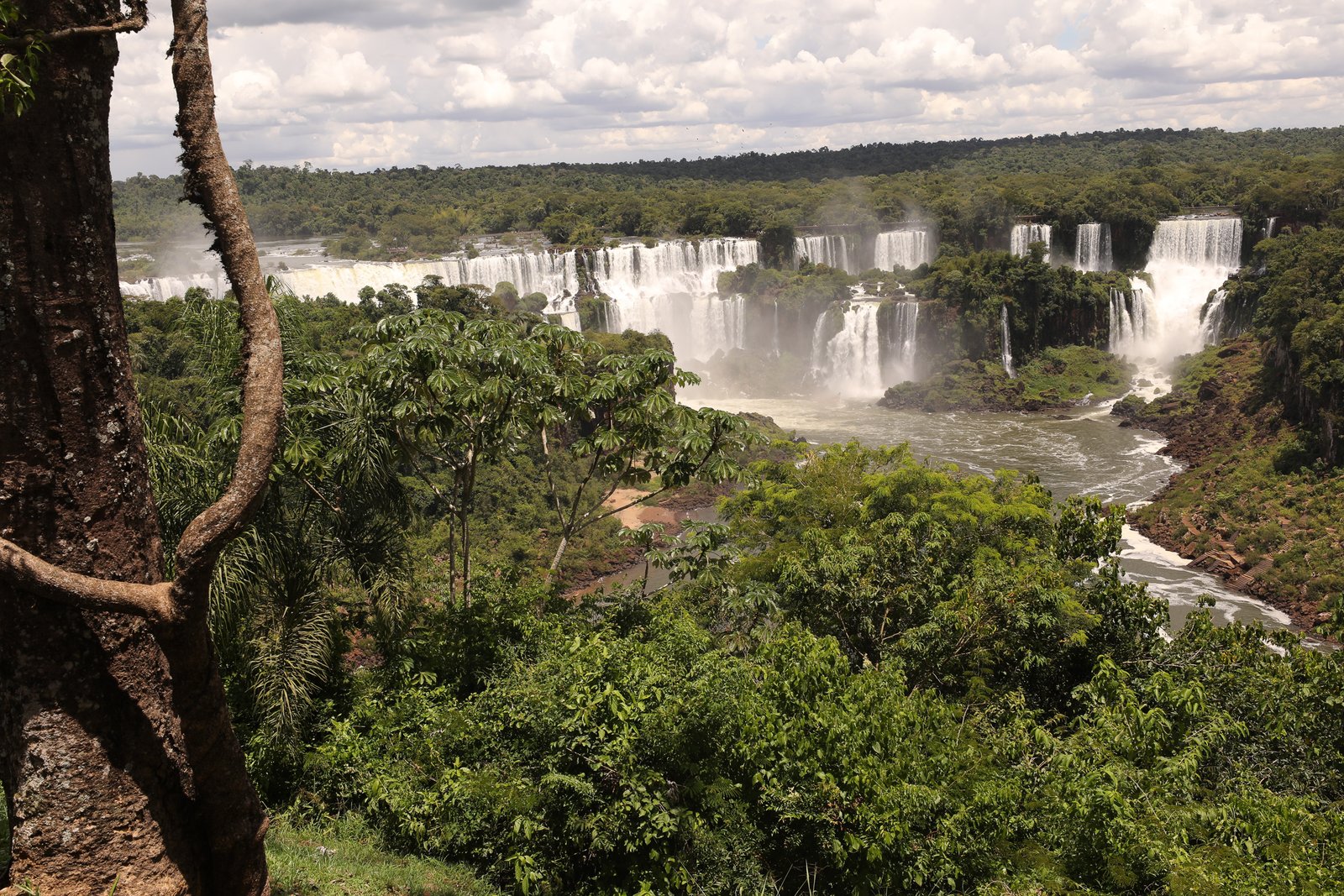
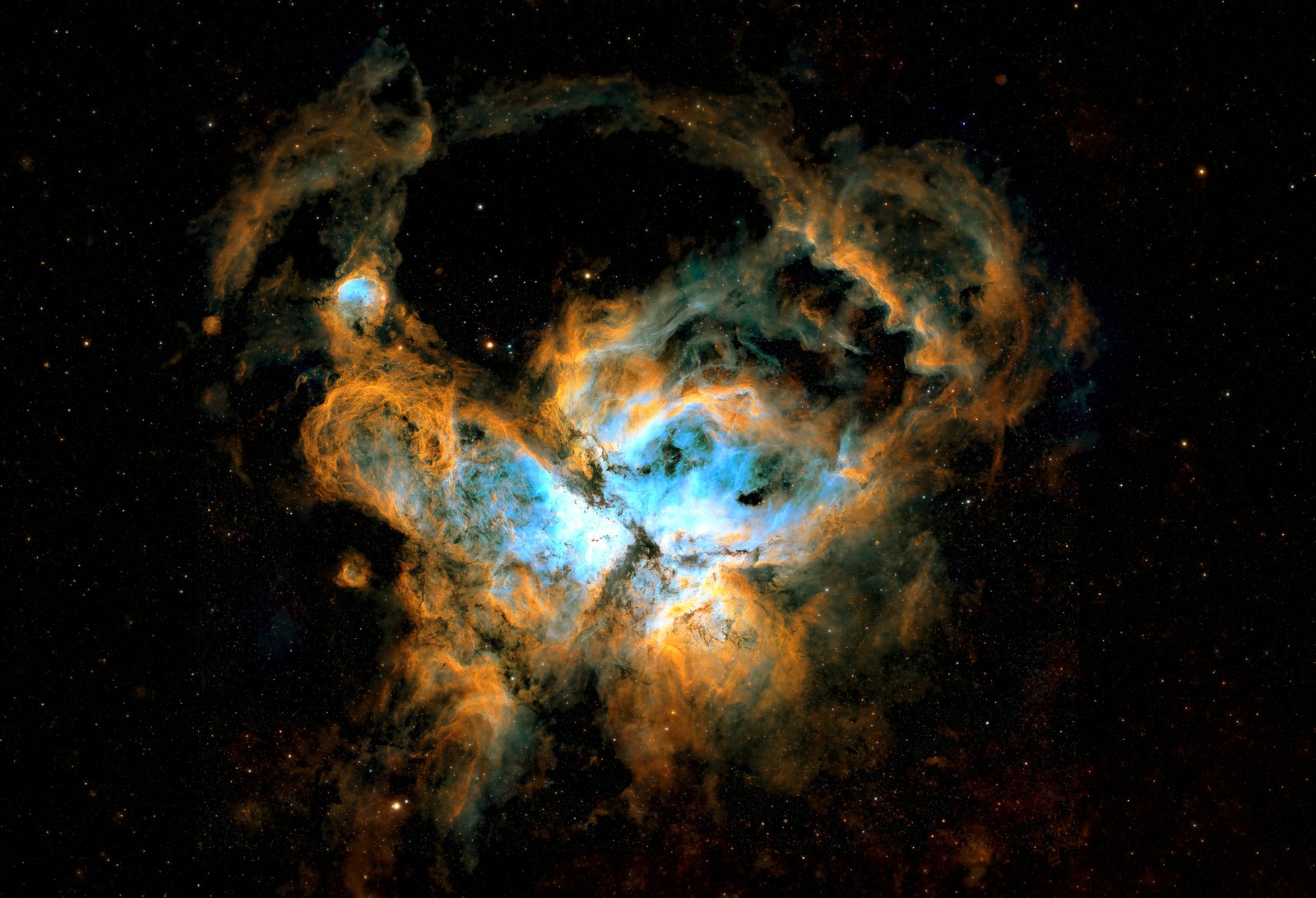
1. Iguazu Falls & The Carina Nebula
Caption: Just as the waters of Iguazu violently reshape the surrounding canyons, the energetic winds of massive stars rip through the Carina Nebula, carving colossal cosmic valleys out of interstellar gas and dust.
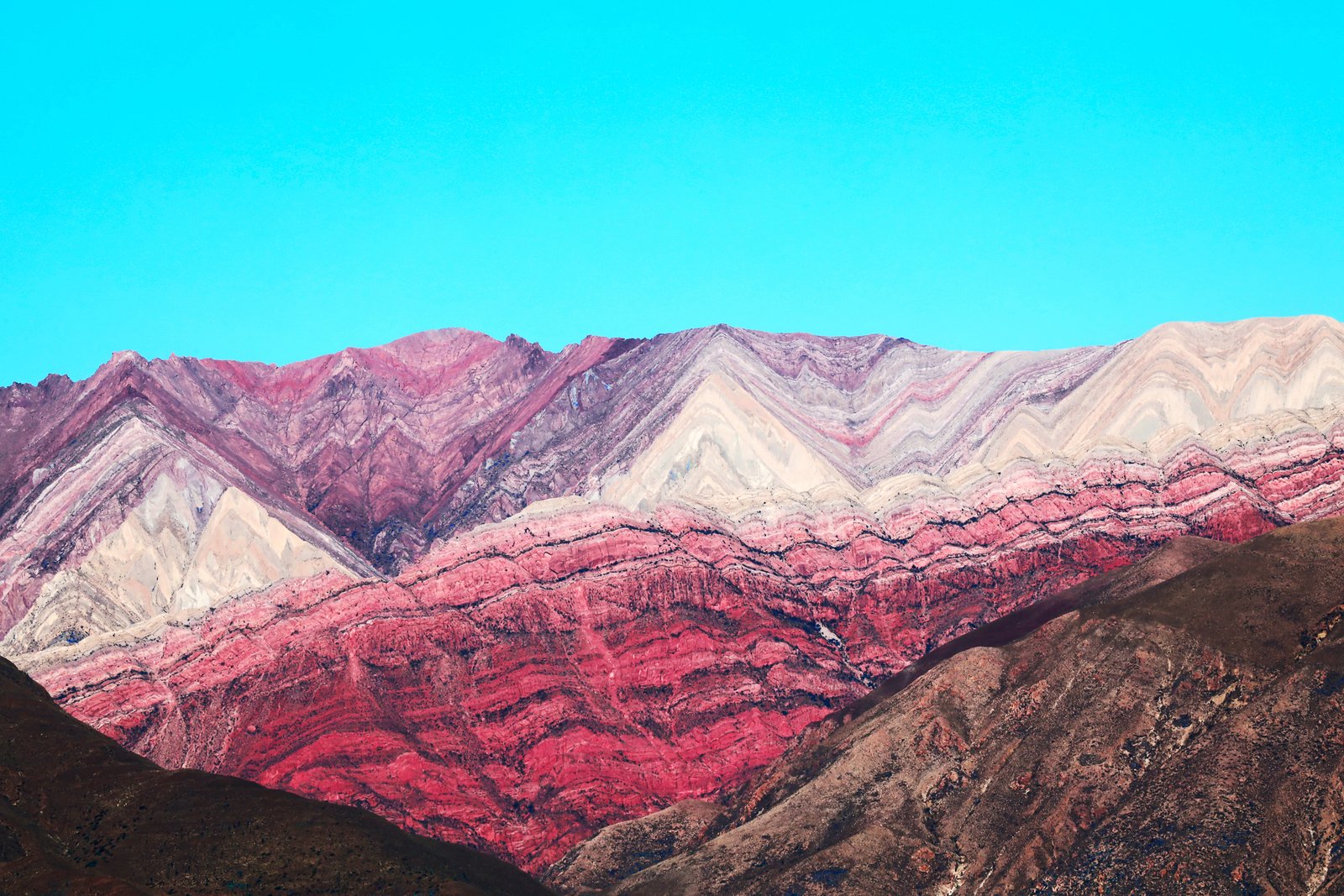
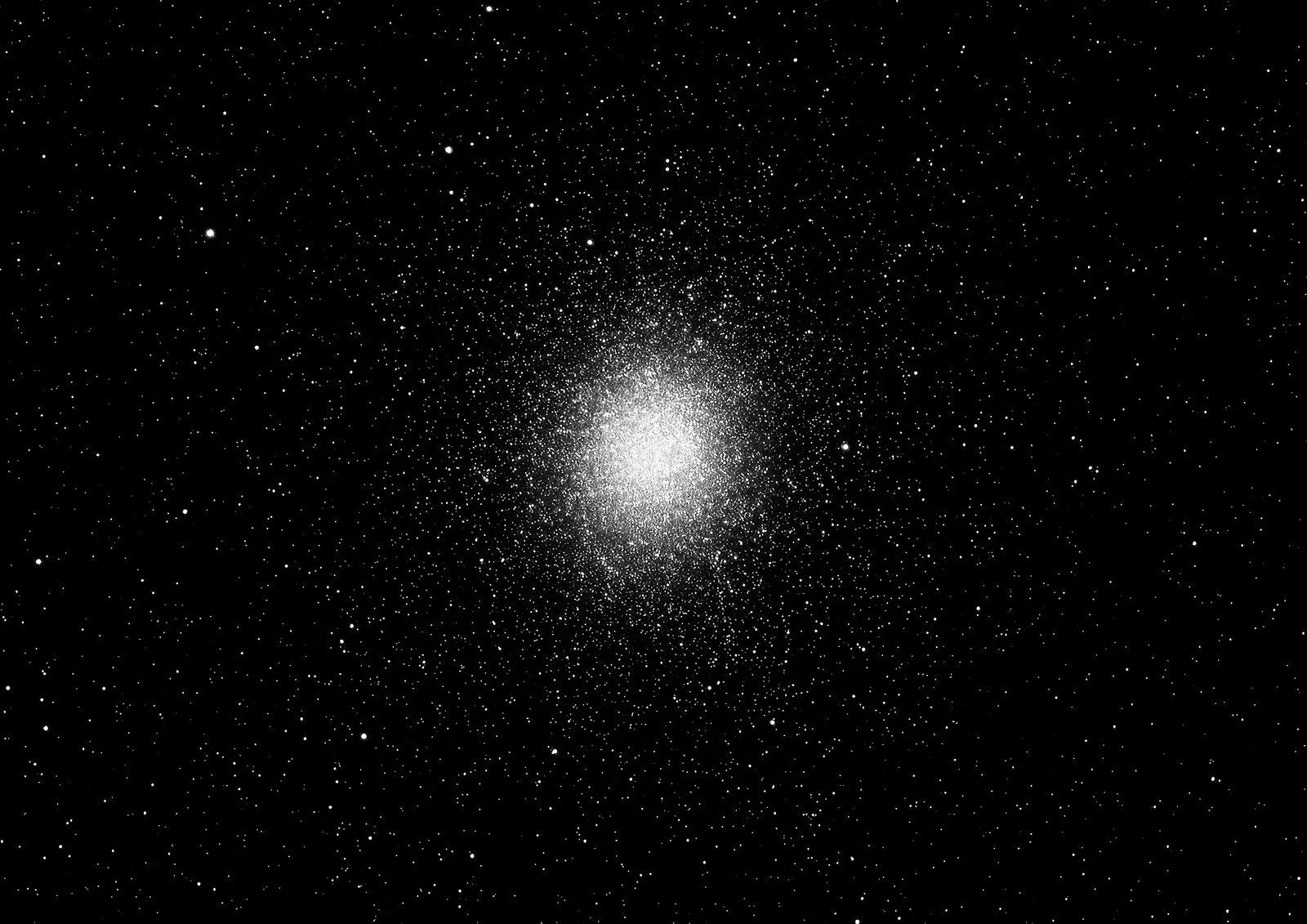
2. Quebrada de Humahuaca & Omega Centauri
Caption: The millions of stacked sediment layers carving through Jujuy's mountain trails mirror the millions of ancient, tightly packed stars swarming within Omega Centauri, each star marking a distinct point in cosmic time.
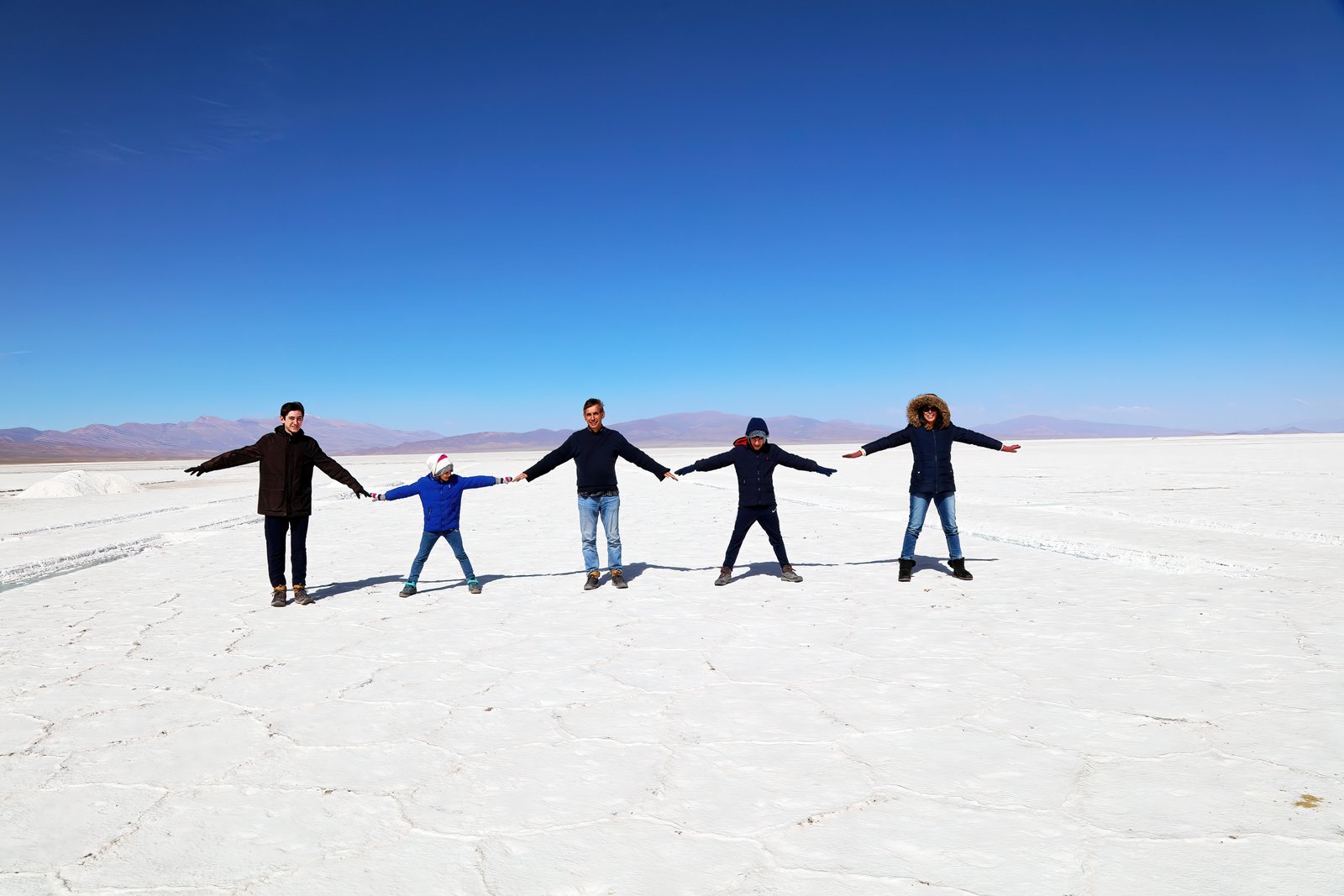
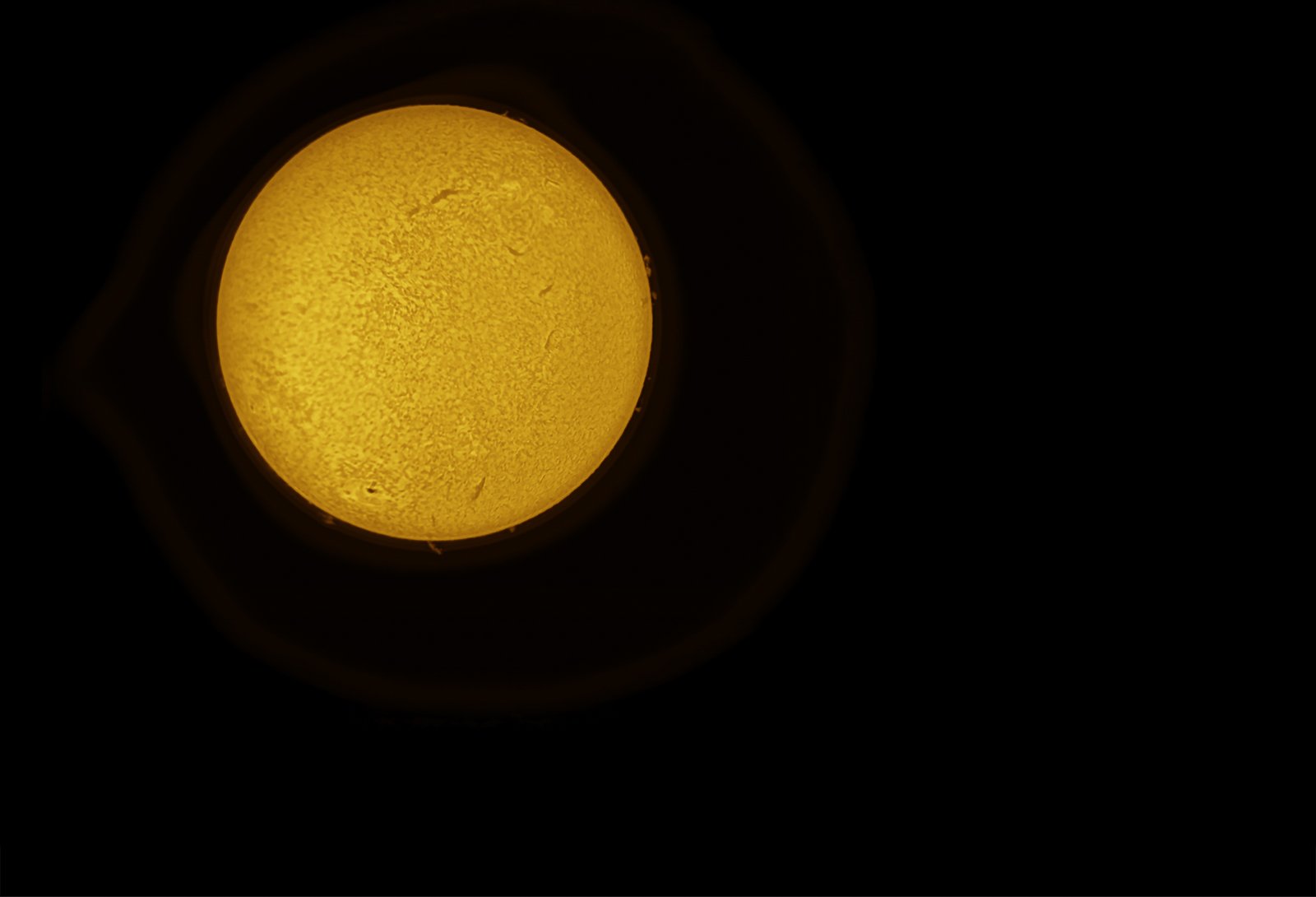
3. Salinas Grandes & The Sun
Caption: The blinding, searing white expanse of the high-altitude salt flats—where earth and sky fuse into pure light—finds its cosmic origin and double in the stark, overwhelming brilliance of the Solar Disc, the ultimate source of all light in our sky.
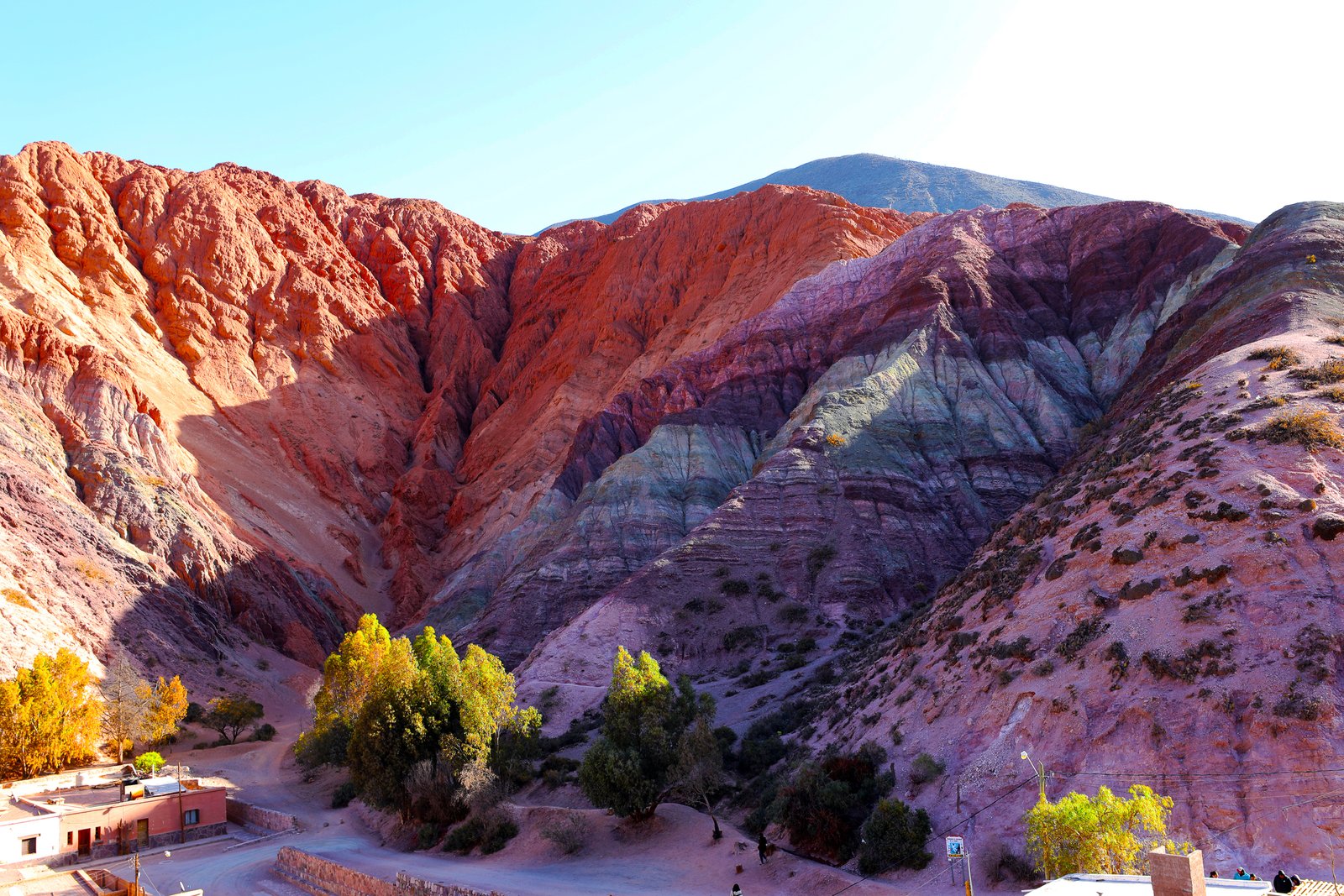
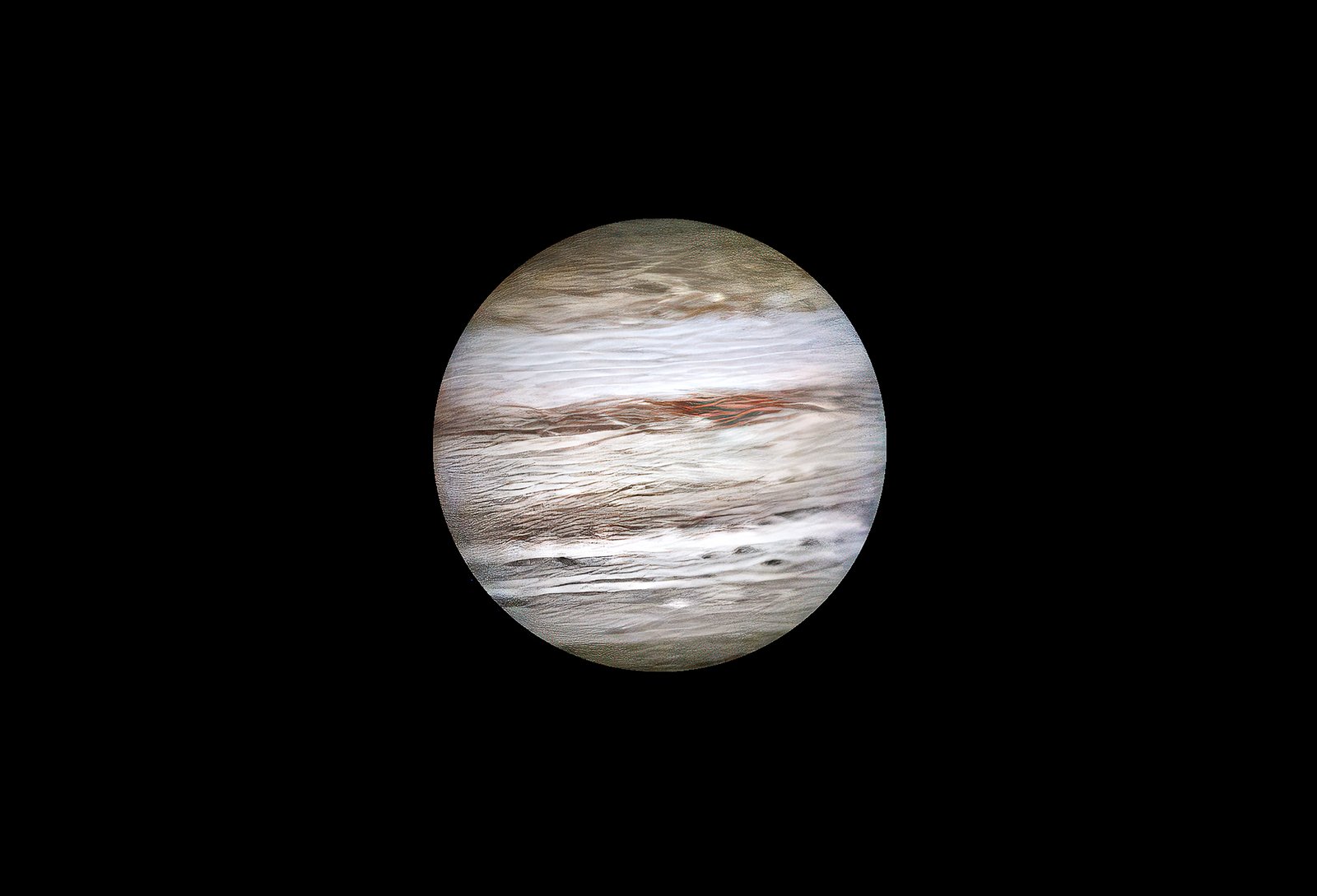
4. Hill of Seven Colours & Jupiter
Caption: The multi-hued, compressed sediment bands of Purmamarca’s famous hills find a fluid counterpart in the colorful, dynamic chemical layers of Jupiter’s atmosphere, where ammonia and sulfur clouds form permanent bands of cosmic history.
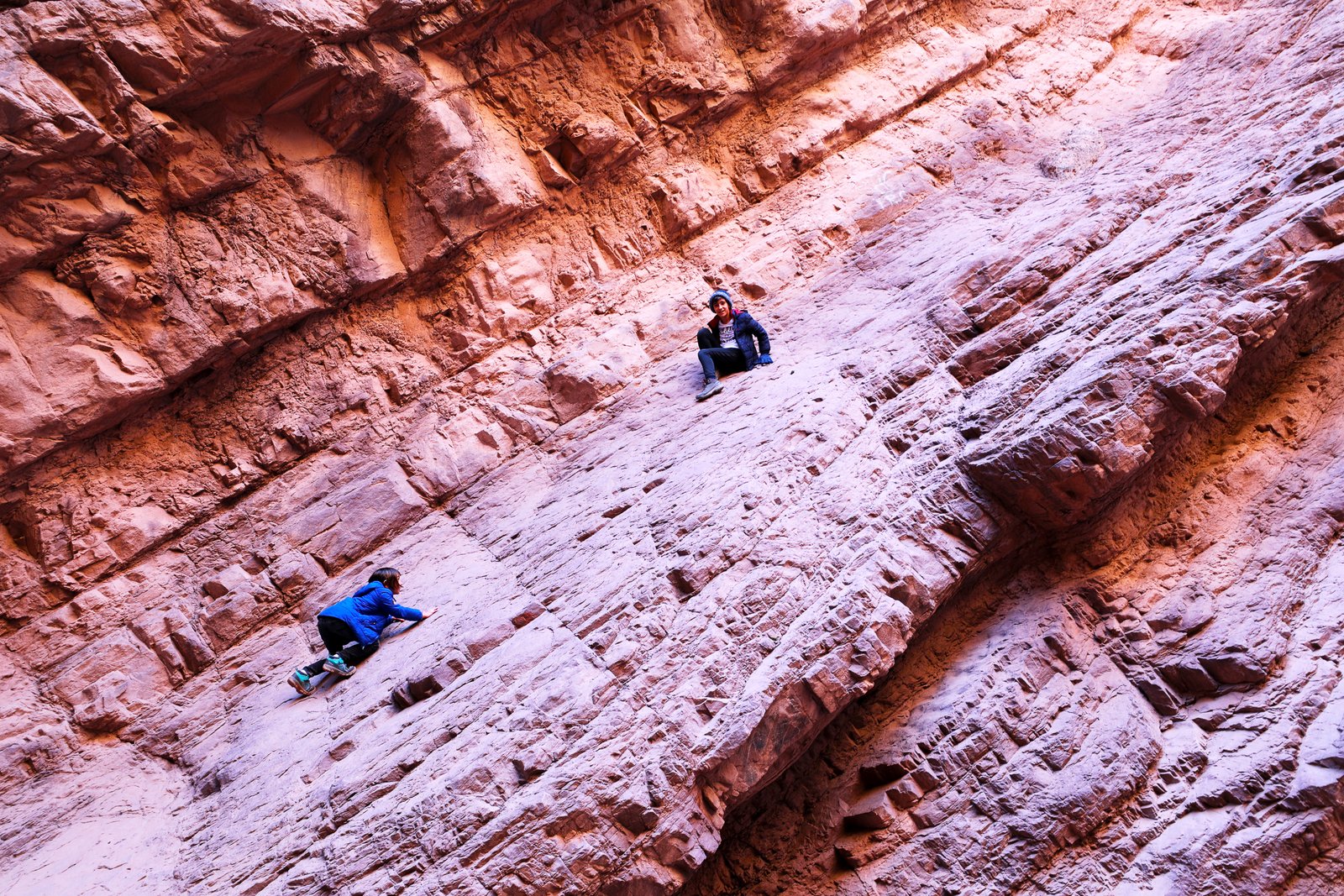
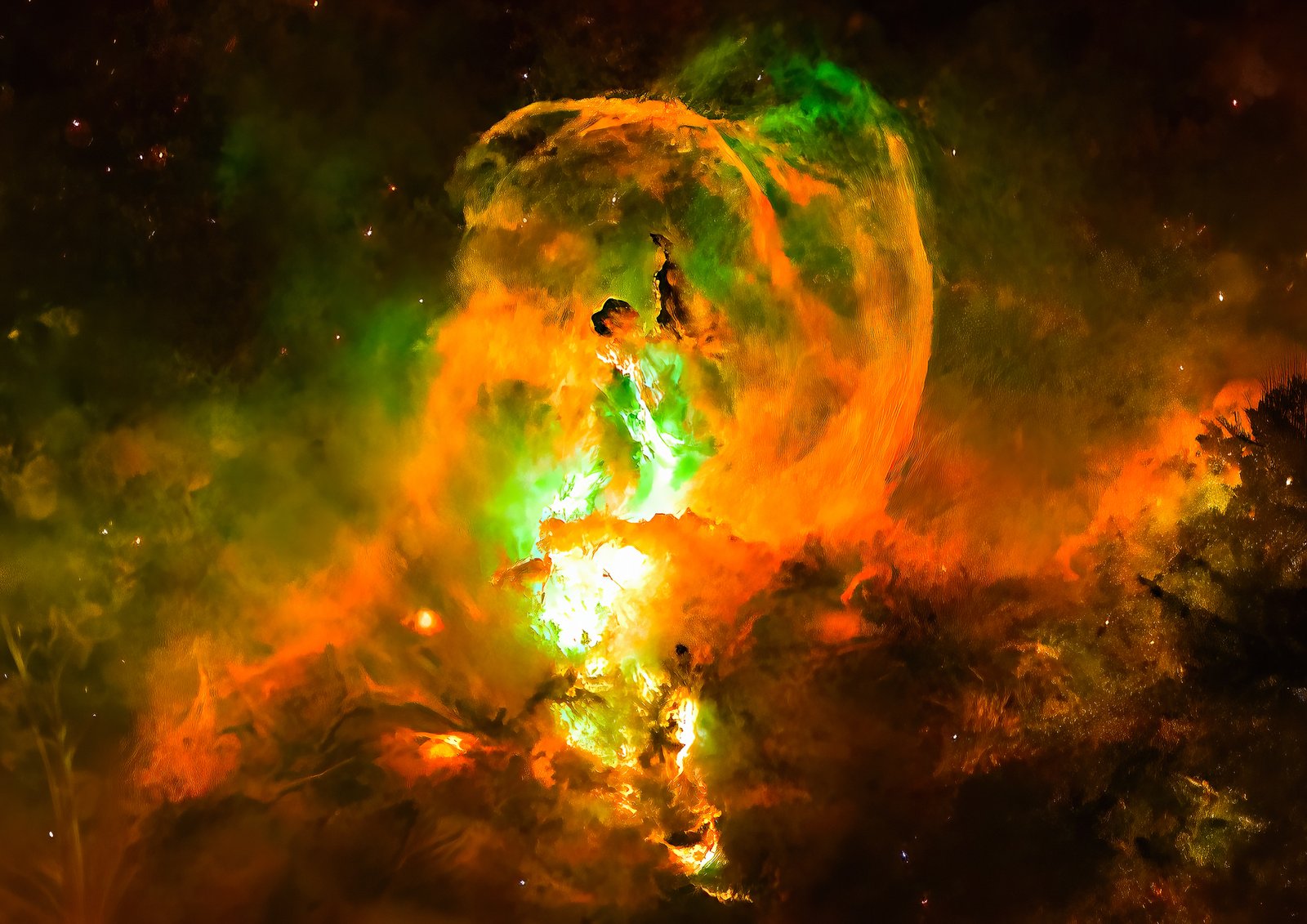
5. Cafayate Ravine & The Statue of Liberty Nebula
Caption: The rich, iron-red rock formations sculpted by Cafayate’s relentless winds are echoed on a cosmic scale by the looping filaments and dramatic gas pillars of the Statue of Liberty Nebula, carved out of an active stellar nursery by fierce, sweeping winds from massive young stars.
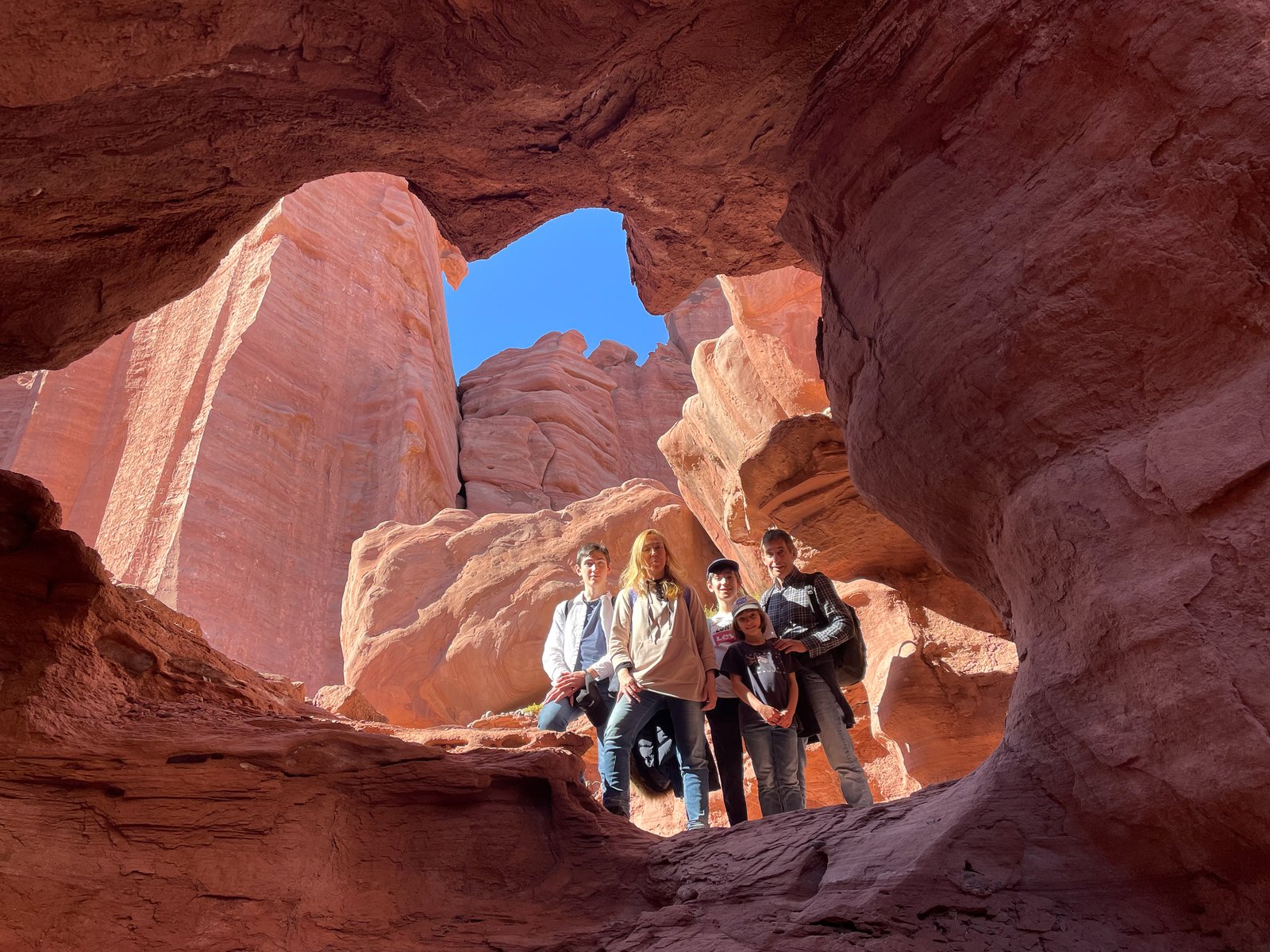
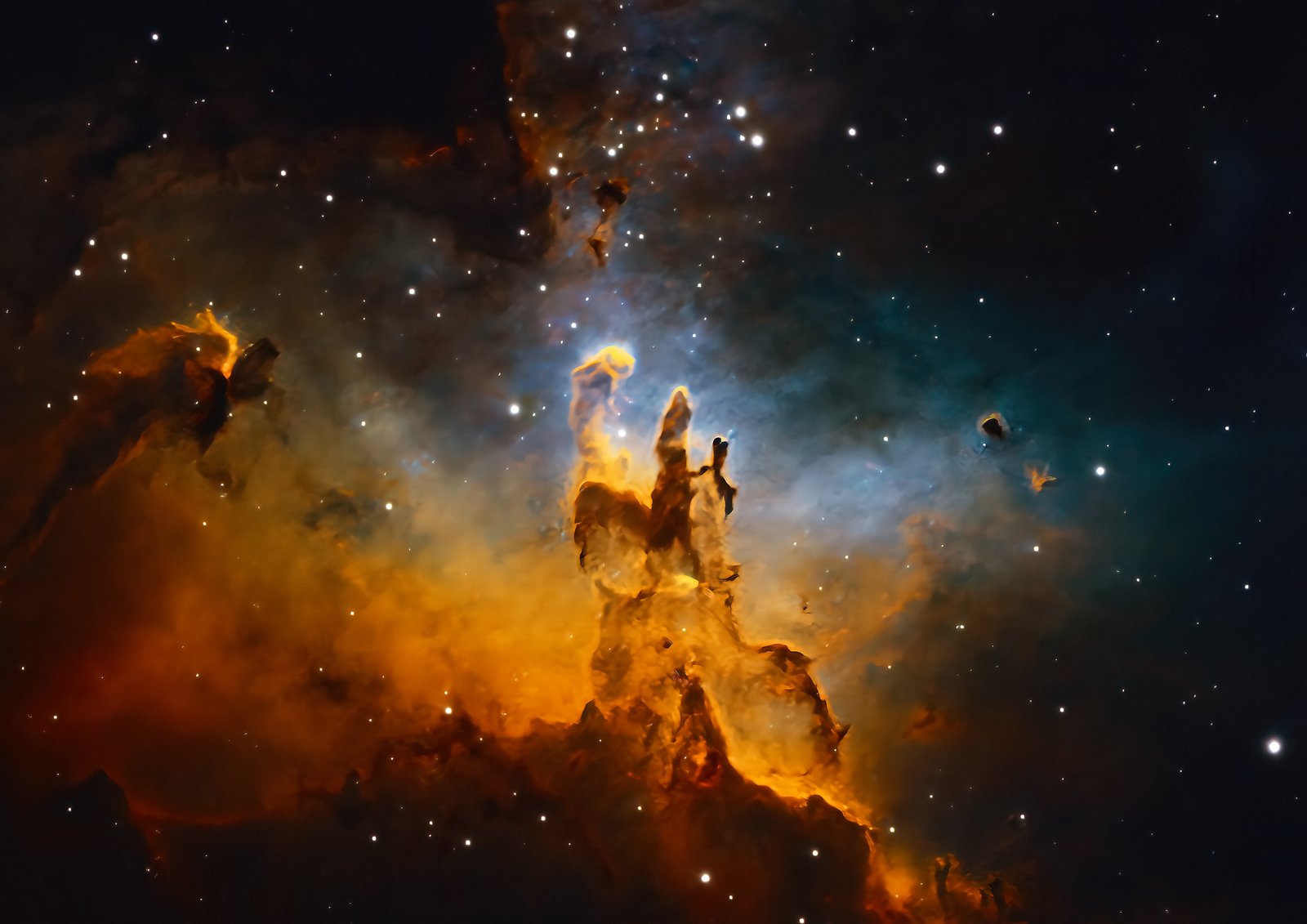
6. Talampaya National Park & The Pillars of Creation
Caption: Argentina’s monumental, vertical sandstone cliffs are reimagined on an interstellar scale within the towering, column-like structures of interstellar dust and gas, where new stars are actively forged inside dark monolithic nurseries.
7. Ischigualasto Provincial Park & The Lunar Surface
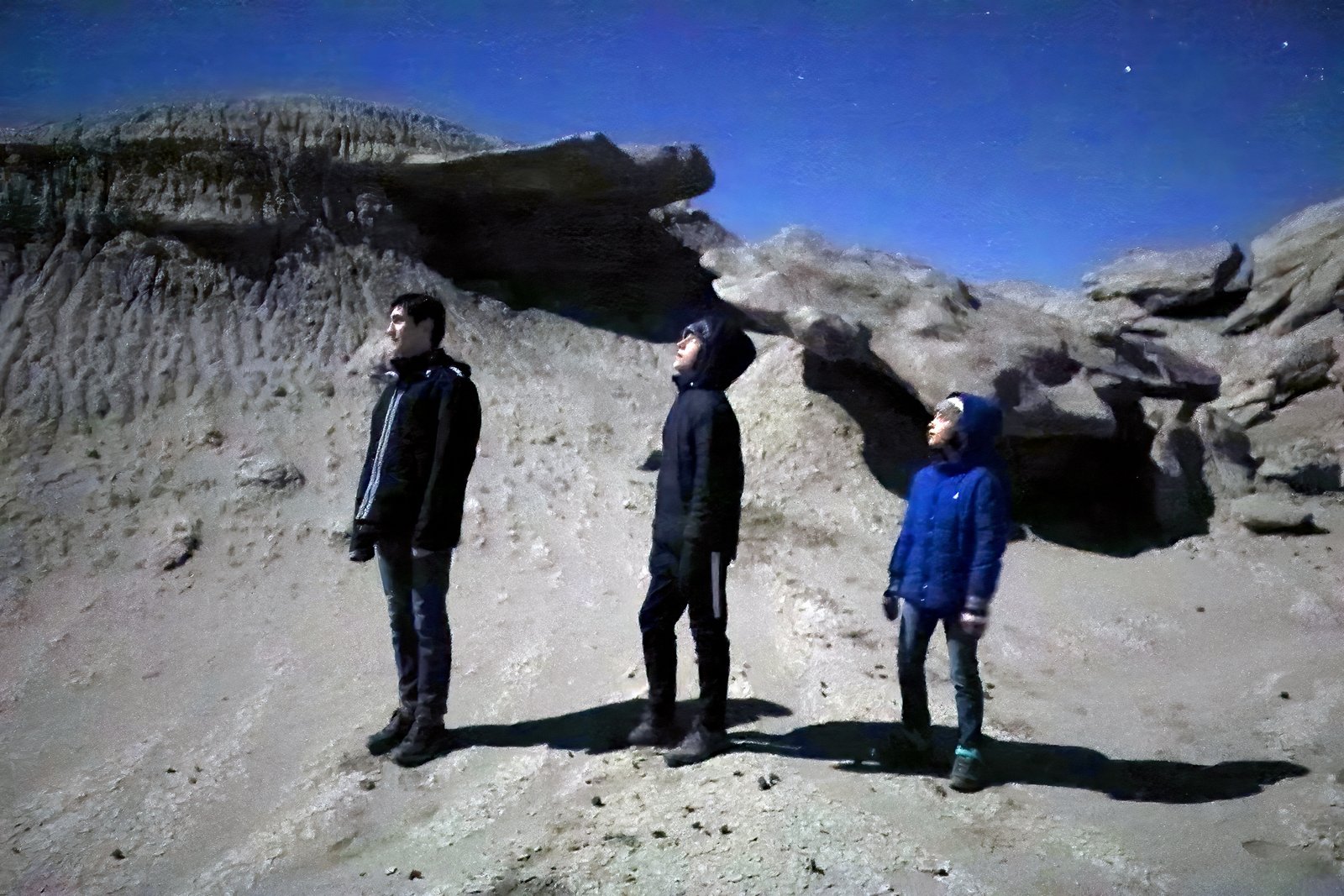
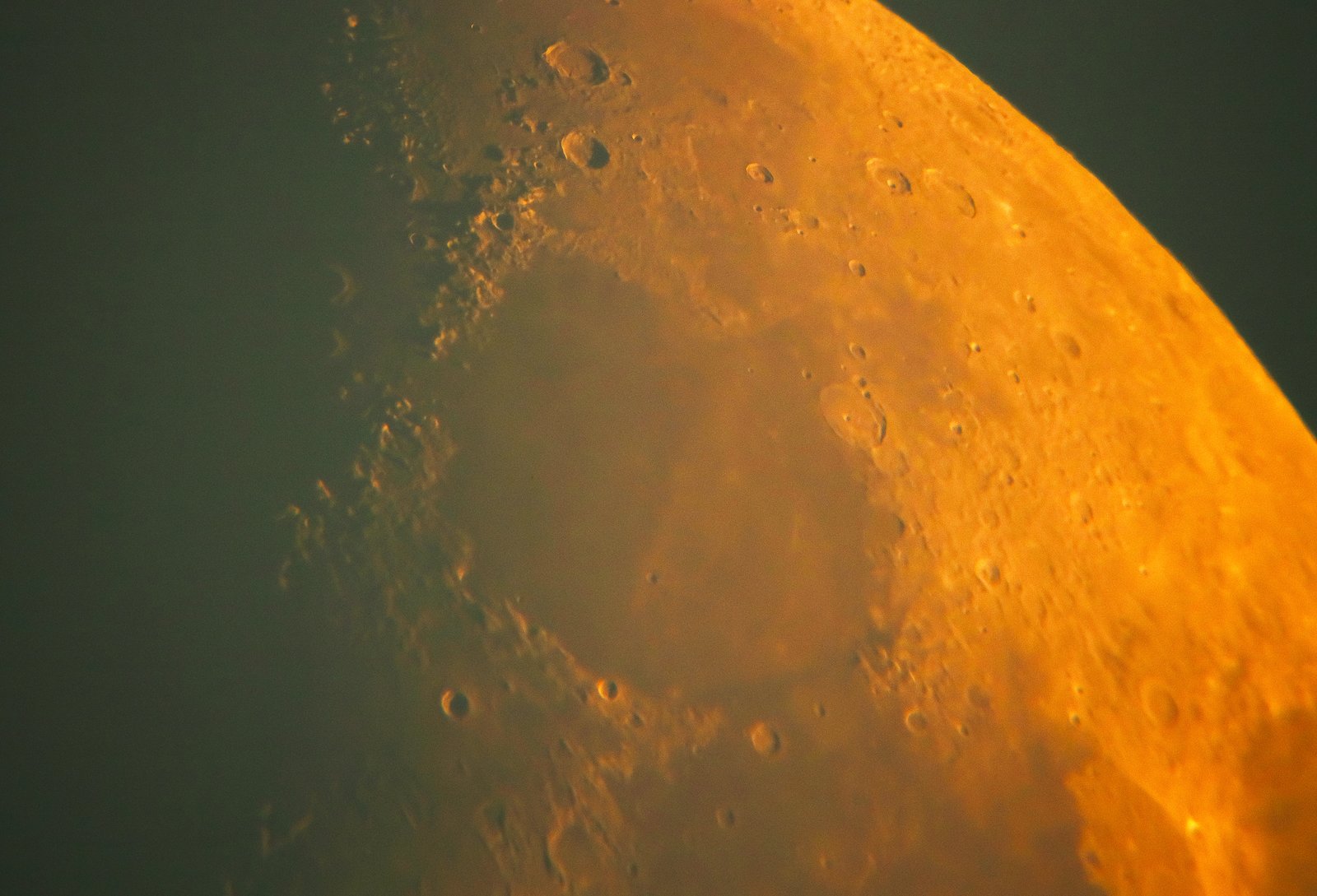
Caption: Walking among the bizarre spherical boulders and grey, barren expanses of Ischigualasto feels identical to exploring the heavily cratered, ancient basaltic plains of the Moon's Sea of Tranquillity.
8. Perito Moreno Glacier & The Tarantula Nebula
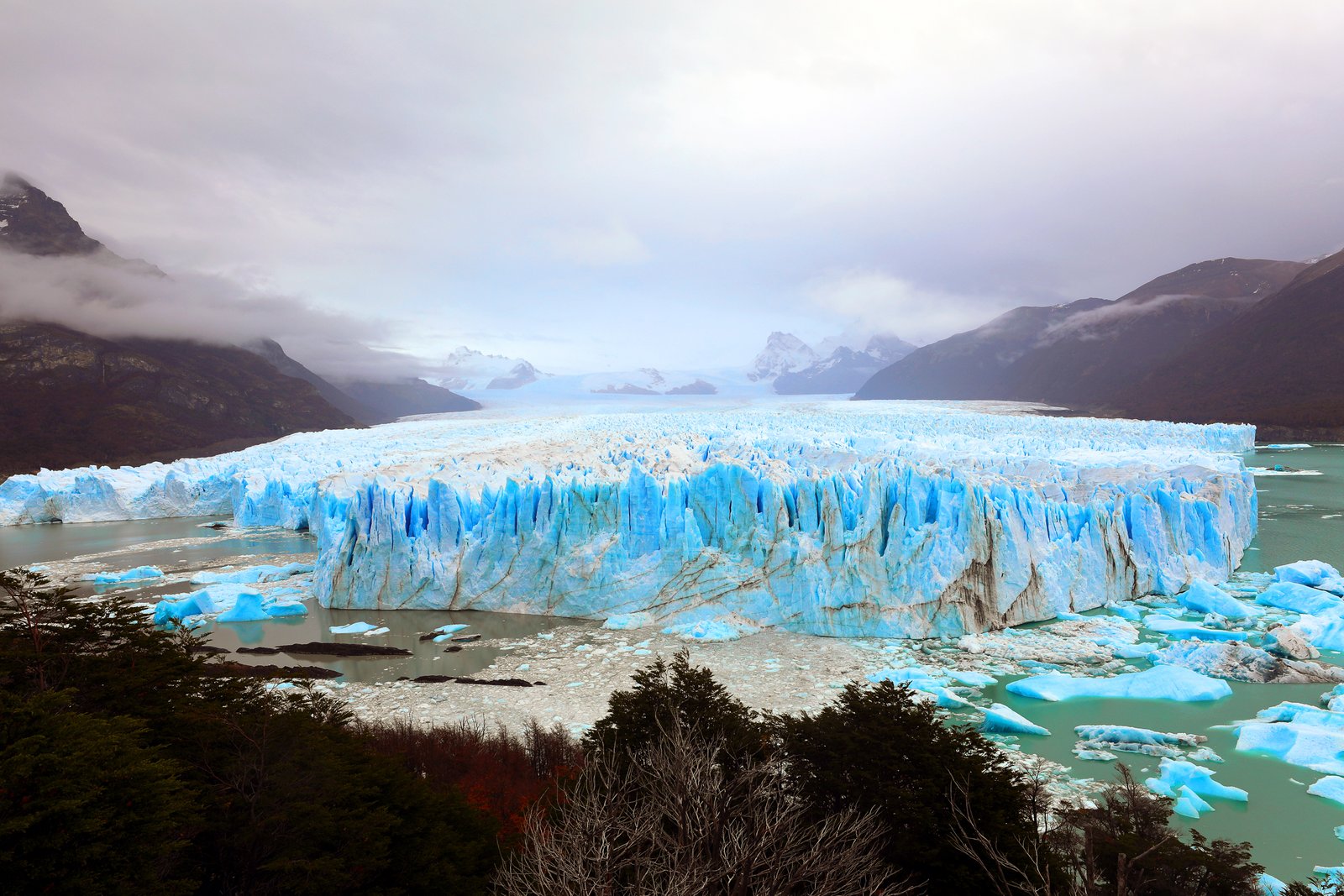
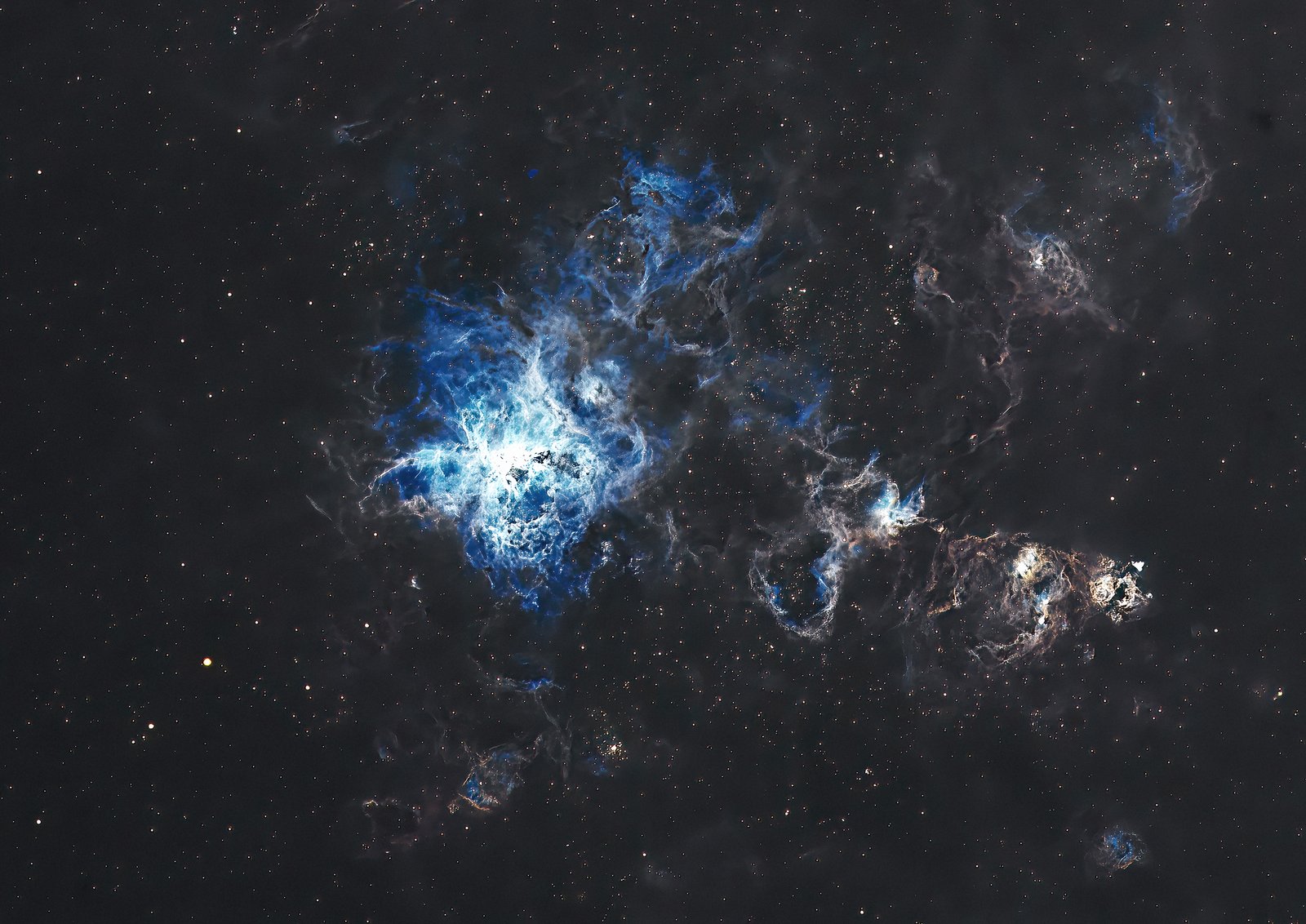
Caption: The chaotic, fracturing crevasses and intense structural pressure of the Patagonian ice fields are perfectly reflected in the violent, tangled filaments of gas weaving through the energetic Tarantula Nebula.
9. Mount Fitz Roy & The Vela Supernova Remnant
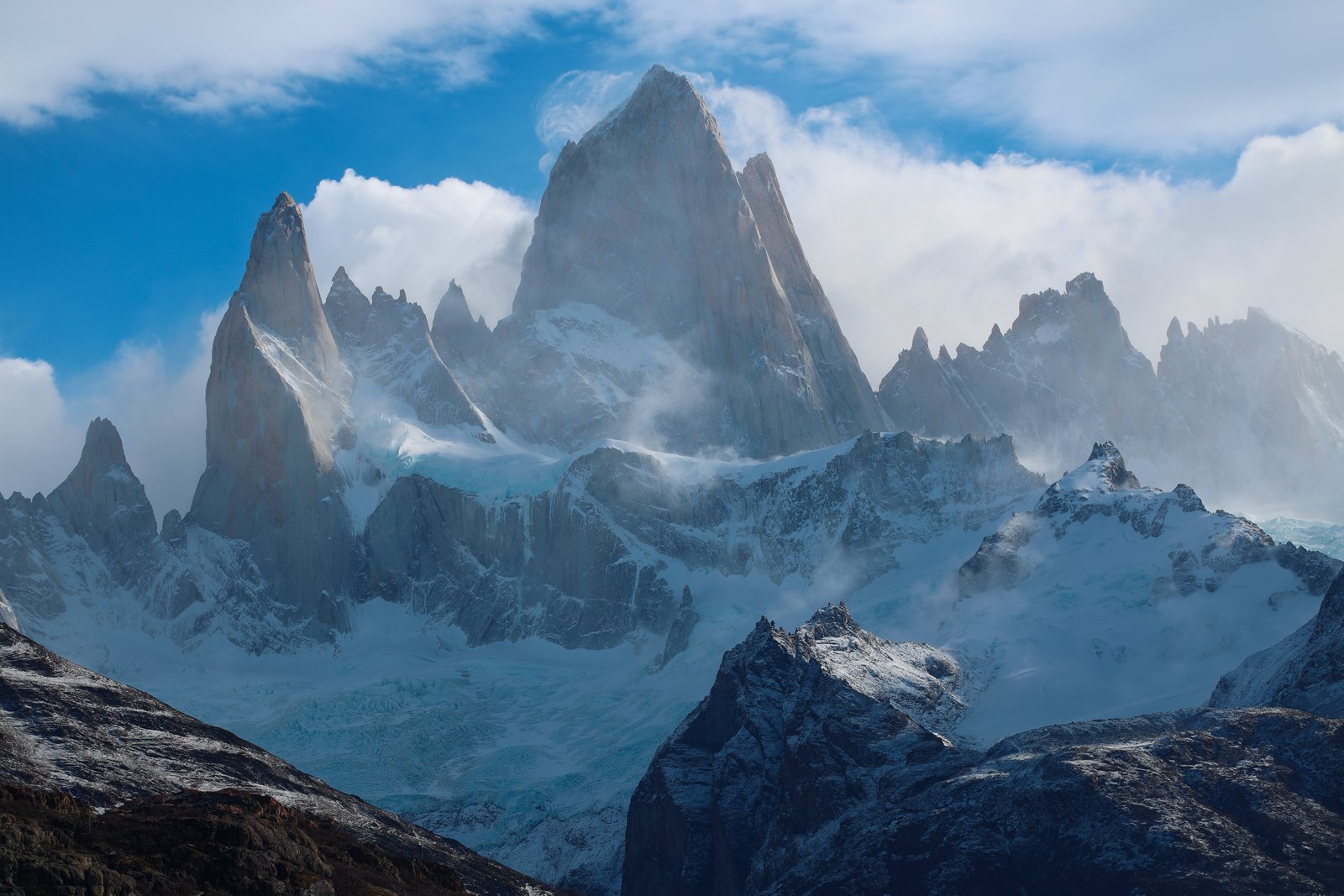
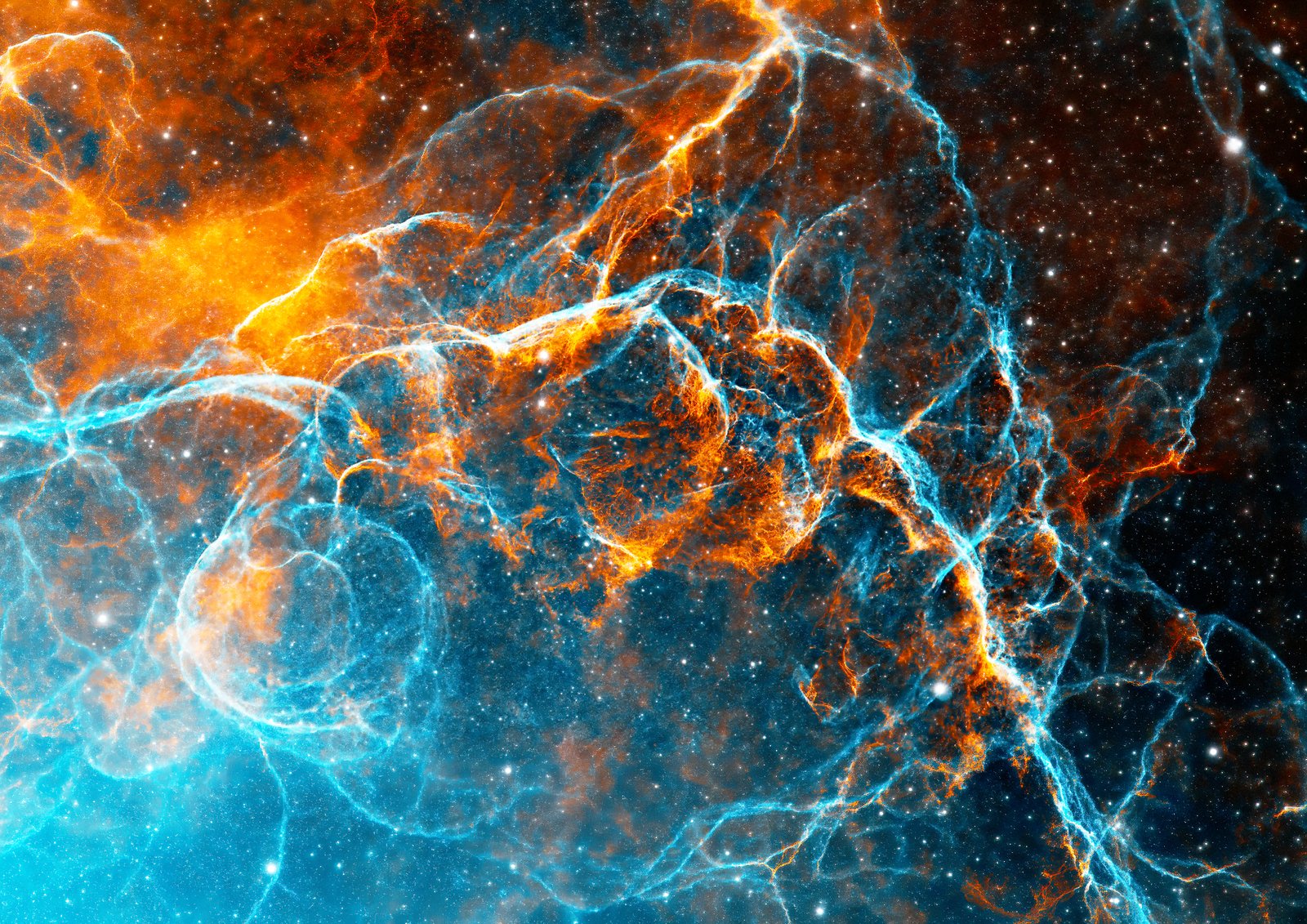
Caption: The sharp, aggressive granite needles of Fitz Roy find their cosmic equivalent in the violently expanding, razor-thin filaments of shockwaves left behind by the exploding star that created the Vela SNR.
10. Los Arrayanes National Park & The War and Peace Nebula
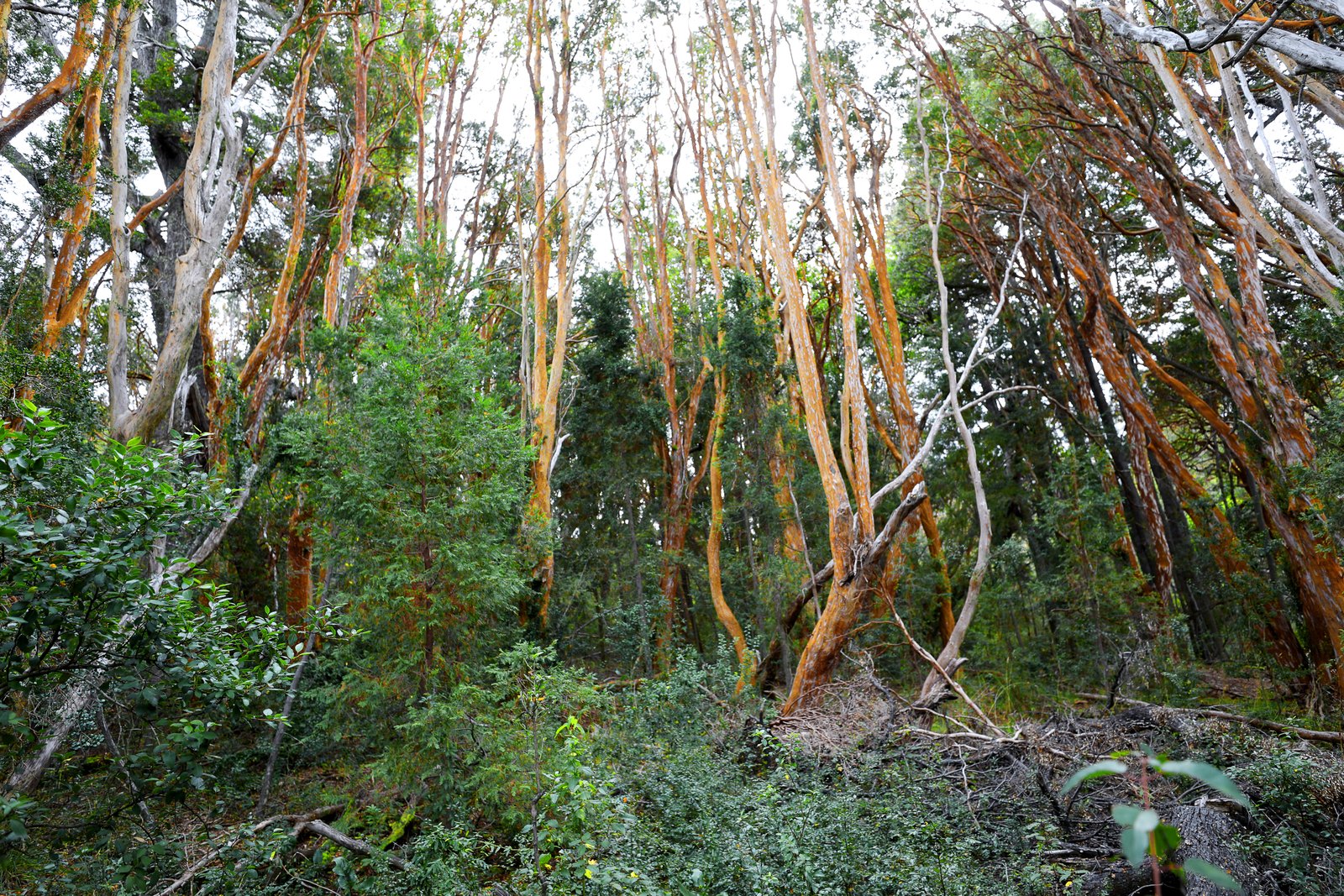
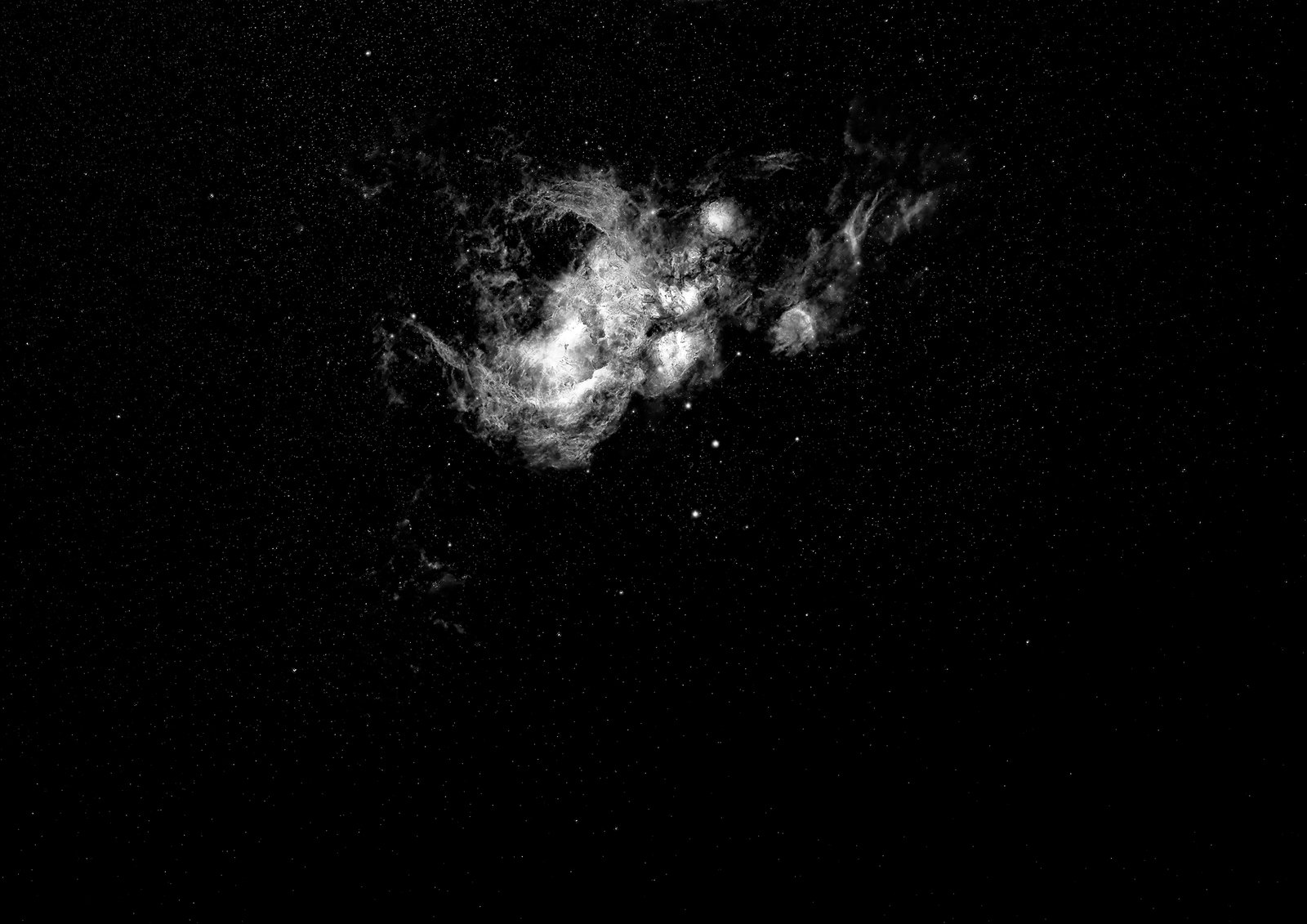
Caption: The complex, interlocking orange branches and organic curves of the unique Arrayan forest mirror the sprawling, intricate web of cosmic gas and glowing dust lanes weaving through the vibrant War and Peace Nebula.
11. Moai-like Pehuén Forests & The Jewel Box Cluster
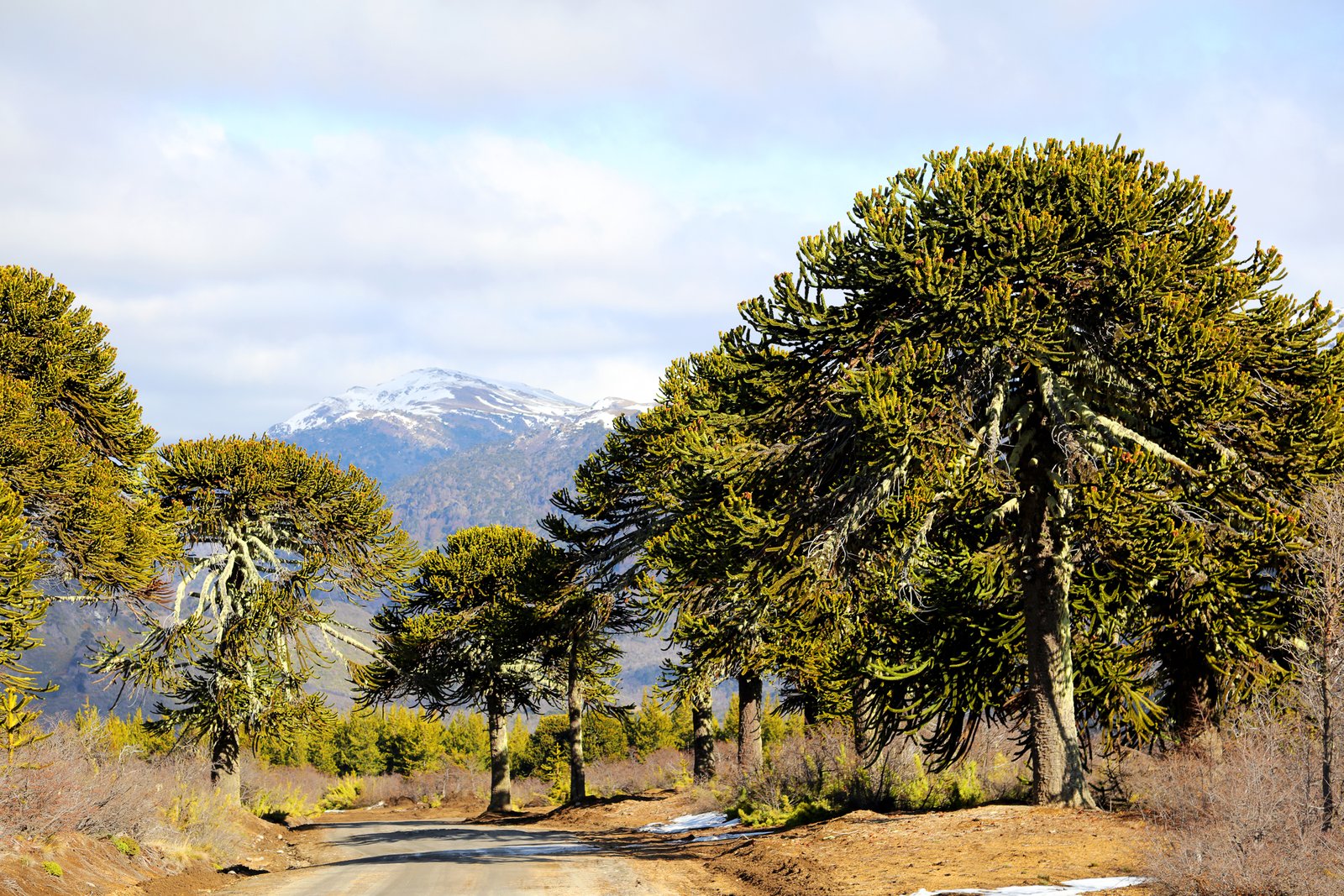
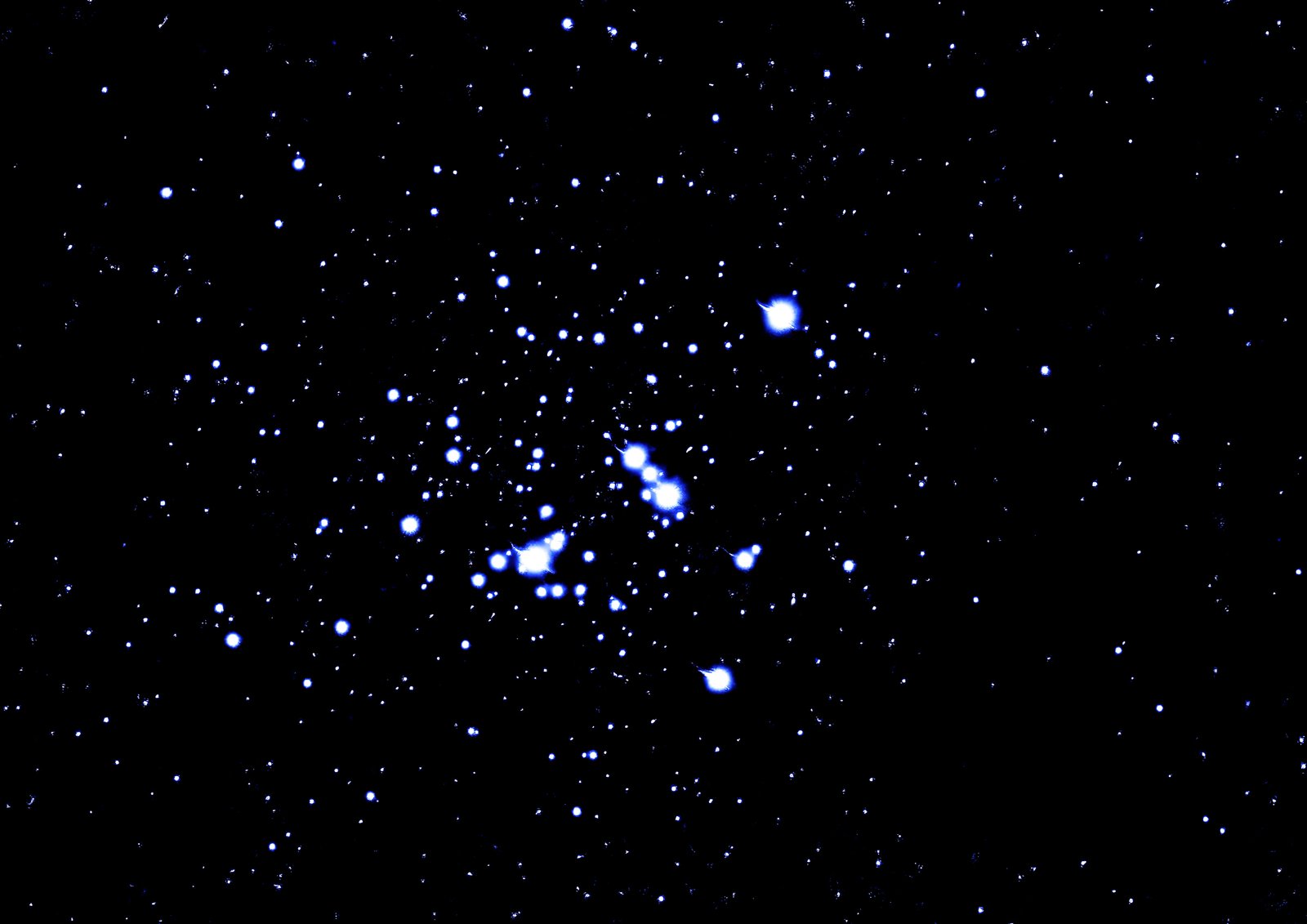
Caption: Just as the prehistoric Pehuén trees stand clustered together like cosmic sentinels on the Andean slopes, the brilliant, multicolored stars of the Jewel Box Cluster flash like glittering geometric tokens in the deep southern sky.
12. Yungas Cloud Forests & The Coalsack Dark Nebula
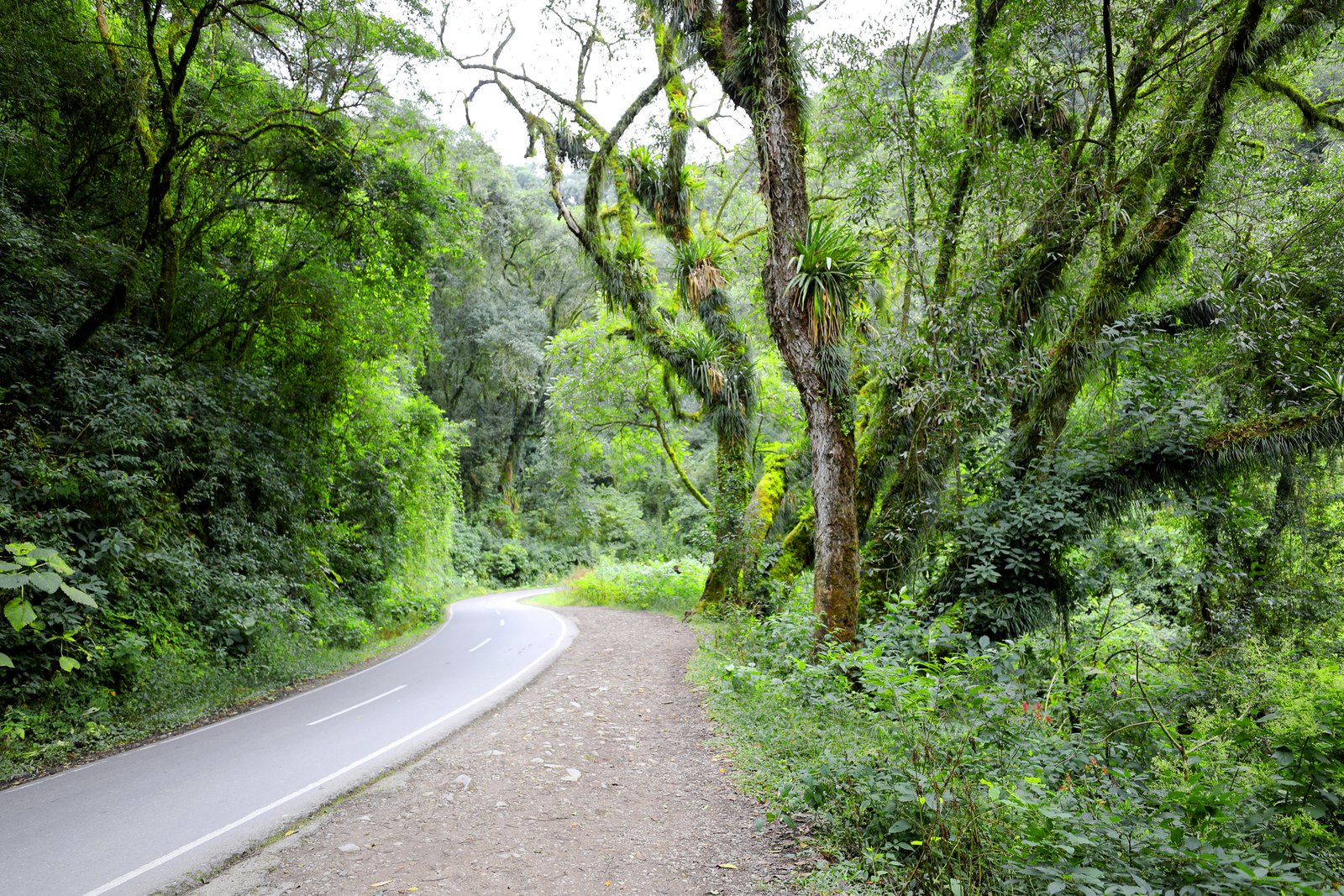
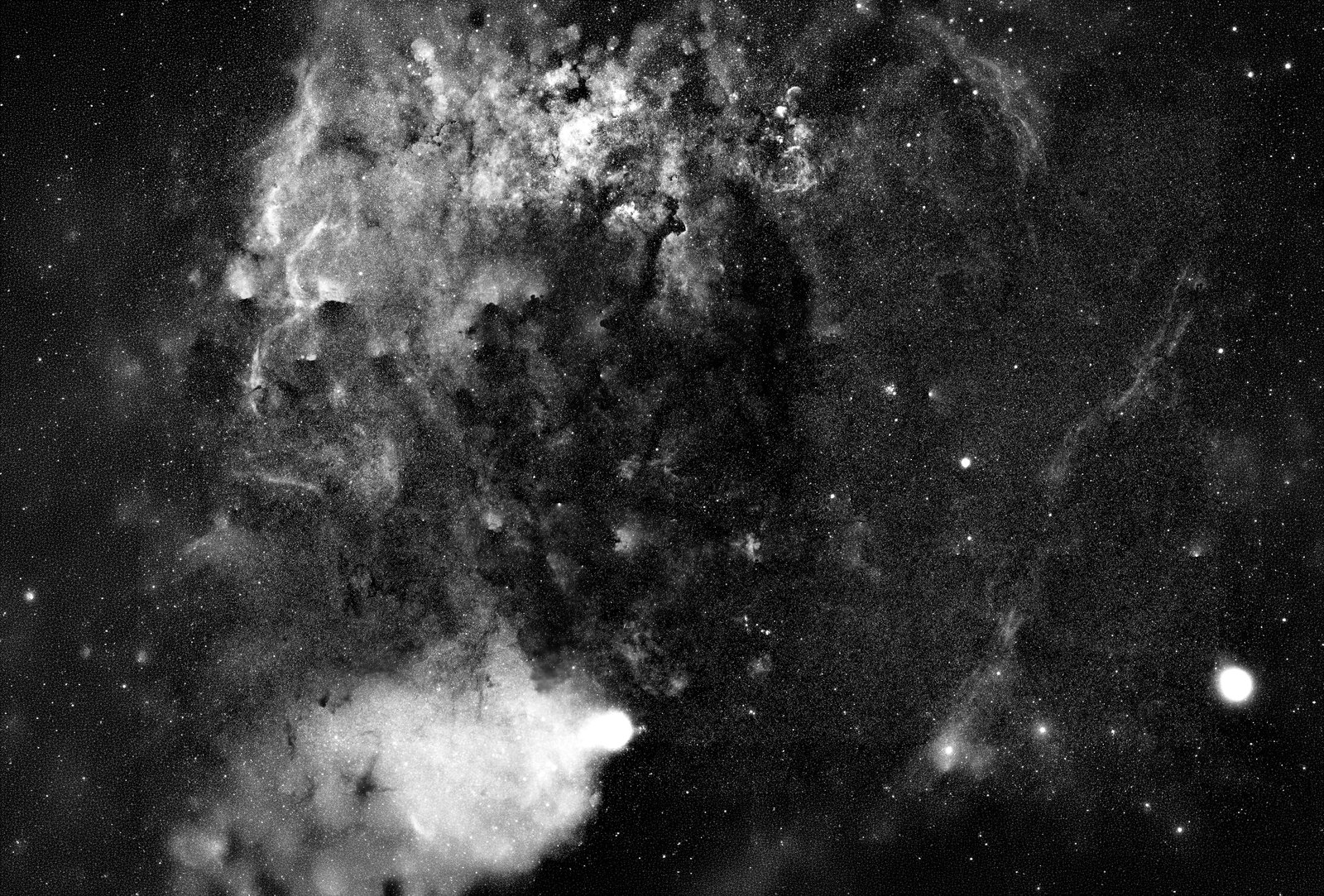
Caption: The dense, moisture-laden mists of the Yungas that blot out the landscape find their ultimate cosmic twin in the Coalsack, a dense cloud of cold interstellar dust that completely obscures the brilliant starfields of the Milky Way behind it.
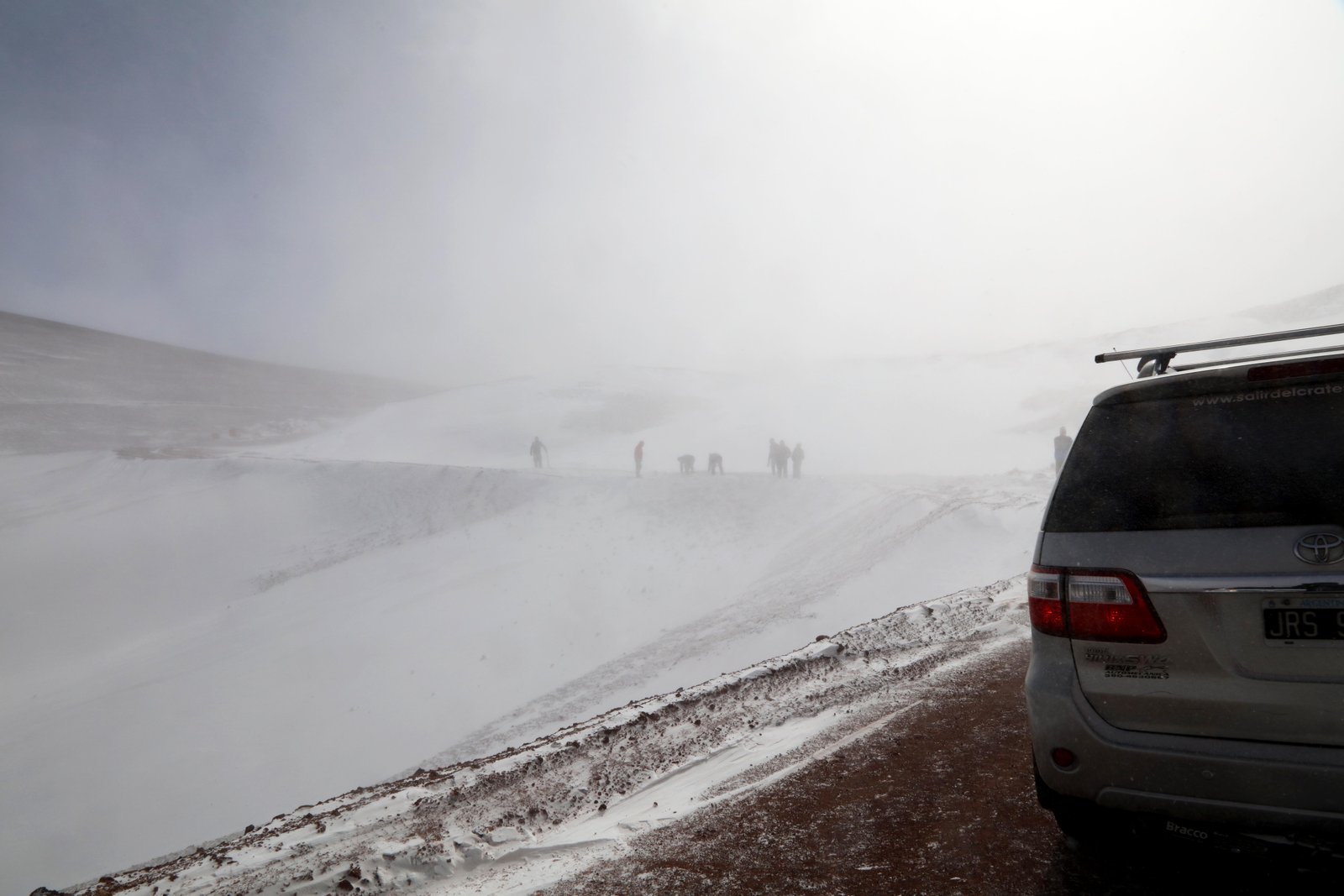
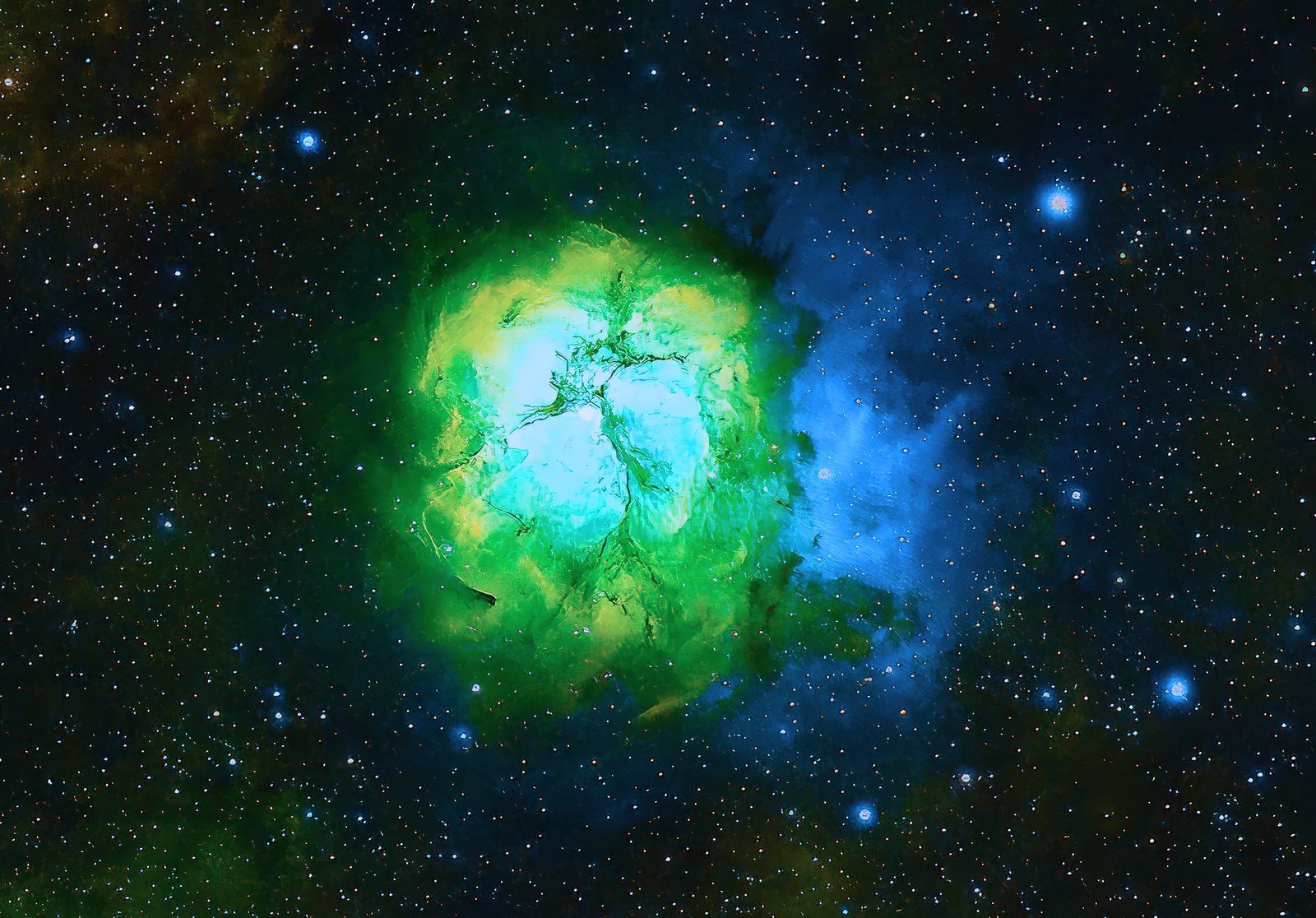
13. The Helpful Spirit of Argentina & The Trifid Nebula
Caption: The raw, unscripted moments on the frozen road to Laguna Brava—where unexpected obstacles are met with immediate, hands-on community effort to forge a path forward—find their beautiful cosmic twin in the Trifid Nebula. Just as those people worked together to cut through the heavy alpine snow blocking our journey, a fiery emission nebula and a cool reflection nebula seamlessly interface to break through dark, dense walls of interstellar dust, allowing the light of newborn stars to finally break free.
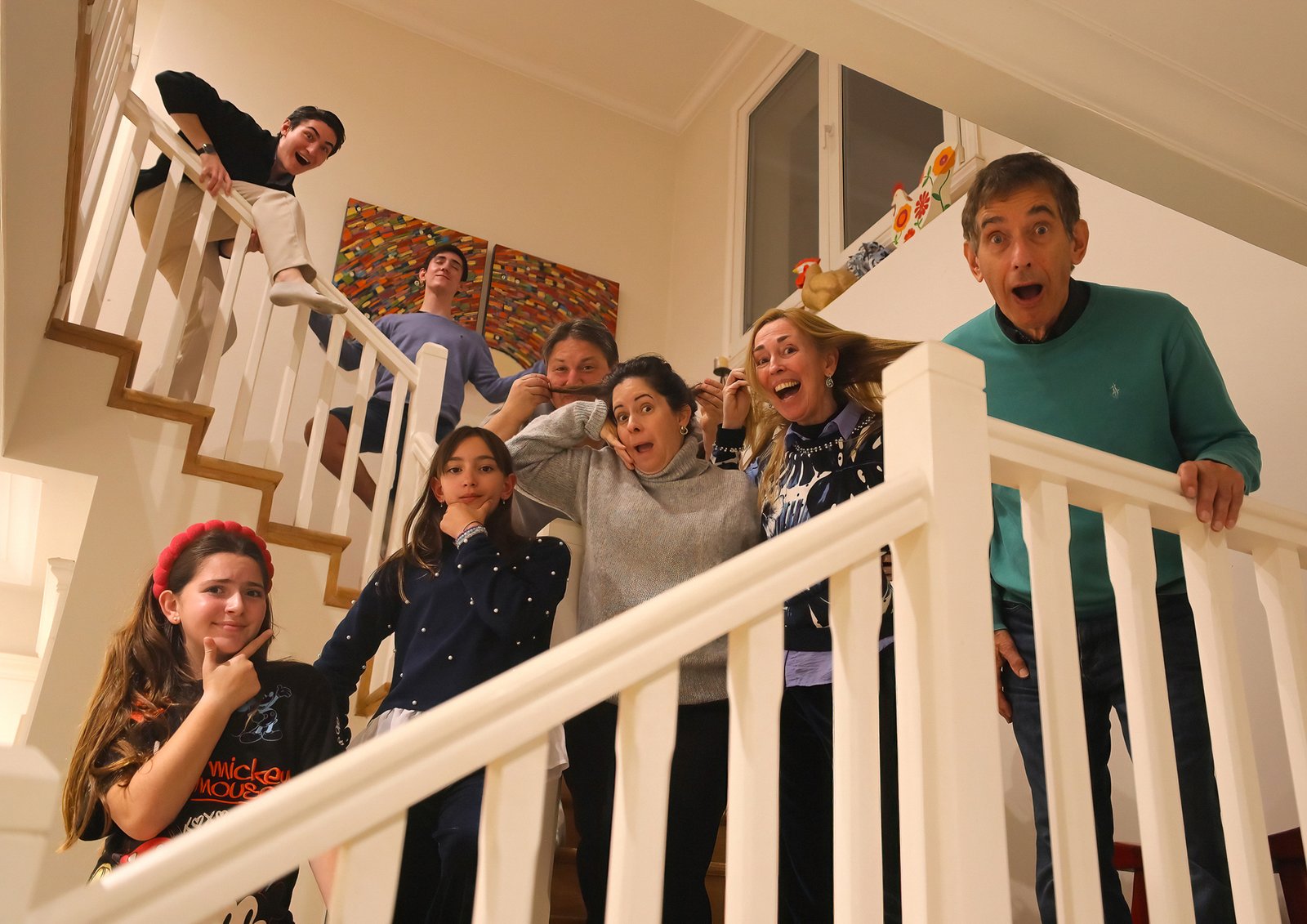
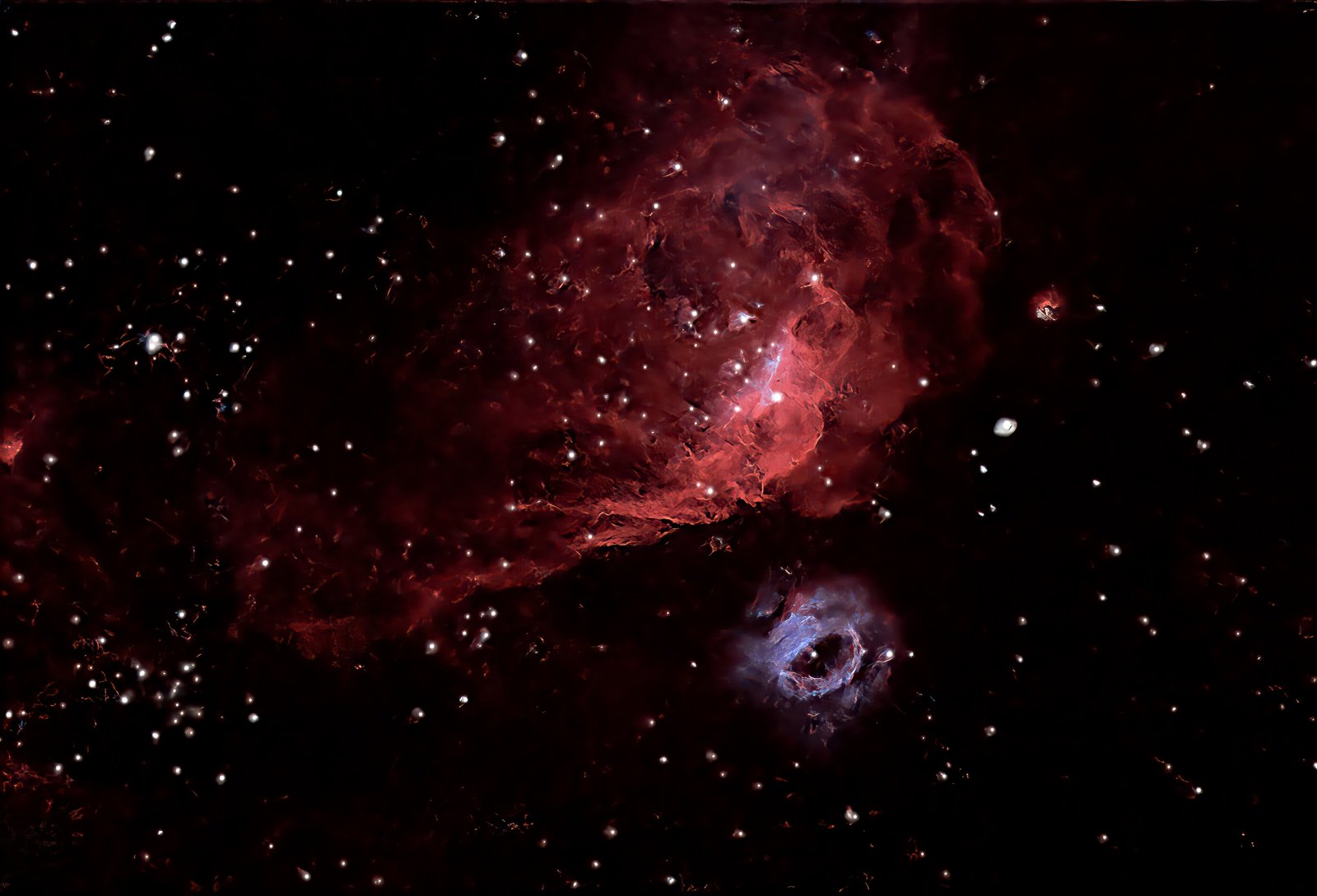
14. A Shared Journey & The Cosmic Reef
Caption: Our families standing together on the stairs find a breathtaking visual parallel in the Cosmic Reef, where the massive red emission nebula NGC 2014 and its smaller blue neighbor NGC 2020 sit side-by-side in the cosmic ocean. Though distinct in character and color, they exist in perfect, beautiful proximity, mirroring how true friendship anchors and brightens our separate lives.