
Artificial Light at Night.....
We are rapidly losing our empirical and cultural connection to the universe. For my astrophotography website, astroanderson.com, I have lived in both northern and southern hemispheres to capture photons that have travelled millions of years from distant nebulae and galaxies. However, an escalating global phenomenon—artificial light at night (ALAN)—is creating an atmospheric veil that threatens both cutting-edge observational astronomy and our shared human heritage.
The Threat to the Earth’s Darkest Observatories
The Atacama Desert in Chile is globally recognized by astrophysicists as a premier site for ground-based astronomy. Its hyper-arid climate minimizes atmospheric water vapor, while its high altitude reduces atmospheric distortion, providing an exceptionally low baseline of natural skyglow. This pristine environment is exactly where we can still witness the southern sky in its full glory, untouched by urban sprawl.
Yet, even this remote desert is no longer immune to human encroachment. Skyglow from expanding urban centres, industrial mining operations, and unshielded LED highway infrastructure is actively intruding upon these pristine horizons. When artificial light scatters off atmospheric particles, it increases the background contrast of the night sky, effectively blinding telescopes to the faintest, most distant cosmic structures.
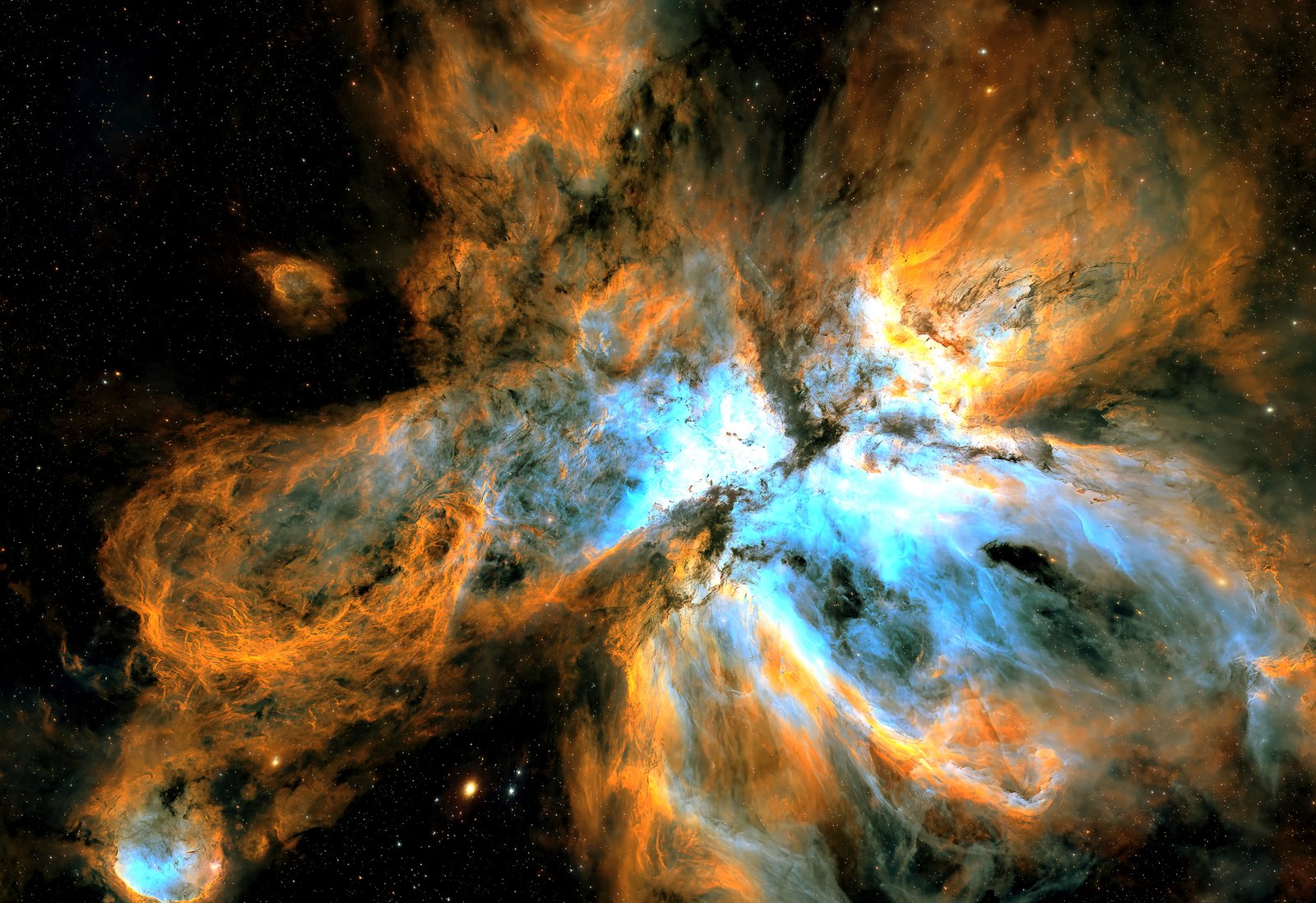
Capturing the vibrant, churning gases of the Carina Nebula requires the ultra-dark skies of the Southern Hemisphere—a view currently threatened by encroaching artificial light.
A Witness to the Anthropocene at Paranal
I have twice visited the Paranal Observatory located in the Atacama Desert, Chile.
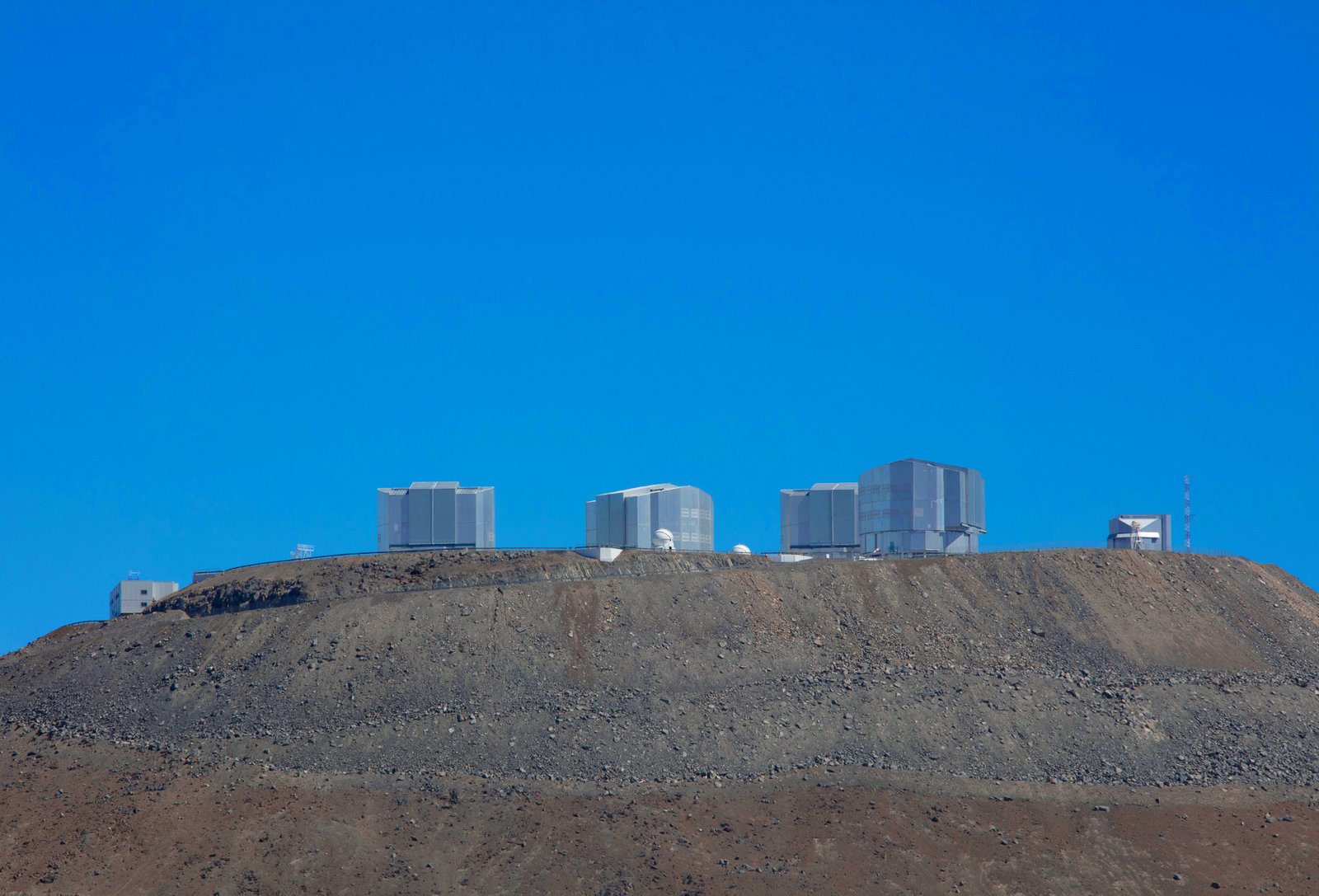
The Paranal Observatory is operated by the European Southern Observatory (ESO) that houses the Very Large Telescope (VLT). This site represents the absolute pinnacle of human optical engineering.
‘Pop culture’ enthusiasts might recognize the observatory’s award-winning Residencia. This stark, subterranean architectural marvel served as the dramatic desert oasis and villain’s lair in the James Bond film Quantum of Solace. Seeing this brilliant structure carved into the barren landscape under a canopy of stars is unforgettable.
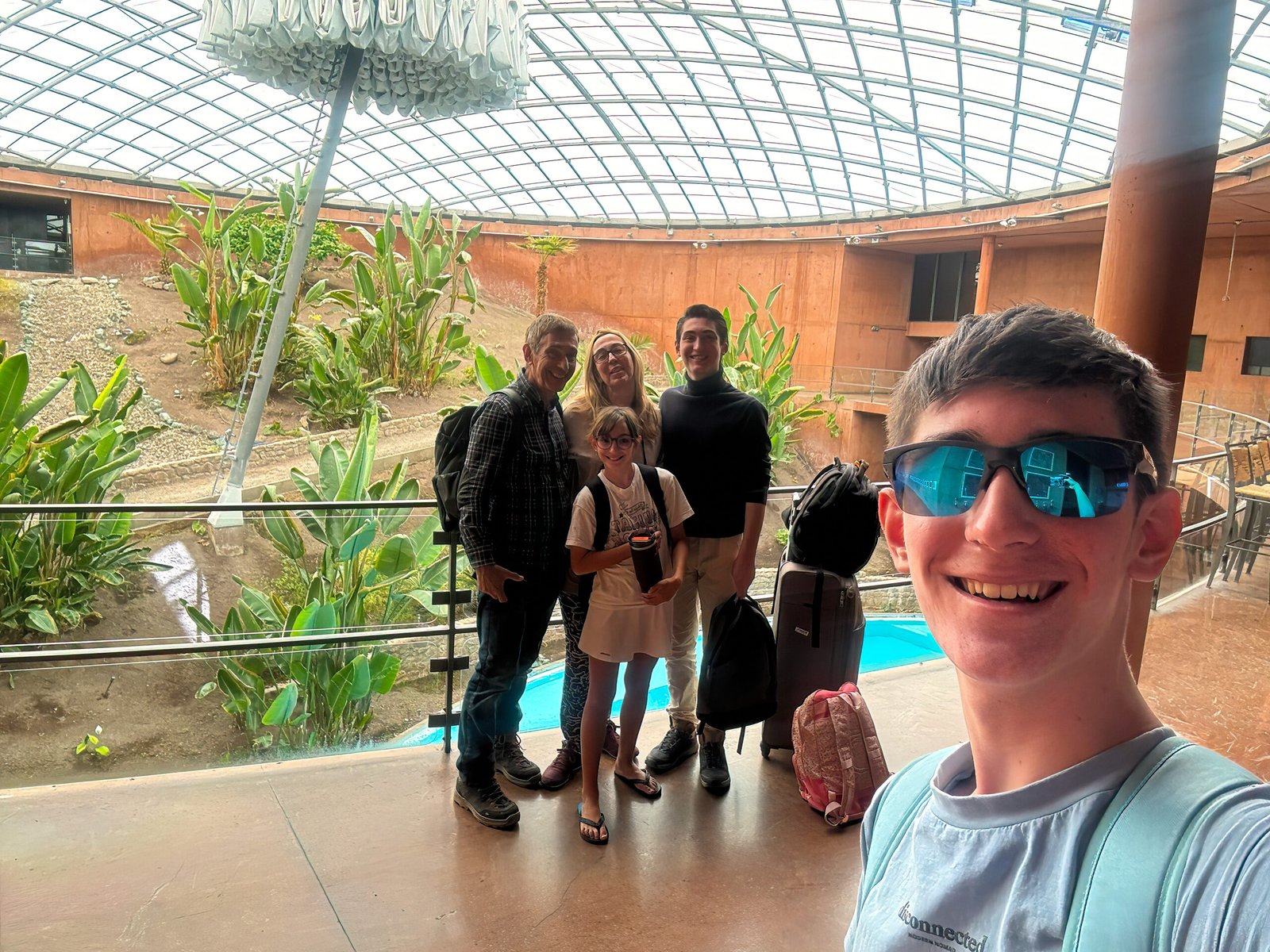
Me and my family inside the subterranean Residencia at Paranal—a location where cinema history meets cutting-edge astrophysics.
But behind the cinematic backdrop lies a troubling scientific reality. Photometric data collected by researchers shows a measurable, upward trend in artificial light dome intrusion on Paranal’s horizons.
To combat atmospheric turbulence, astronomers pierce the darkness with artificial stars. Seeing the powerful laser guide stars shooting straight out from the telescopes into the heart of the galaxy is a visceral reminder of our quest for knowledge. Yet, if sky brightness continues to increase, it will severely degrade the signal-to-noise ratio of the VLT’s instruments, limiting our ability to study dark energy, exoplanet atmospheres, and primordial galaxies.
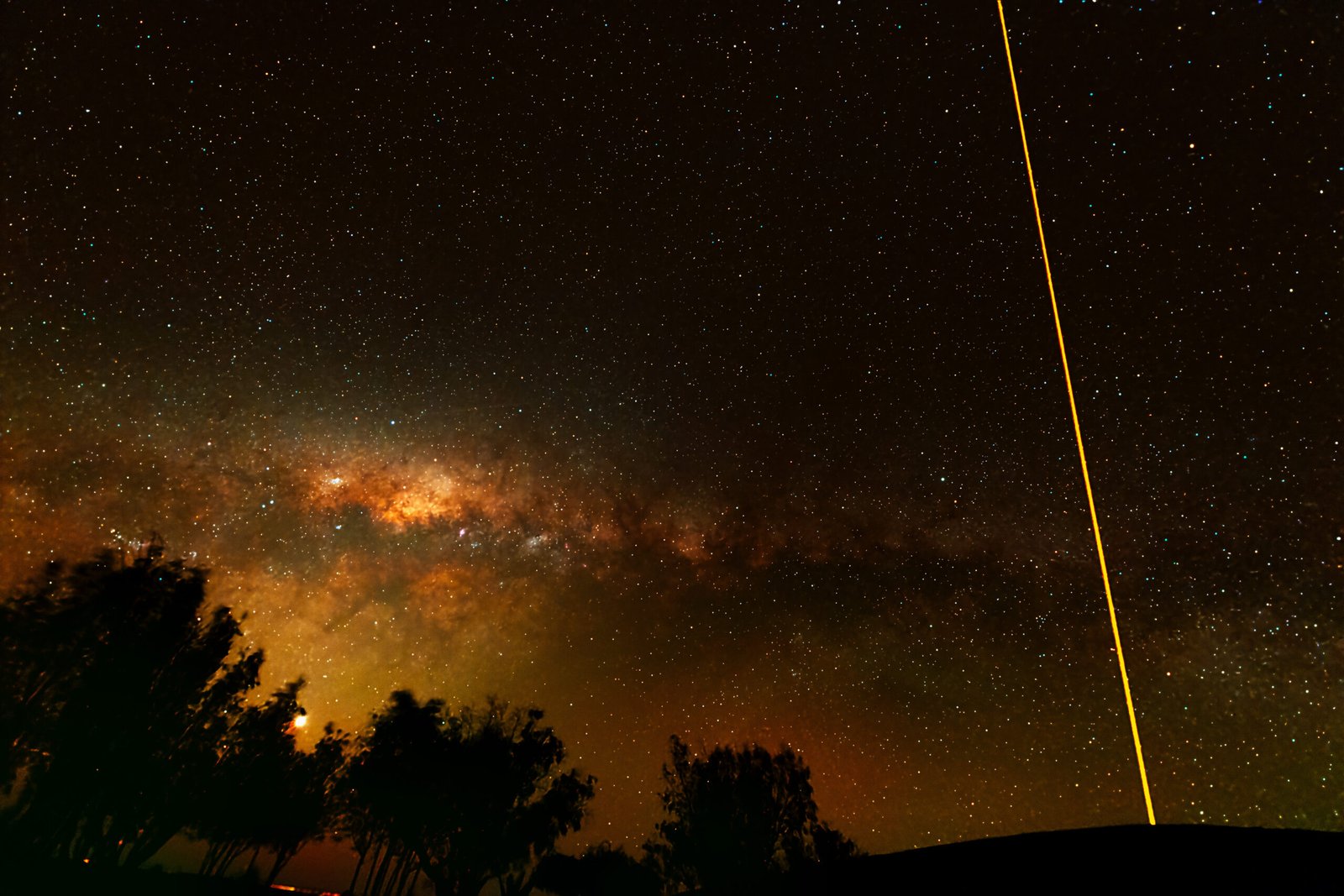
Laser guide stars slice through the Atacama night sky to correct for atmospheric distortion, fighting to keep our window to the universe clear.
Severing Our Historical and Indigenous Connection
The loss of the dark sky is not just a crisis for data collection; it is a profound rupture in the human timeline. For millennia, the night sky was humanity’s primary clock, calendar, and map.
The ancient Greeks and Persians looked up at a high-contrast sky, allowing them to meticulously calculate planetary motions and catalogue stellar coordinates. They tracked the deep-sky treasures of the Northern Hemisphere, embedding their cosmic observations into complex mythologies.
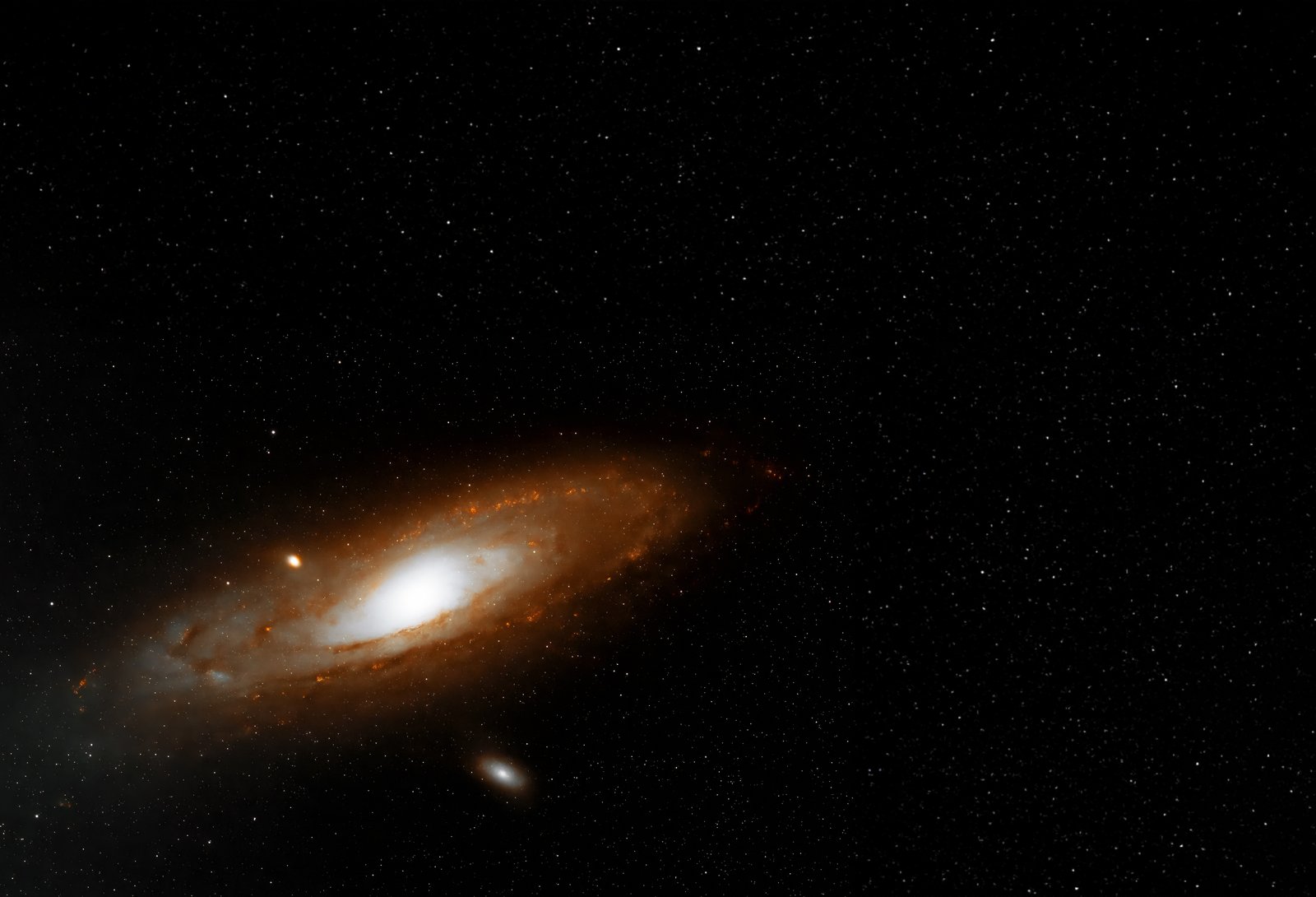
The Andromeda Galaxy, our cosmic neighbour, shines brightly in the Northern Hemisphere—a sight once viewed with the naked eye by ancient Greek and Persian astronomers.
Further south, indigenous cultures developed an entirely different way of reading the cosmos, utilizing both the distinct satellite galaxies and the striking dark patches within the Milky Way itself.
- Indigenous Australian Deep-Sky Traditions: Instead of connecting bright stars to form constellations, Indigenous Australian cultures looked at the dark silhouette regions of the sky. A prime example is the Coalsack Nebula, a dense interstellar dust cloud that visually forms the head of “Gugurmin” (the celestial Emu). They also tracked the Large Magellanic Cloud, weaving its distinct, glowing presence into complex creation beliefs and seasonal navigation.
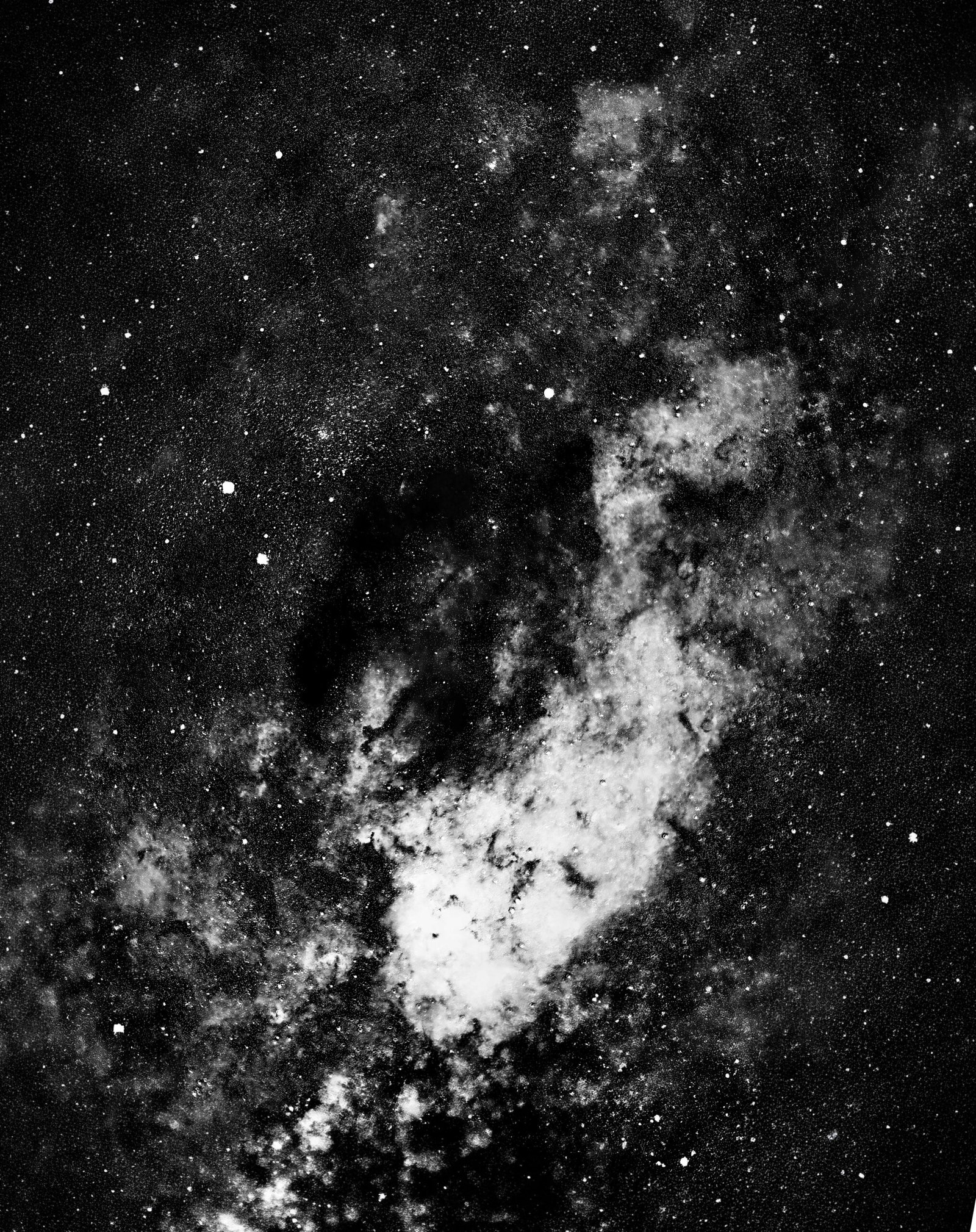
The Coalsack Nebula, a dense cloud of cosmic dust that forms the head of the celestial Emu (Gugurmin), demonstrating how indigenous cultures looked to the darkness rather than the stars.
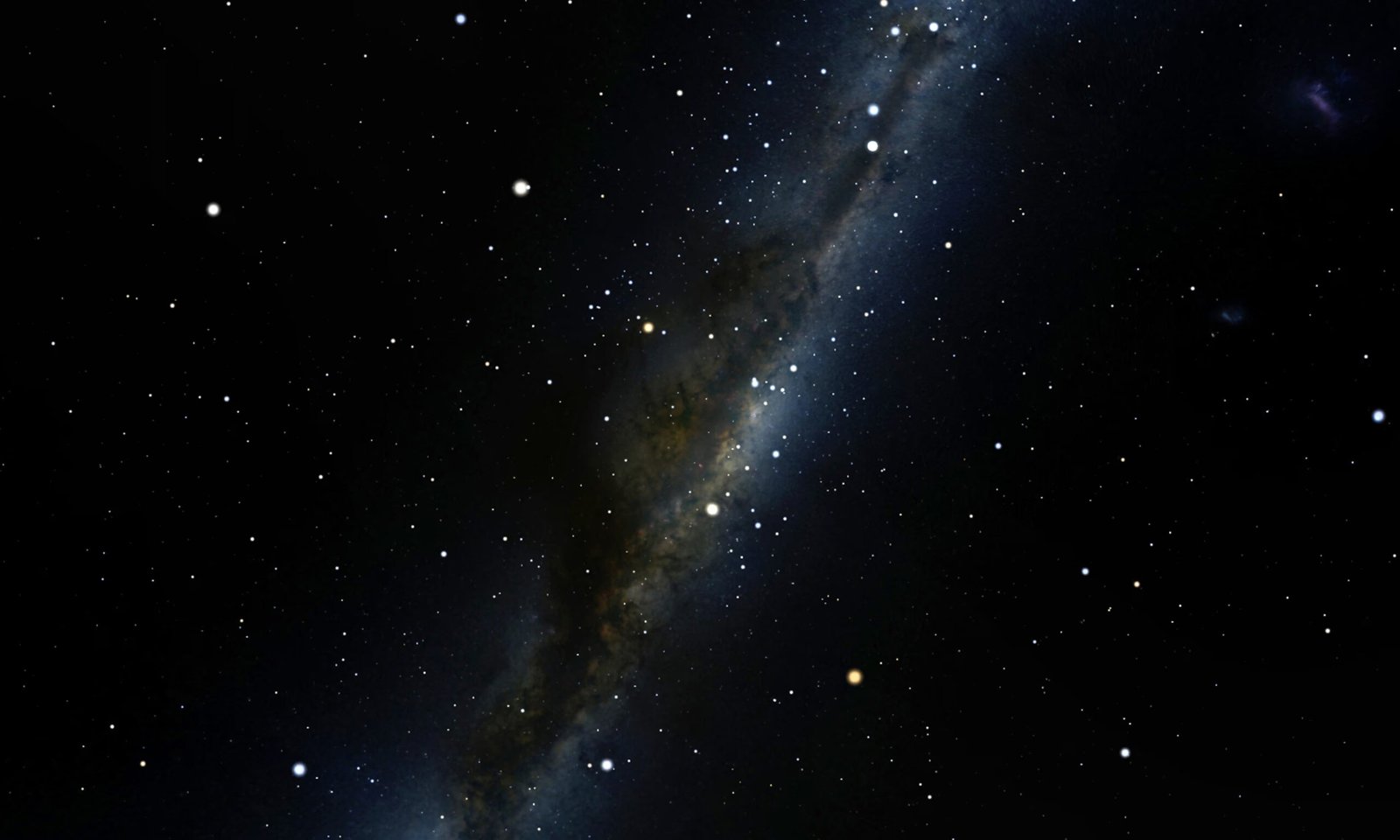
The Celestial Emu (Gawarrgay / Gugurmin) in the Milky Way — Spanning halfway across the southern night sky, this wide-field image captures one of the world’s most famous “dark constellations”. Unlike Western traditions that connect bright stars, Indigenous Australian astronomers map the negative spaces formed by opaque interstellar dust lanes. The Coalsack Nebula (sitting tightly beside the Southern Cross) marks the watchful head of the Emu. The shifting angle of this majestic cosmic bird traditionally tracked ecological seasons, hunting laws, and egg-harvesting cycles on Earth.
- The Sacred Skies of Argentina: Across the Andes and into Argentina, indigenous peoples like the Mapuche wove the cosmos into their foundational cosmovision. For the Mapuche, the Large Magellanic Cloud was not just a collection of stars, but a sacred celestial landscape. They viewed these glowing clouds and the Milky Way as a cosmic path and a heavenly hunting ground, where the positions of stars and celestial objects dictated agricultural cycles and spiritual governance.
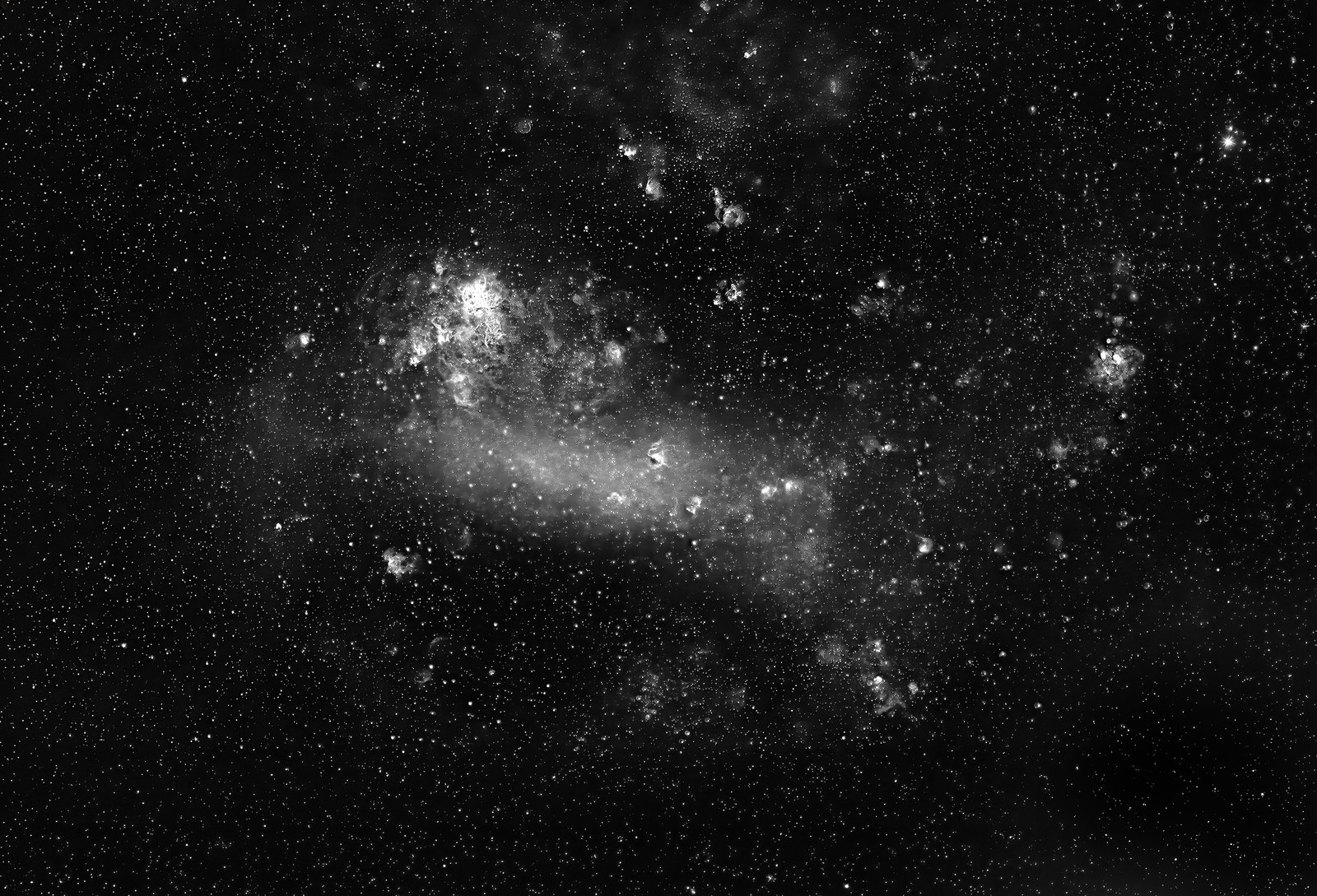
The Large Magellanic Cloud, a satellite galaxy crucial to the creation beliefs and seasonal calendars of the Mapuche and Indigenous Australian cultures.
A Generational Loss
Today, the rapid proliferation of poorly designed artificial lighting has fundamentally severed this link. According to modern light pollution atlases, a vast majority of the global population now lives under a permanent artificial twilight.
This is a tragic loss for present-day people. For the first time in human history, an entire generation is growing up unable to see the true Milky Way, the Magellanic clouds, or the distinct dark nebulae like the Coalsack with the naked eye. When we are deprived of this infinite, natural laboratory, we lose more than just a view; we lose the profound sense of existential wonder and perspective that has driven human curiosity, philosophy, and scientific inquiry since the dawn of civilization.
By archiving the cosmos here at astroanderson.com, one of my goals is to document what we are losing—and to remind us all why we must fight to preserve the dark.