Scientific Context
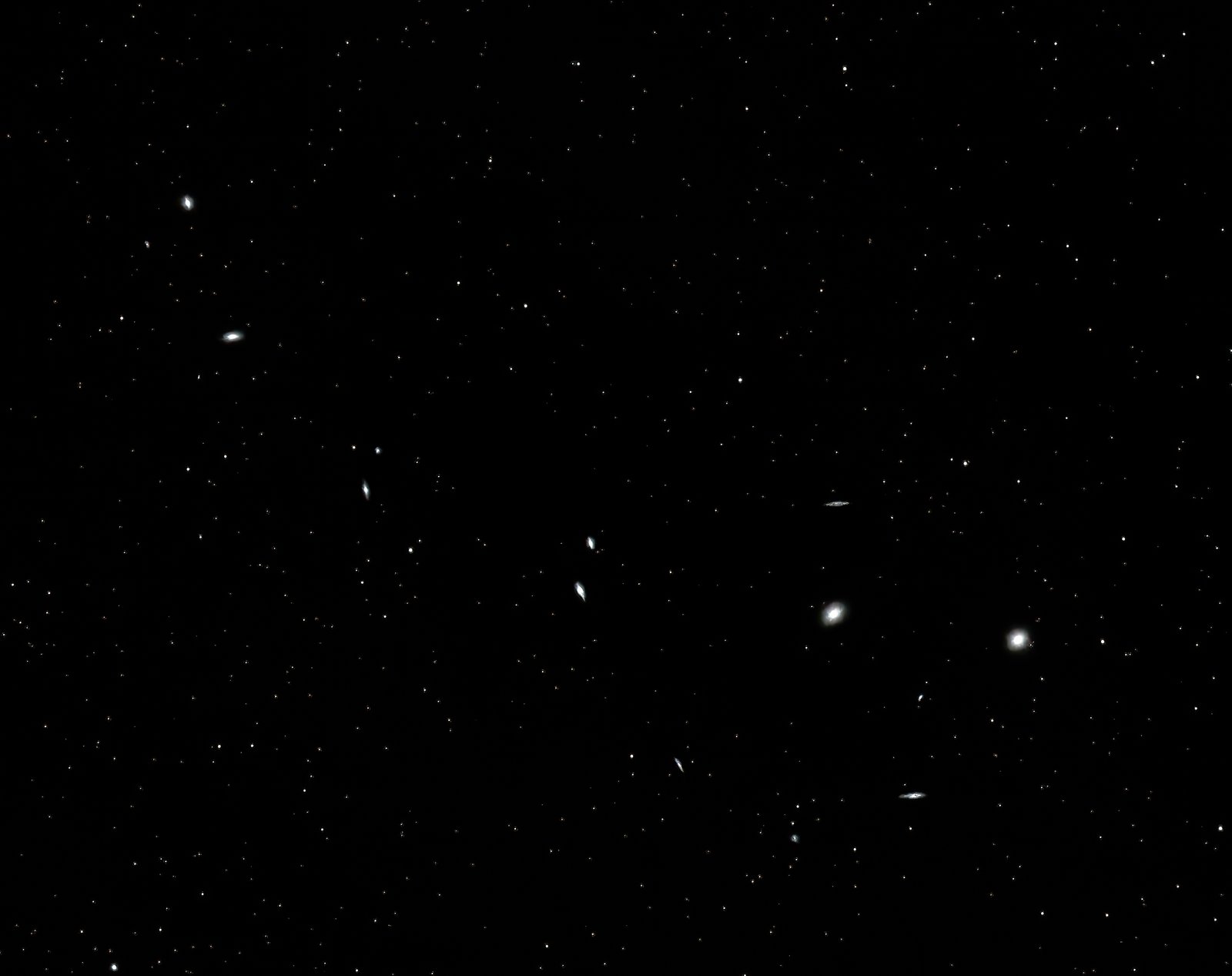
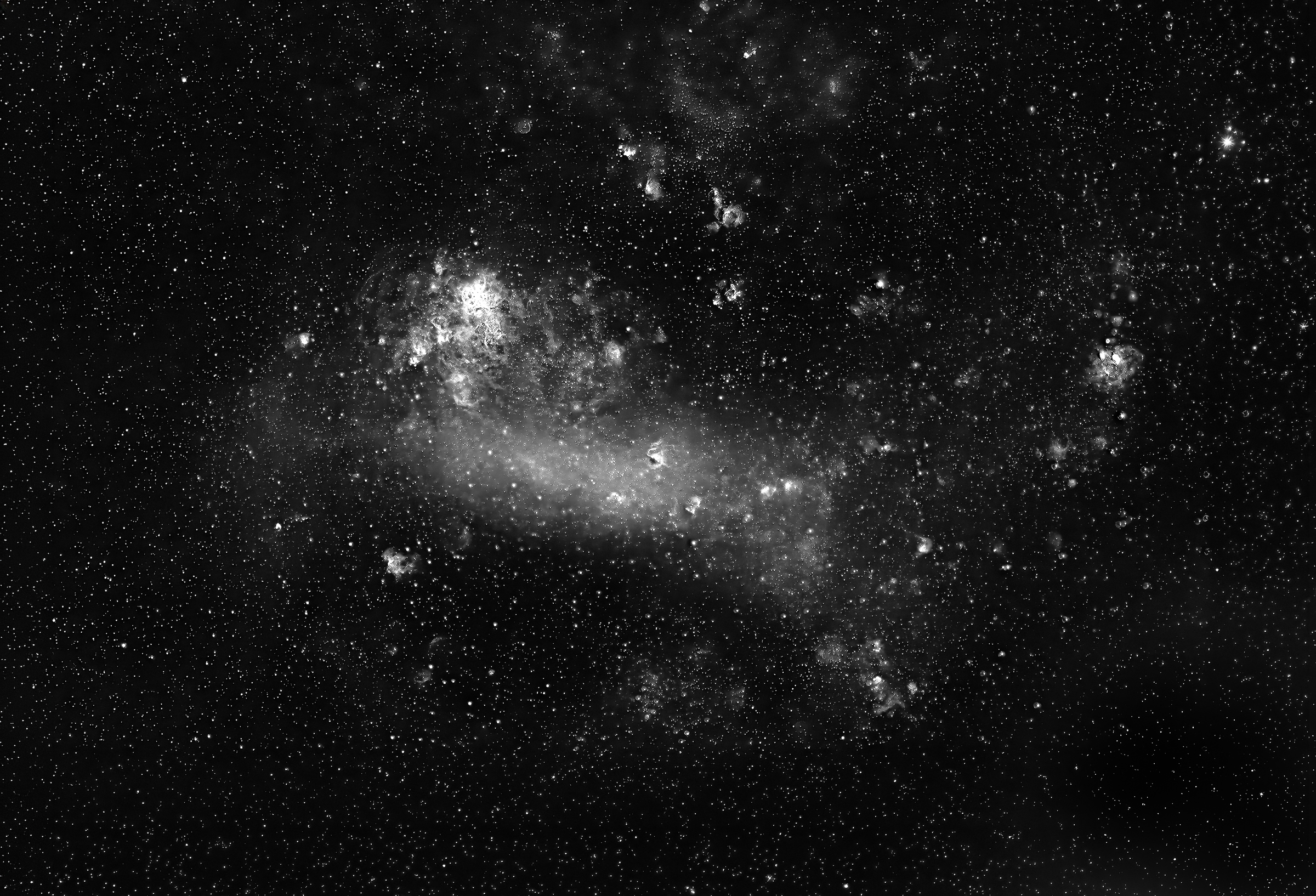
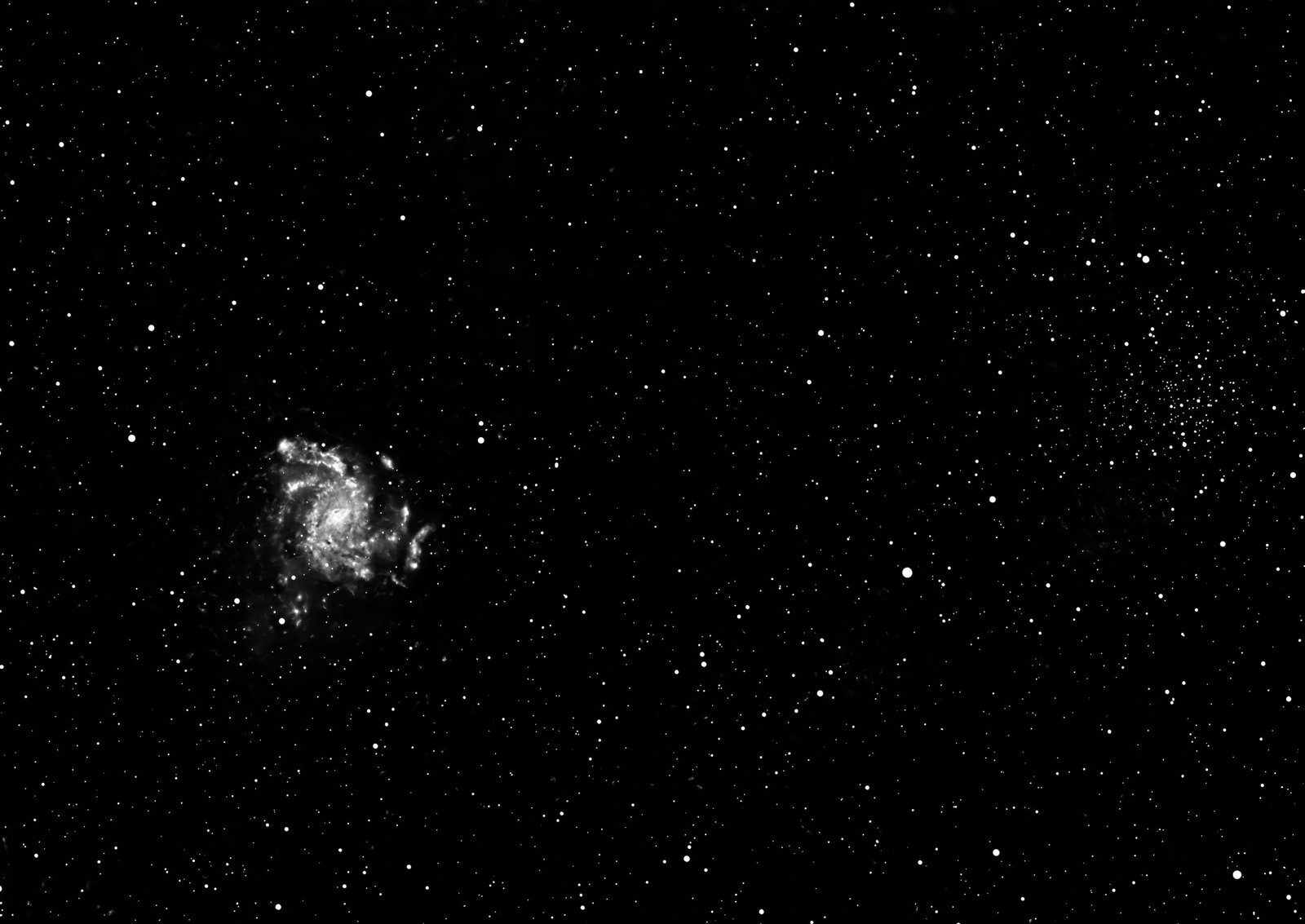
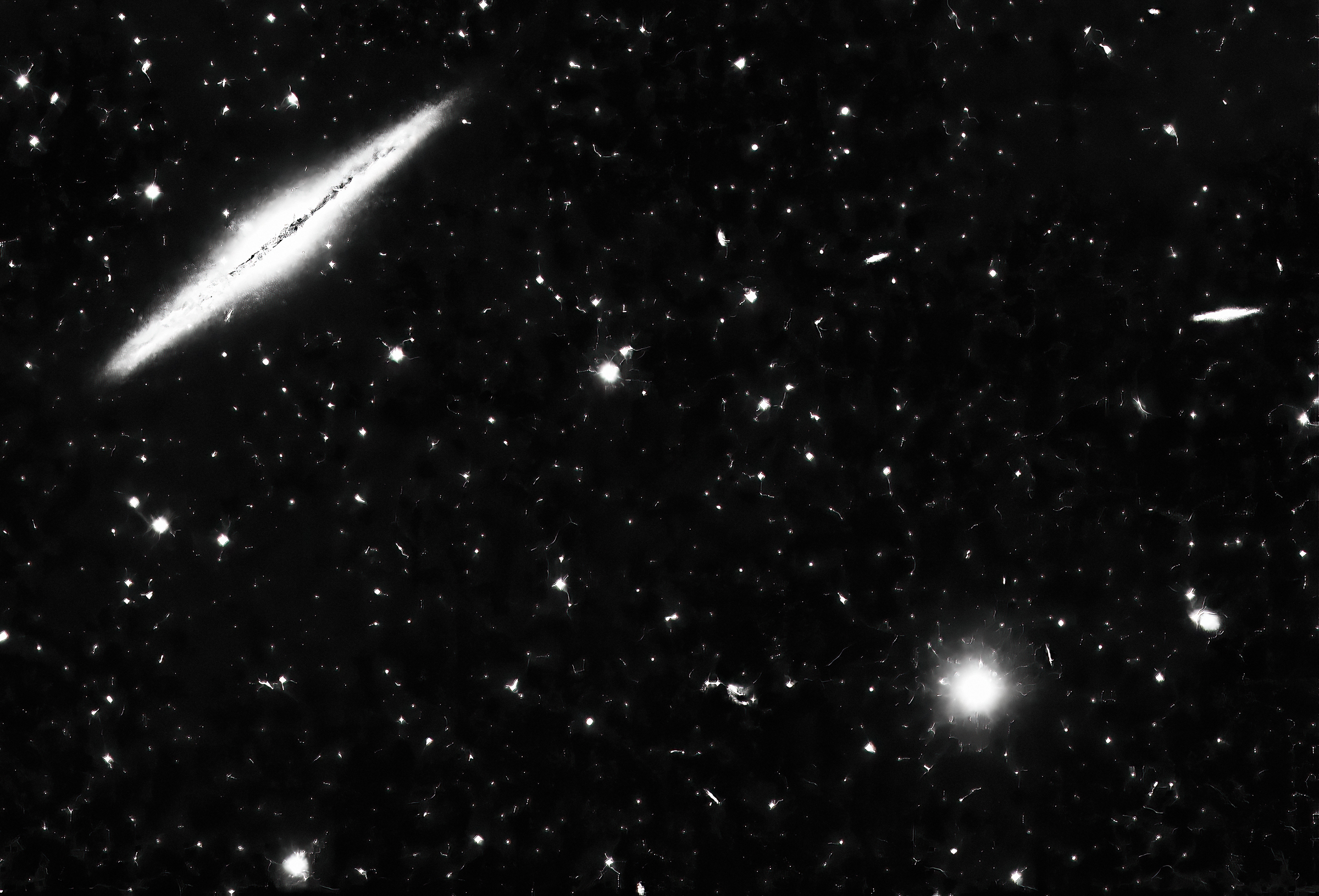
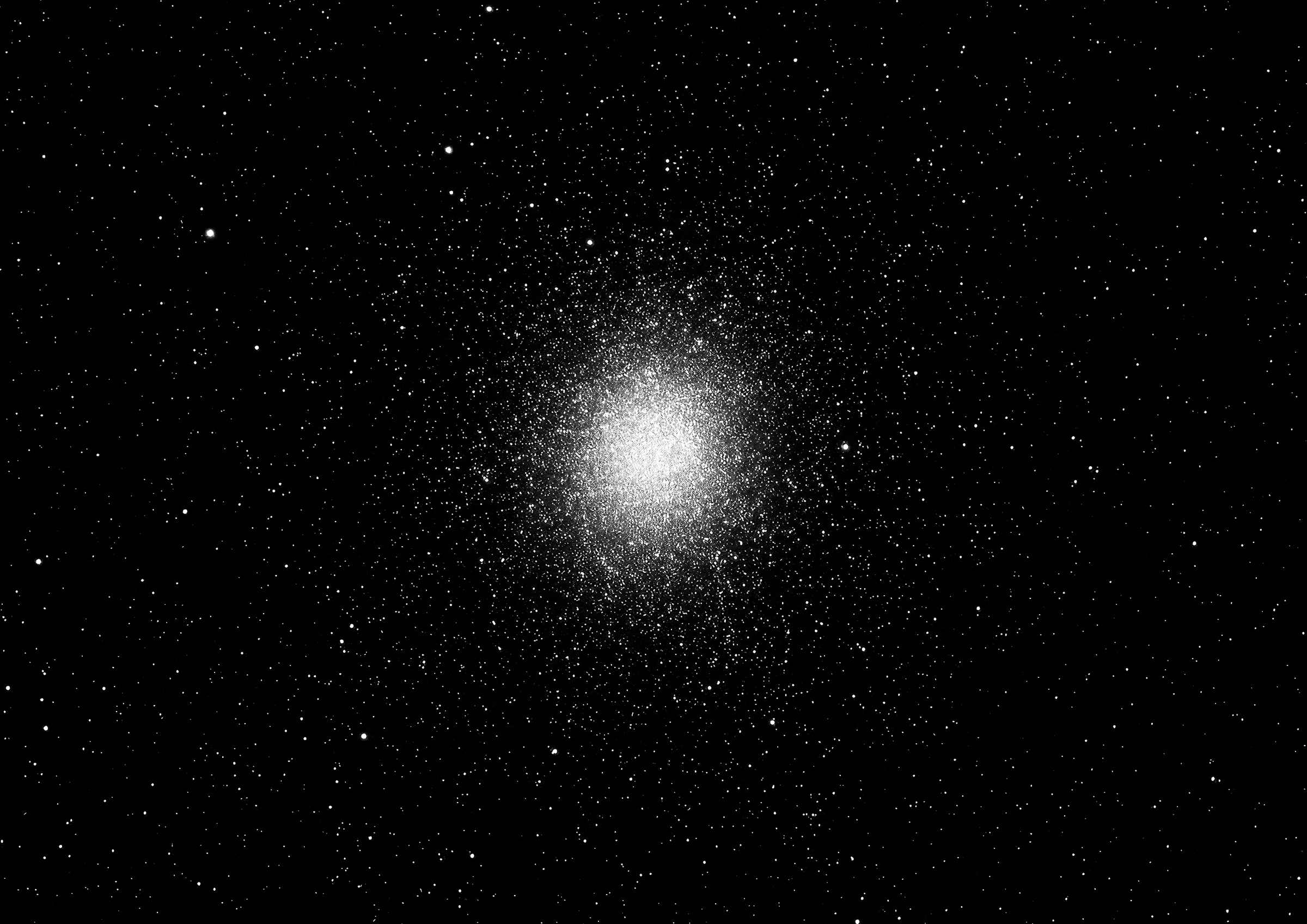
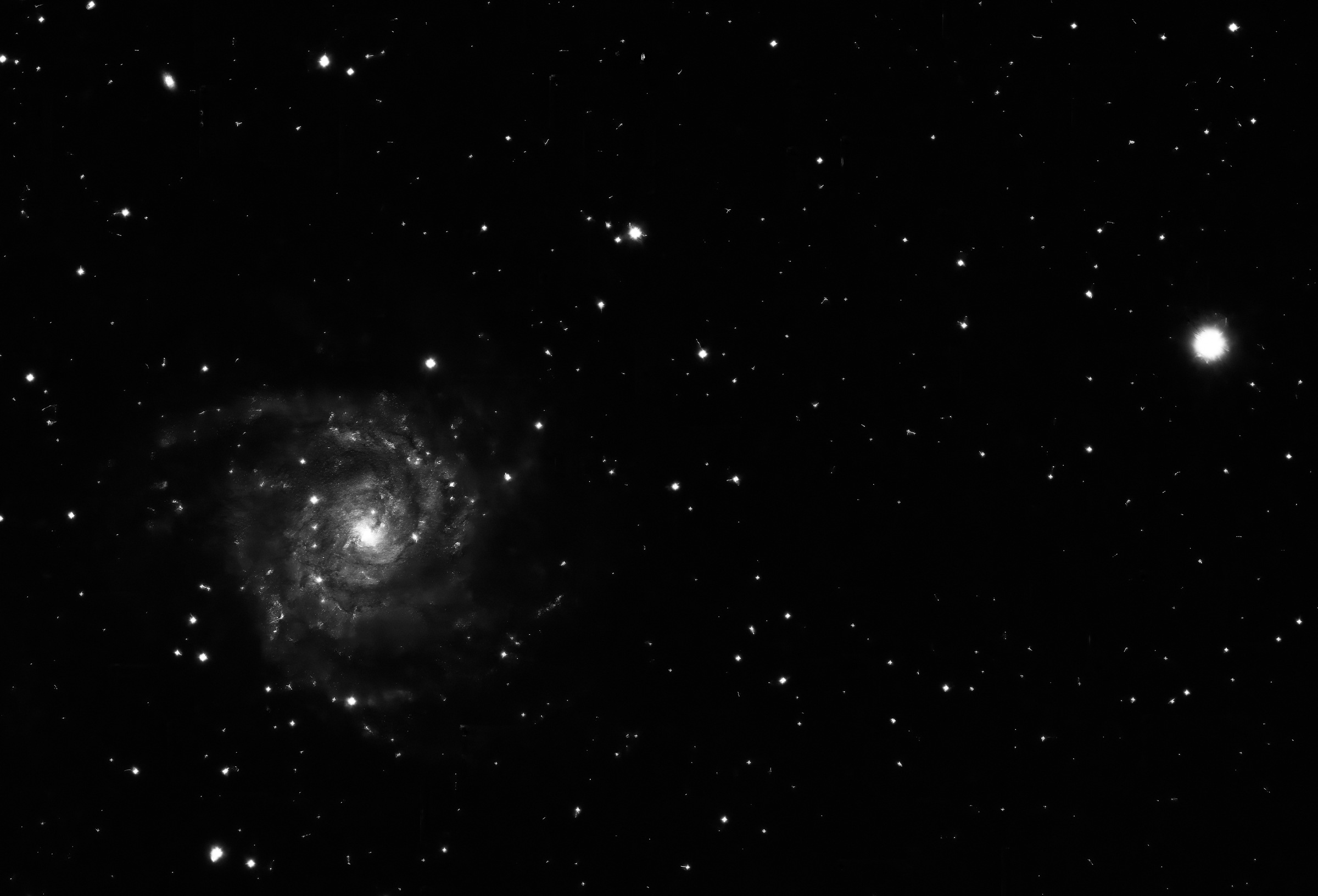
As can be seen in the Collection: Galaxies, with, perhaps the exception of the Andromeda Galaxy, where I processed images from both the ZWO ASI2600MC and ZWO ASI2600mm cameras, with tutorial guidance, I have yet to master capturing colour images of galaxies. So, in the Monochrome Study I, I include monochrome images of galaxies, processing narrowband images captured with the Ha filter. The collection isolates the raw skeletal frameworks of spiral arms, tidal debris, and colliding cosmic bodies. Without colour distraction, the viewer can trace the concentrated starlight of galactic bulges, the sharp contrast of dense edge-on dust lanes blocking background stellar cores, and the immense gravitational forces stretching stars into sweeping tidal tails over millions of light-years.
Philosophical Insight
When we look at a galaxy in monochrome, we are looking at a cosmic blueprint. These images capture ancient photons not as chaotic splashes of cosmic paint, but as structural lines of cosmic geometry. Seeing a trillion stars organized into a single swirling form reminds us that the same laws of balance, curvature, and rotation that sculpt the grandest structures in the universe are mirrored in the smallest architectures of life on Earth.
See also the Collection: Galaxies