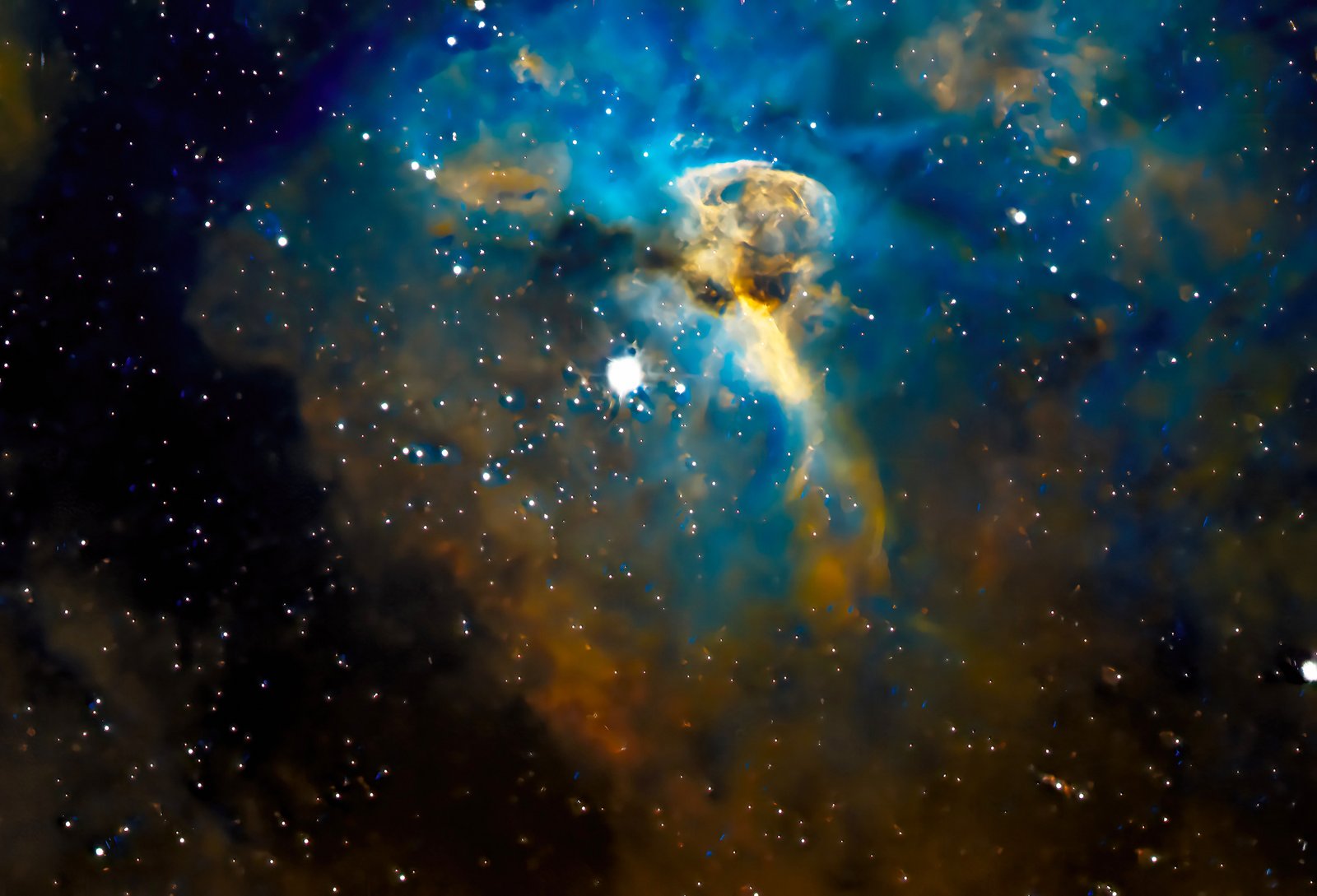
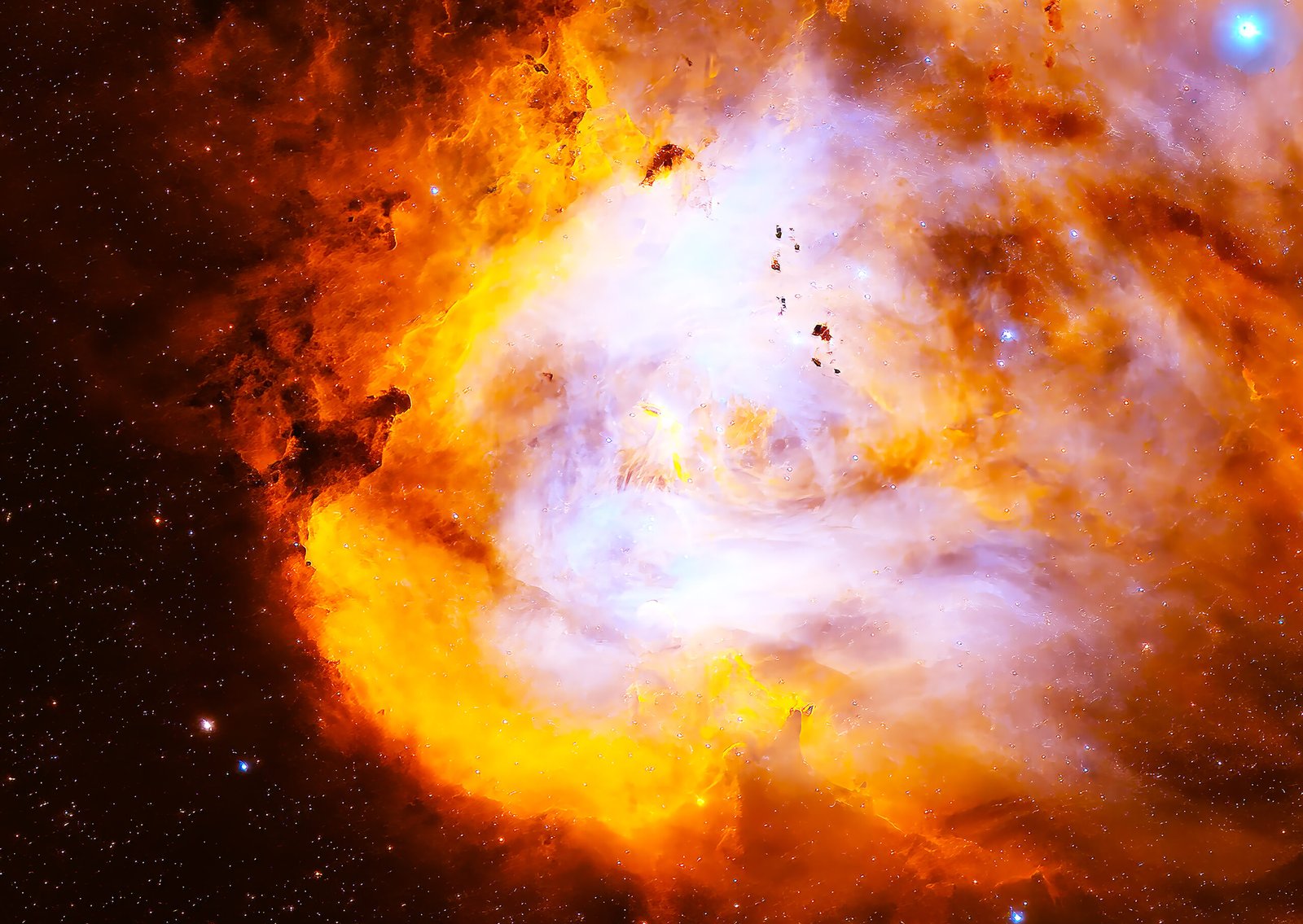
The Keyhole Nebula: is a small, dark cloud of cold molecules, dust, and glowing gas within the much larger Carina Nebula. Located roughly 7,500 to 8,000 light-years away, it gets its iconic name from the glowing, keyhole-shaped outline sculpted by the intense stellar winds of the massive star system Eta Carinae.
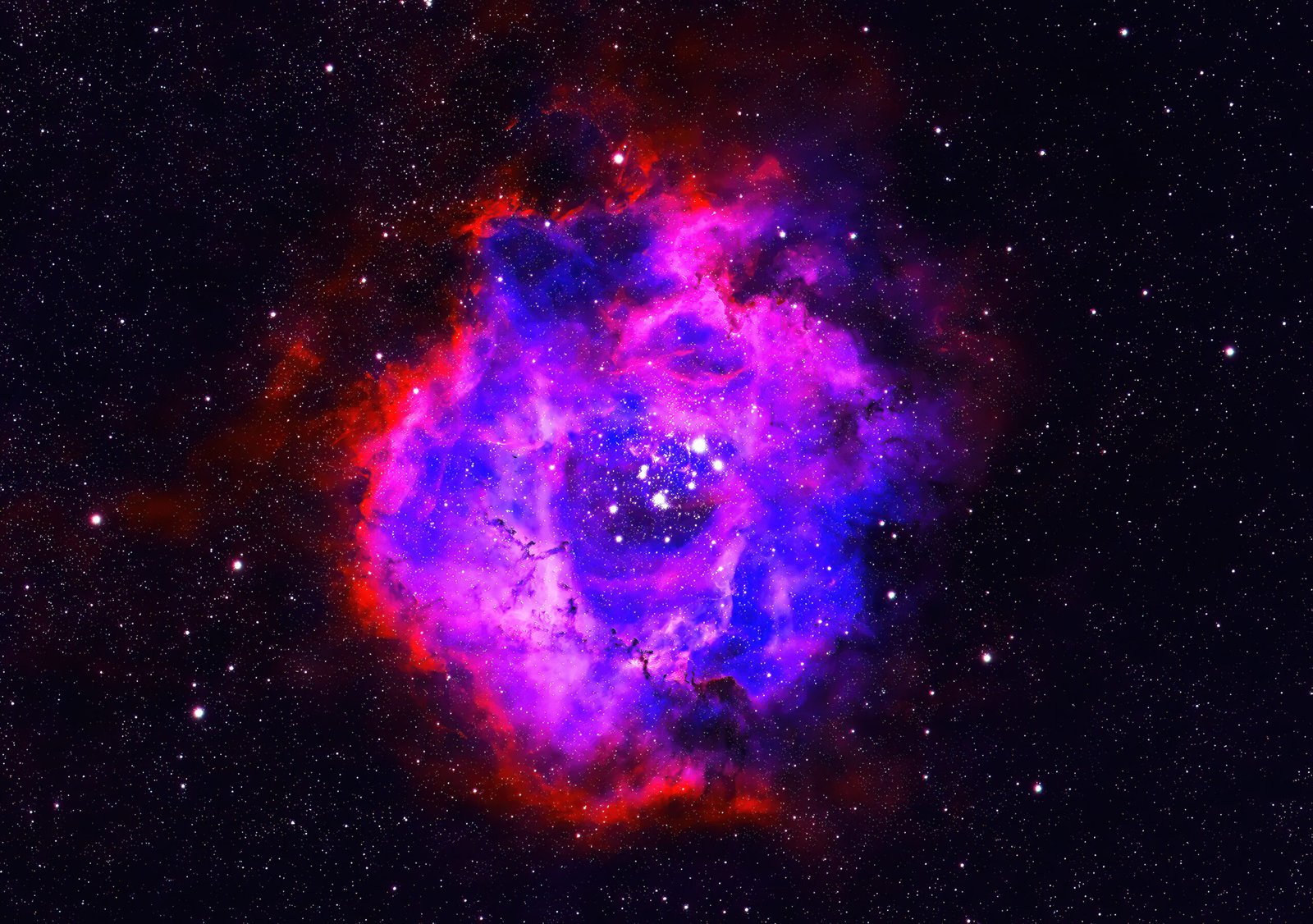
The Rosette Nebula: NGC 2237 is a huge star-forming region spanning 100 lightyears across and located 5,000 lightyears away. At the centre of the nebula is NGC 2244, a group of stars that form a gravitationally bound open star cluster thought to be about 4 million years old. These stars emit streams of charged particles known as stellar winds, carving out the gas and dust at the nebula’s centre and giving it the Rosette nickname.
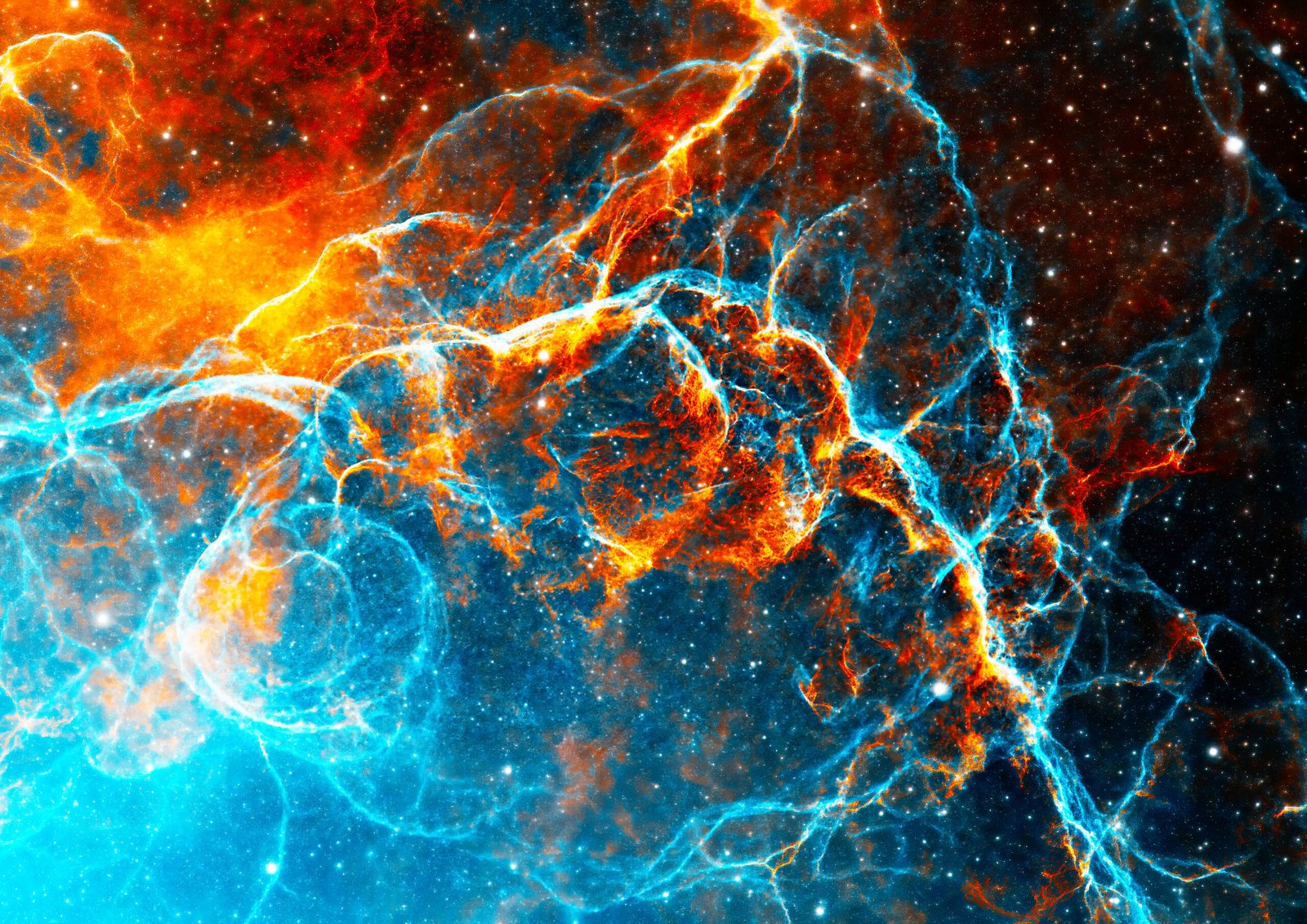
The Vela Supernova Remnant: While the initial blast wave from the core-collapse explosion roughly 11,000 years ago moved at millions of kilometres per hour (up to 10% the speed of light), it has slowed down significantly over the millennia to between 250,000 to 500,000 km/h. As the debris expands outward into interstellar space, it continuously plows into the surrounding gas and dust, creating a massive, glowing shell of shocked filaments that now spans nearly 100 light-years across.
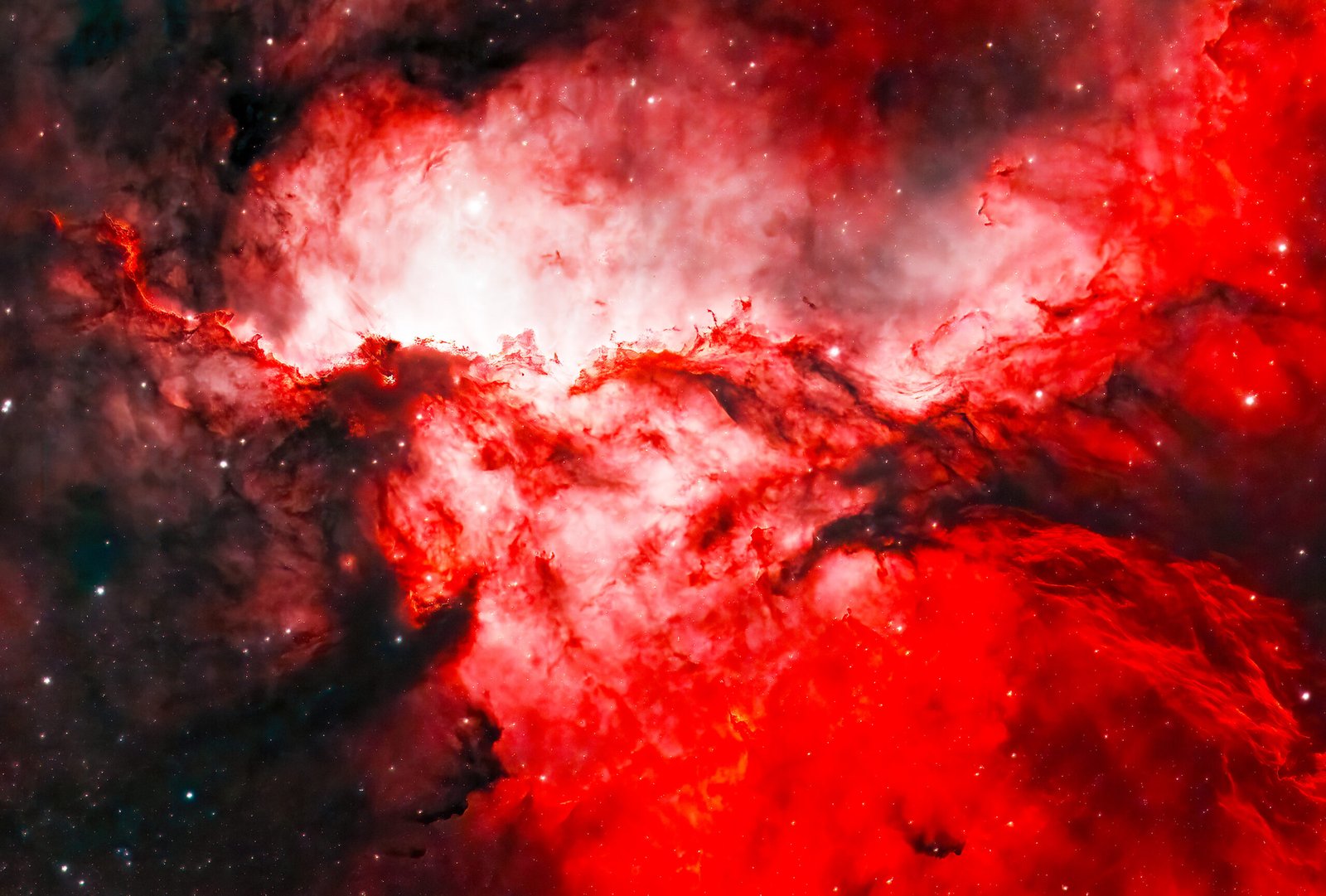
Fighting Dragons of Ara: NGC 6188 is located 4,000 lightyears from Earth. The “dragons” are made up of thick, dark dust clouds that appear black, but also lighter dust clouds that glow in red due to ionized hydrogen, caused by the energetic outflows from hot, young stars.
The Running Chicken Nebula: IC 2944 is an active star-forming region located 6,500 light-years away in the constellation Centaurus. It is scientifically distinct for its inclusion of Thackeray’s Globules – small, opaque, and highly condensed cocoons of interstellar dust. In this close-up image, one can almost imagine an astronaut climbing up on the left.