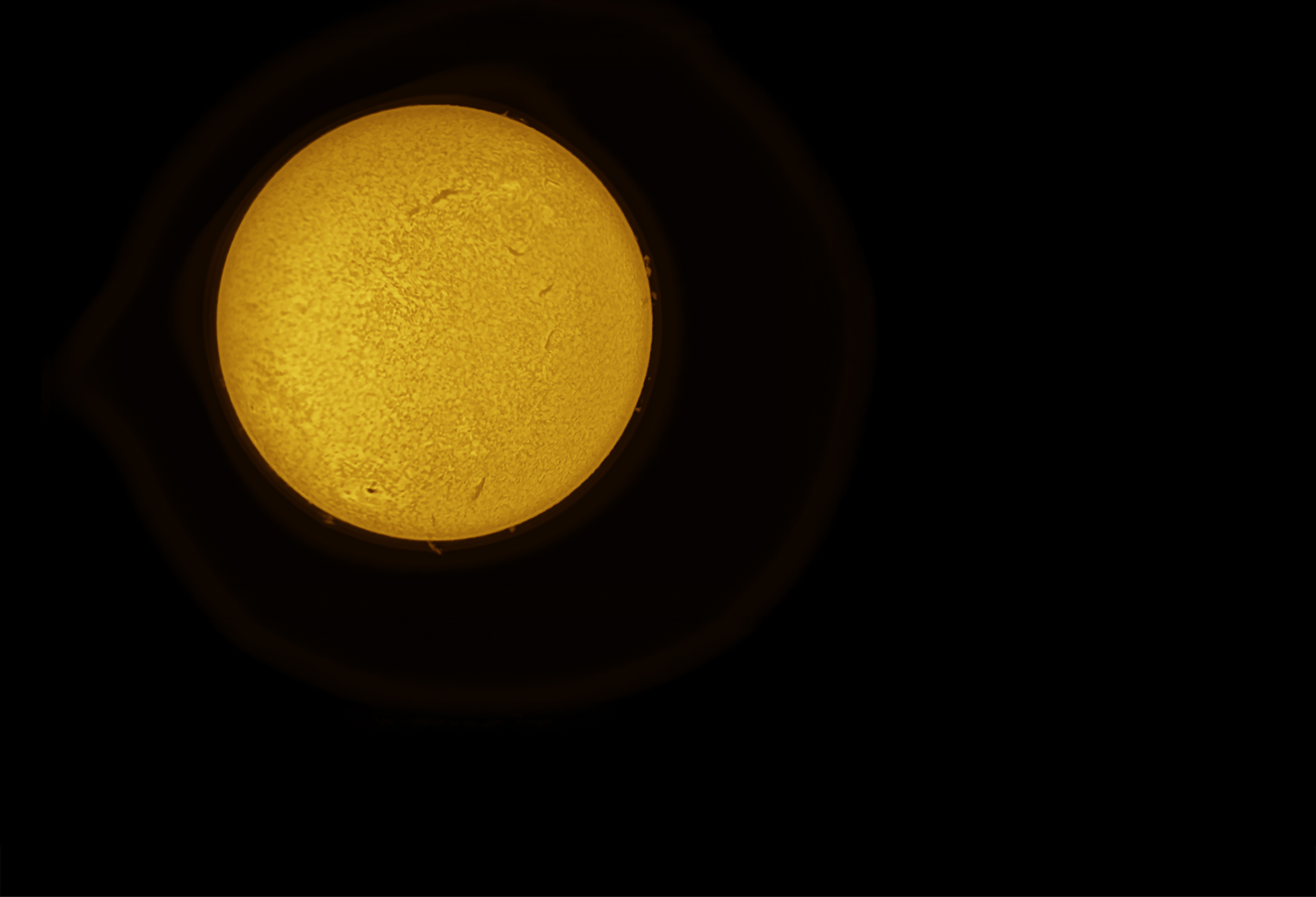
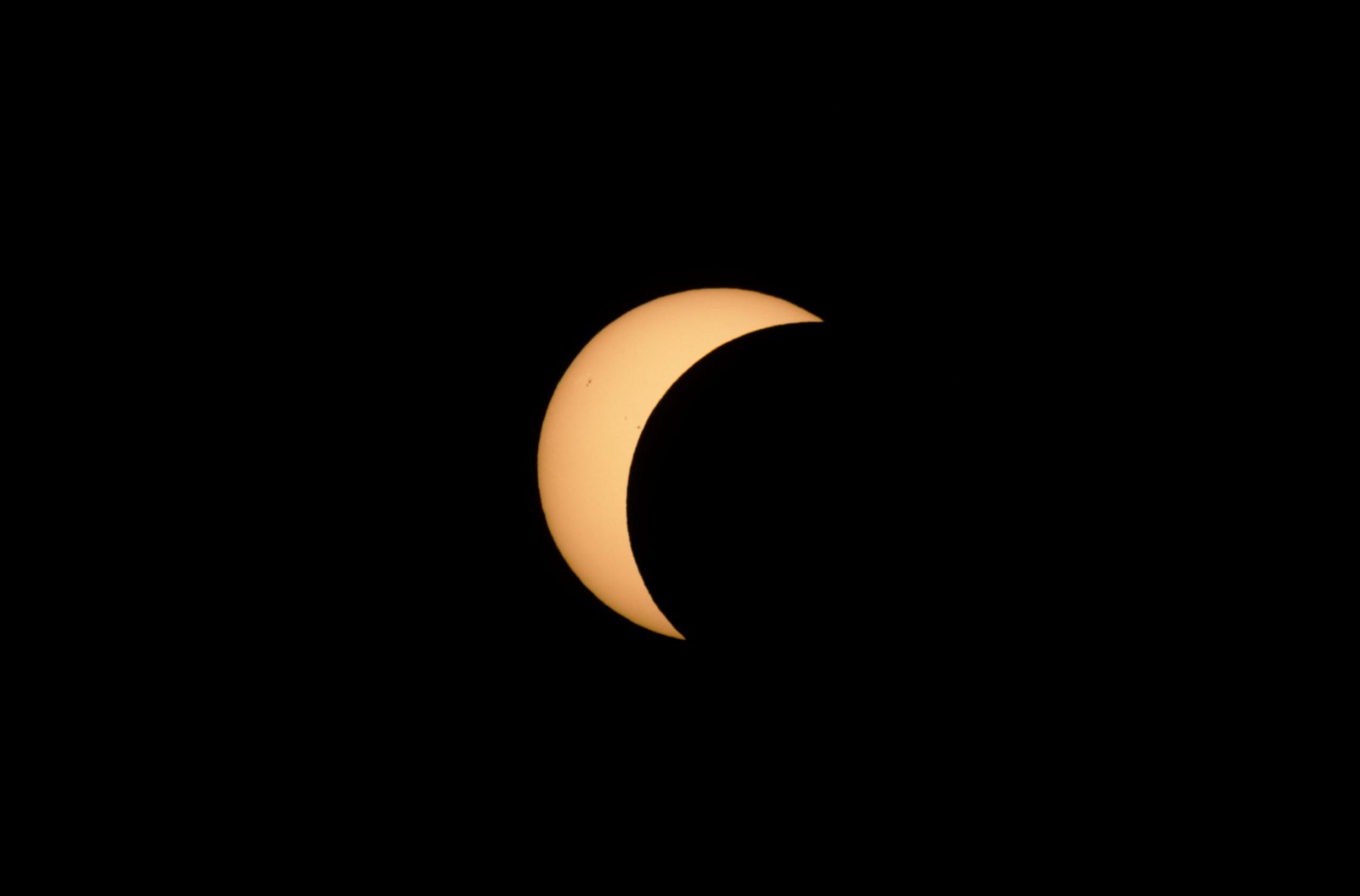
The solar system is a gravitationally bound system dominated by a single central star, the Sun, which contains 99.86% of its total mass, which generates a powerful gravitational field that dictates the orbital mechanics of all surrounding celestial bodies.
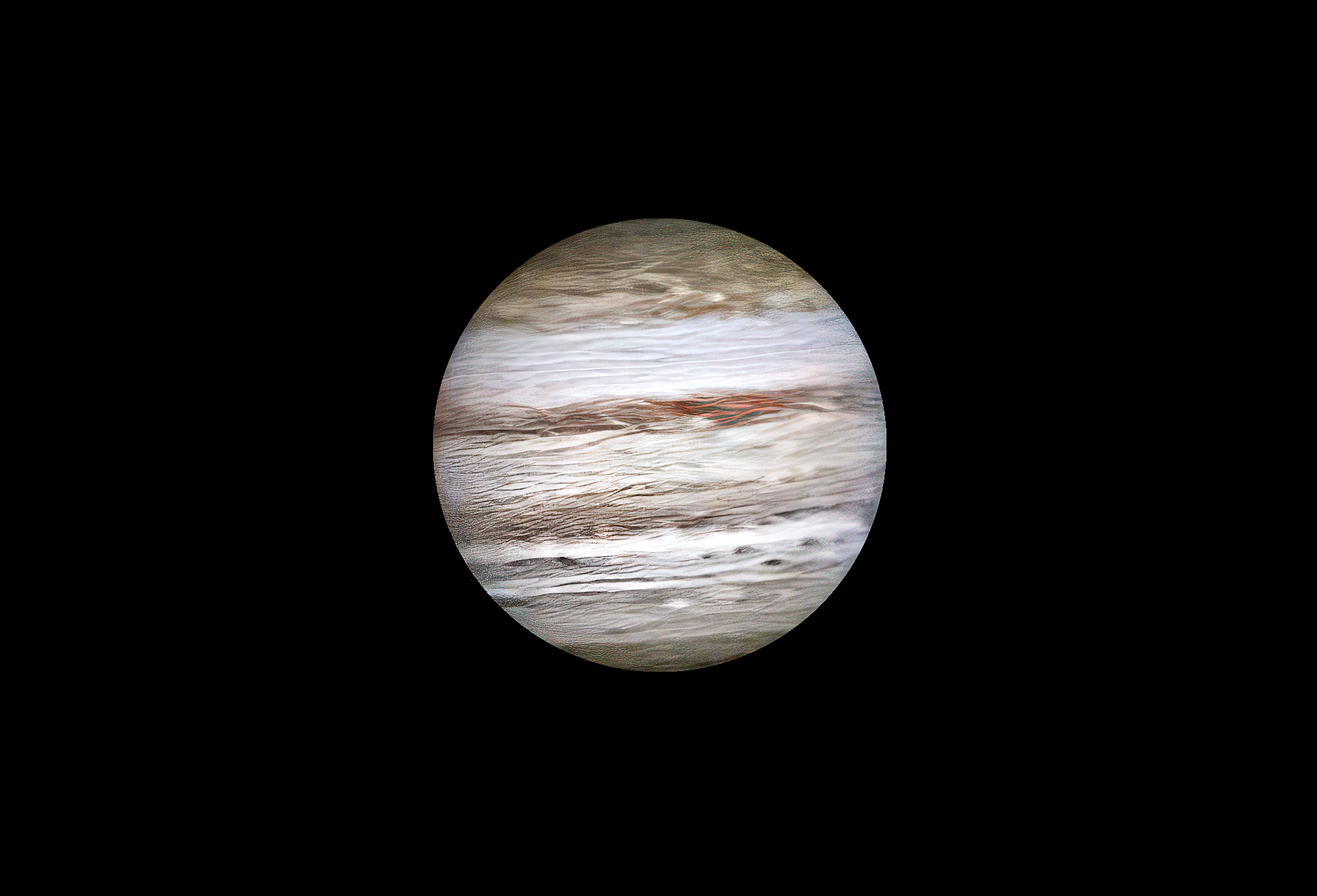
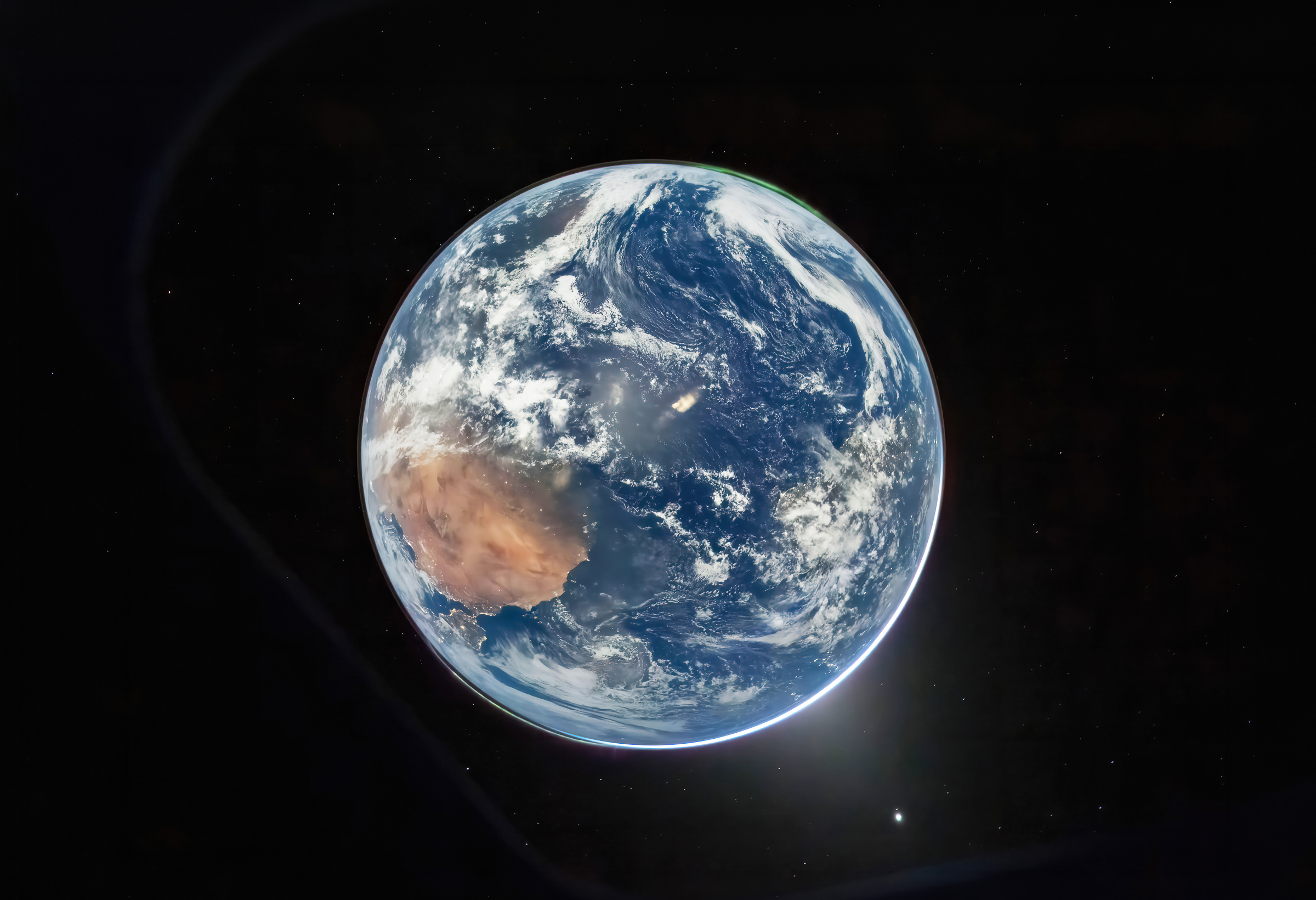
Eight major planets revolve around the Sun: the inner terrestrial planets—Mercury, Venus, Earth, and Mars—are composed primarily of silicate rock and metals; the outer planets are subdivided into gas giants (Jupiter and Saturn), composed mainly of hydrogen and helium, and ice giants (Uranus and Neptune).
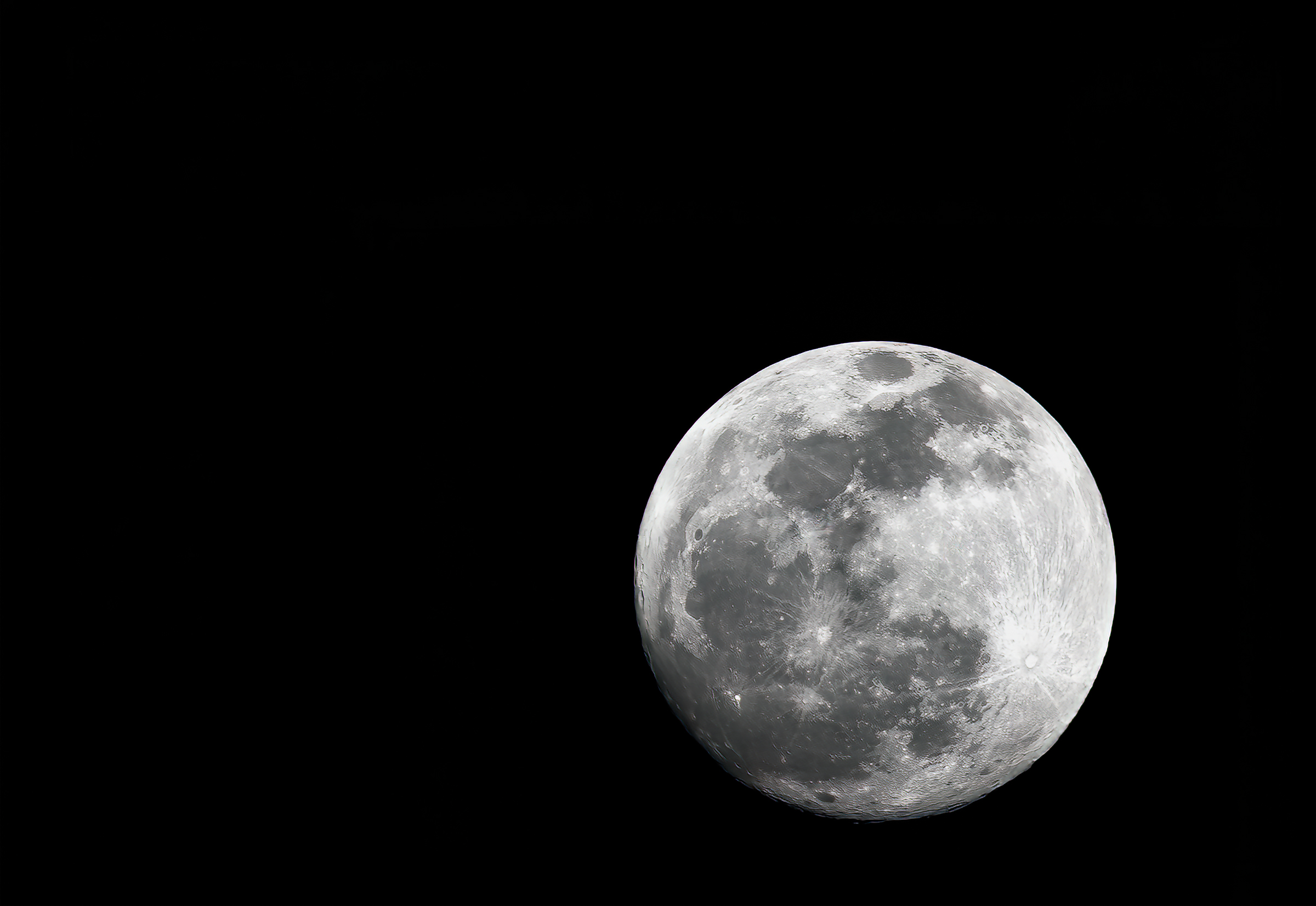
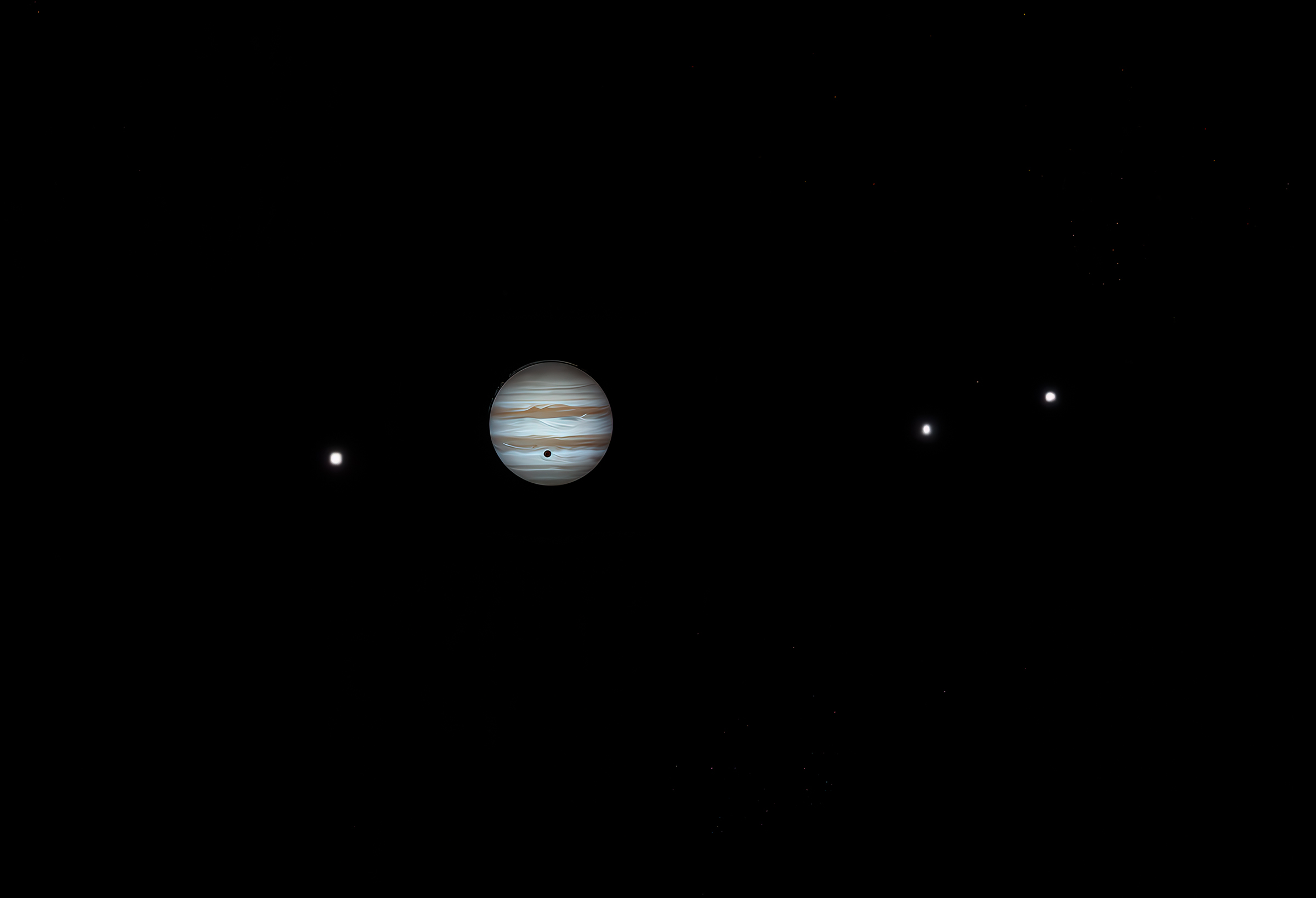
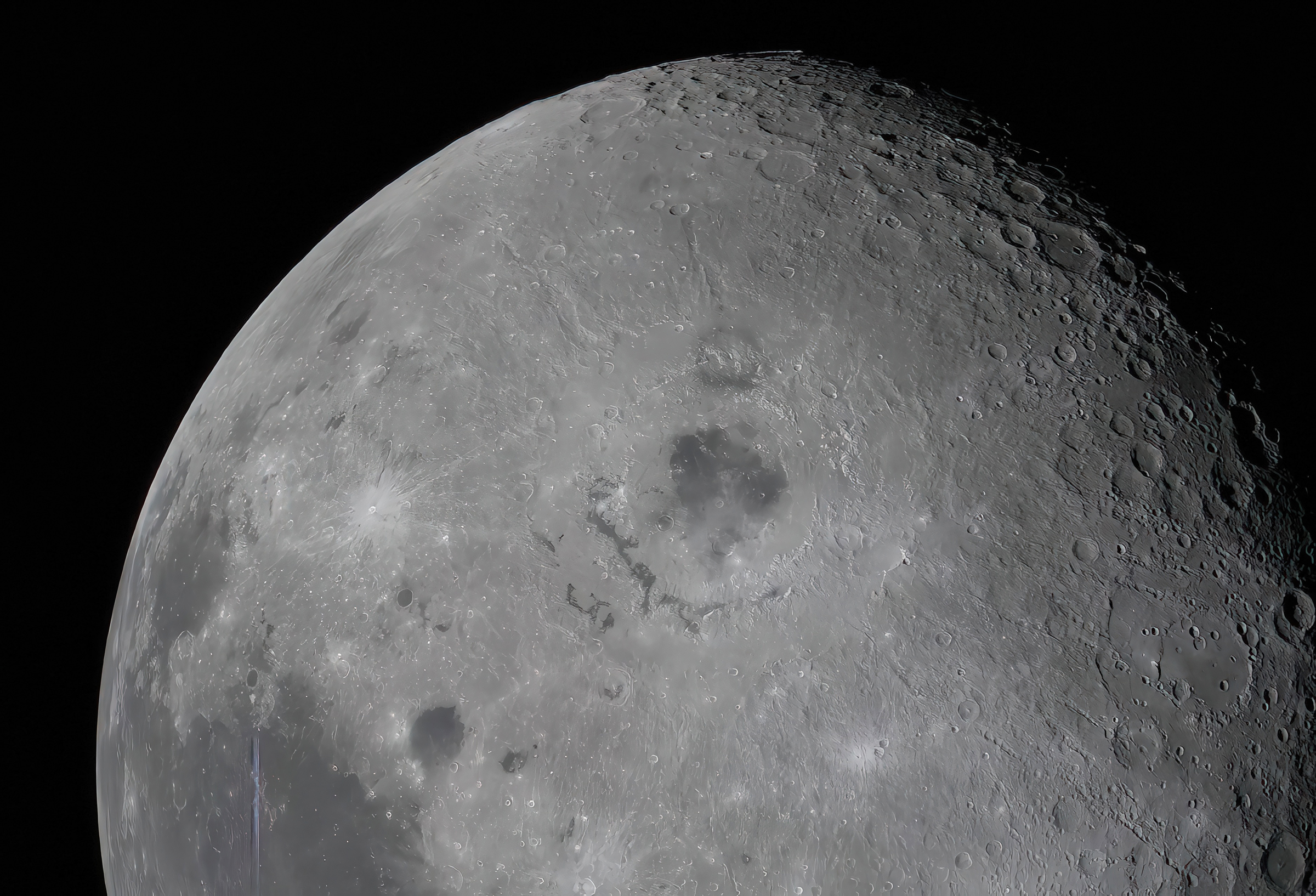
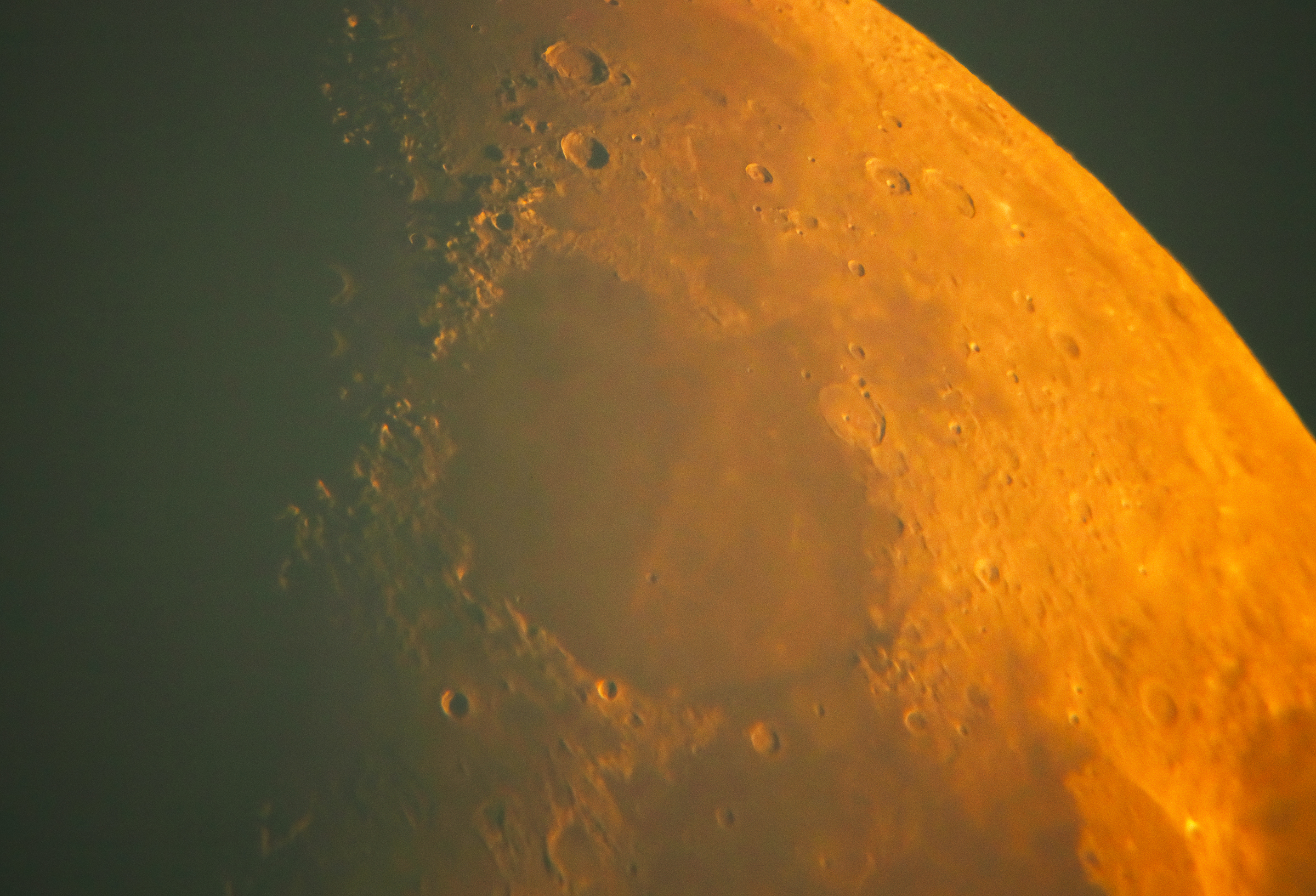
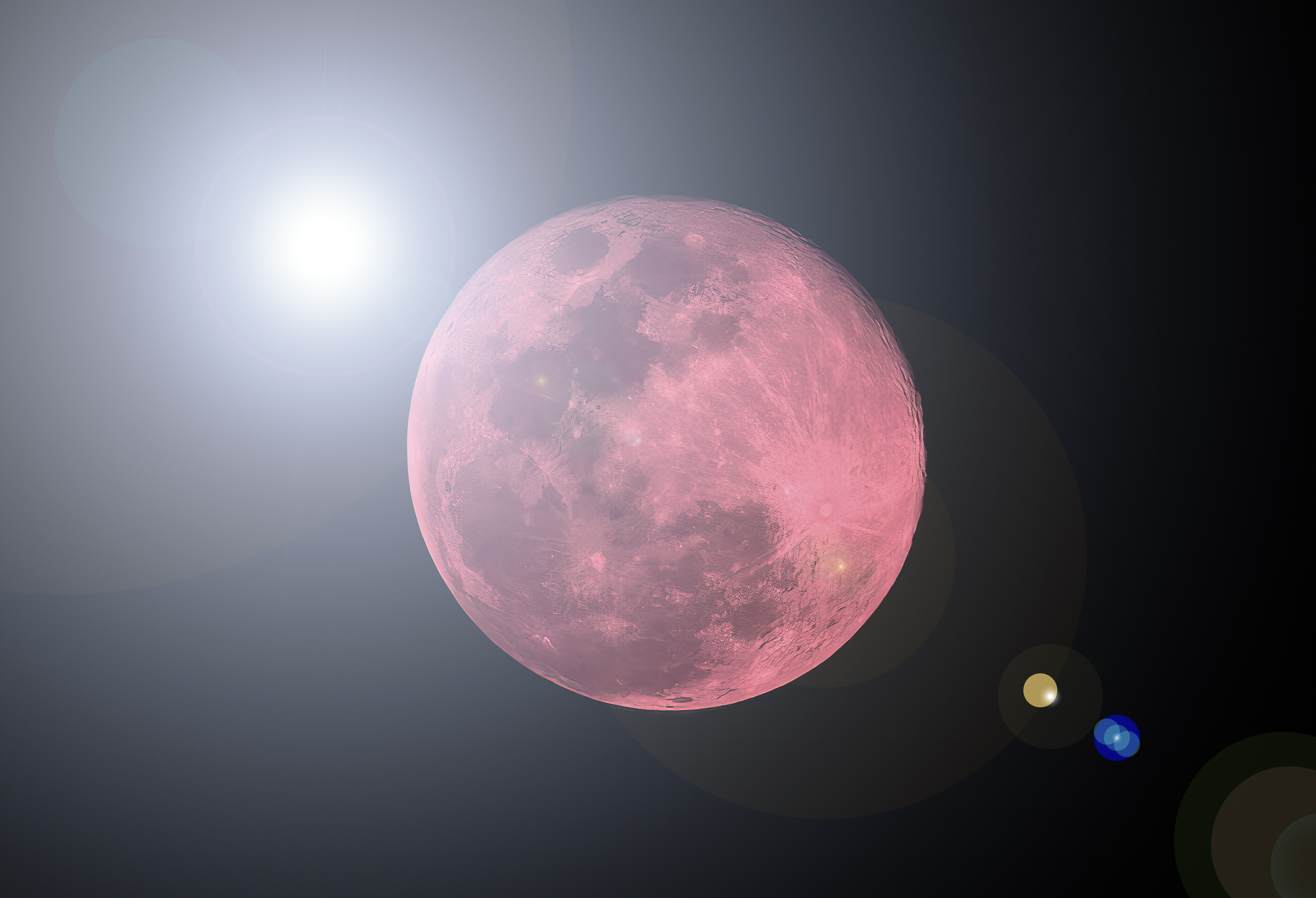
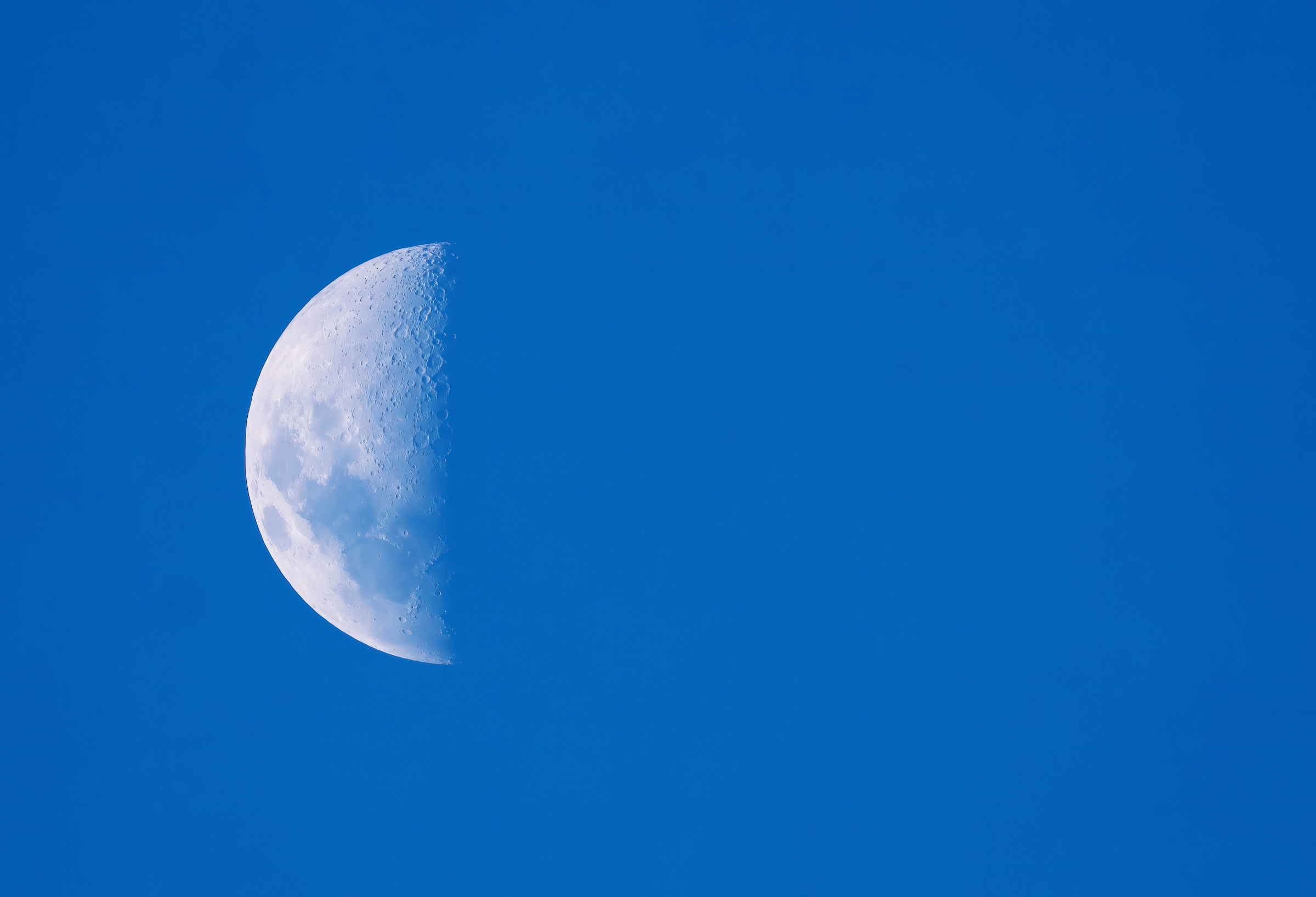
Moons are gravitationally bound bodies that orbit planets. Earth’s Moon is a rocky satellite likely formed via a giant impact. In contrast, Jupiter’s 95 moons have extreme geology shaped by intense gravitational forces. Tidal heating from Jupiter’s massive gravity melts the interiors of its largest satellites, known as the Galilean moons, Io, Europa, Ganymede, and Callisto.