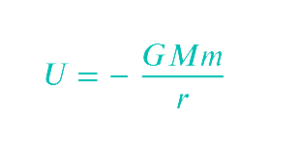
Imagine standing under a pitch-black night sky, looking up at a spectacular galaxy or a glowing nebula. It feels impossibly massive, packed with billions of stars and endless energy.
Yet, modern science hints at a mind-bending truth: if you add up everything in the cosmos, the total energy of the universe is exactly zero.
The Universe isn’t a grand structure built from a massive bank account of energy. Instead, it might be the ultimate “free lunch.” Here is how a cosmic balance sheet allows everything we see to exist out of absolutely nothing.
The Universe’s Bank Account: Plus vs. Minus
To understand how the universe cancels itself out to zero, think of cosmic physics as a simple financial ledger. In our universe, energy is split into two opposing accounts:
When you add the “plus” of matter to the “minus” of gravity across the entire cosmos, they balance each other out perfectly.
Matter (+) + Gravity (-) = Exactly Zero.
The universe doesn’t require a giant external power source to exist because, mathematically, it doesn’t cost a single ounce of net energy.
The Ultimate Cosmic Amplification
If the total energy cost of a universe is zero, the laws of nature allow it to pop into existence spontaneously.
Scientists believe our universe started as a tiny, subatomic blip in empty space. Usually, these tiny quantum blips vanish as quickly as they appear. But 13.8 billion years ago, a runaway cosmic event called inflation took hold.
In a fraction of a second, space violently ballooned outward, expanding faster than the speed of light. This rapid stretching acted like a giant amplifier. It took that microscopic, subatomic blip and stretched it into the massive, star-filled universe we live in today. As it created massive amounts of positive matter, it simultaneously stretched space, creating a matching, invisible cage of negative gravity.
Finding the Balance in the Night Sky
We can actually see the beautiful results of this cosmic balancing act right through our telescopes. When we look at deep-sky objects from the Northern and Southern Hemispheres, we are looking at primordial matter neatly arranged against the empty void:
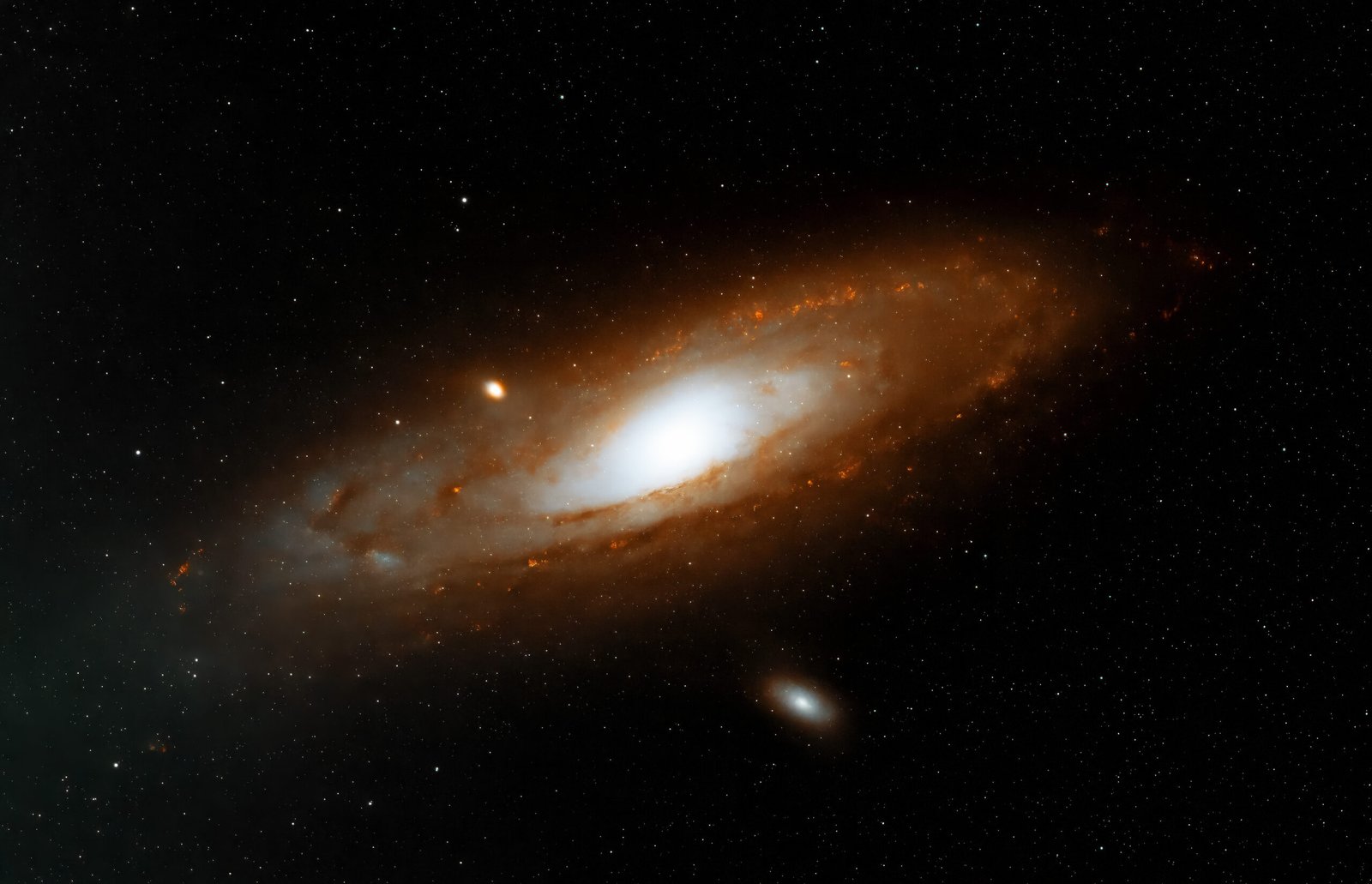
The Andromeda Galaxy (M31): Imagine standing under a pitch-black night sky, looking up at the spectacular Andromeda Galaxy. It feels impossibly massive, packed with a trillion stars and endless energy. Yet, modern science hints at a mind-bending truth: if you add up everything in the cosmos, the total energy of the universe is exactly zero.
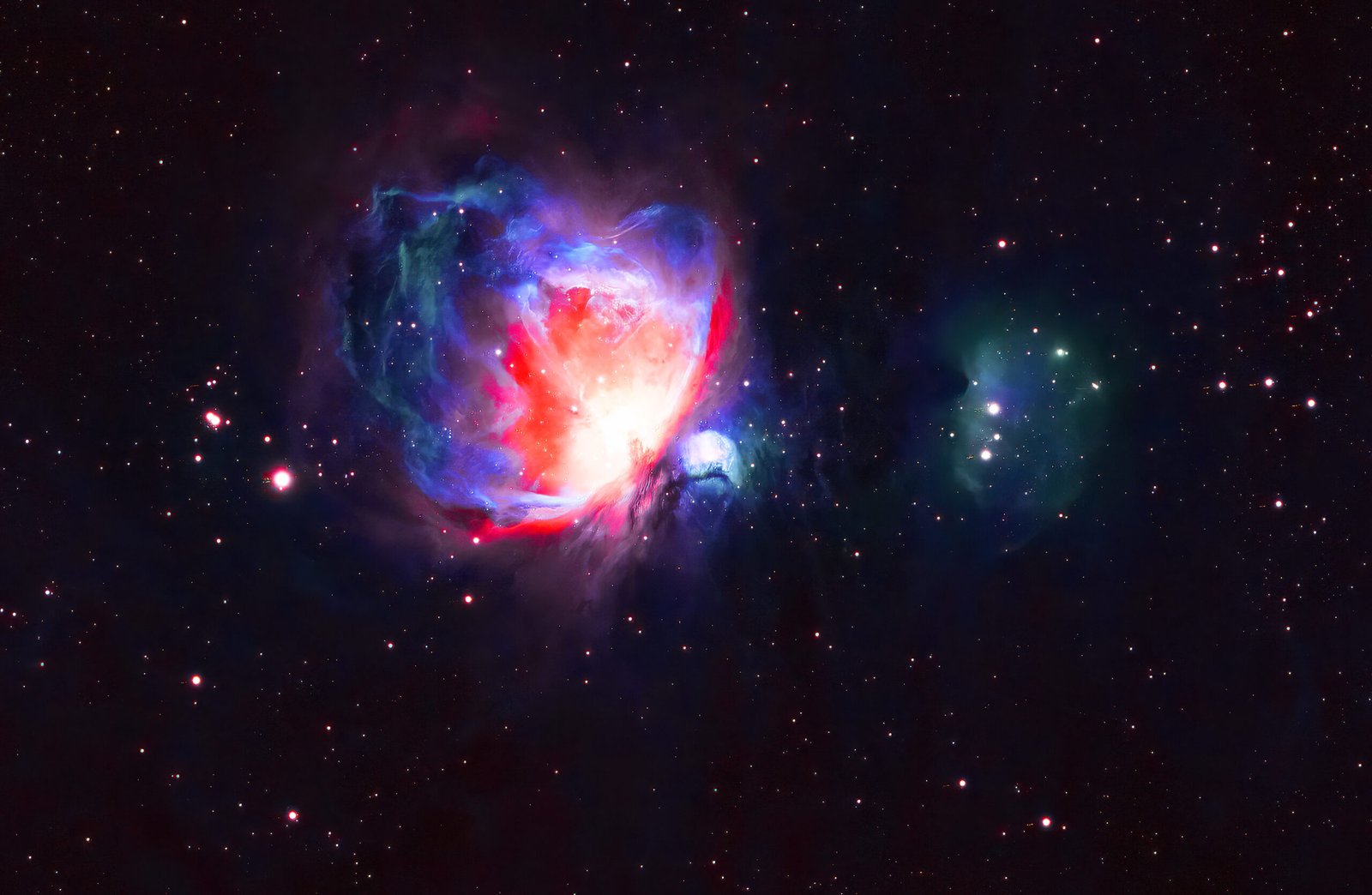
The Orion Nebula (M42): The blazing, high-energy core of Orion shows us positive mass-energy at its most violent. Yet, this entire glowing factory of newborn stars is held in a perfect structural balance by its own invisible gravitational debt.
Final Thoughts
When we capture the light of distant galaxies on our camera sensors at astroanderson.com, we aren’t just looking at pretty space targets. We are looking at a perfectly balanced cosmic equation.
The stars, the planets, and you and I are all real, but we are sustained by the invisible weight of gravity. We exist because “nothing” split itself open, creating an equal measure of light and shadow—a universe born from a microscopic whisper, costing absolutely nothing at all.
Click on the equation to view the more scientific version