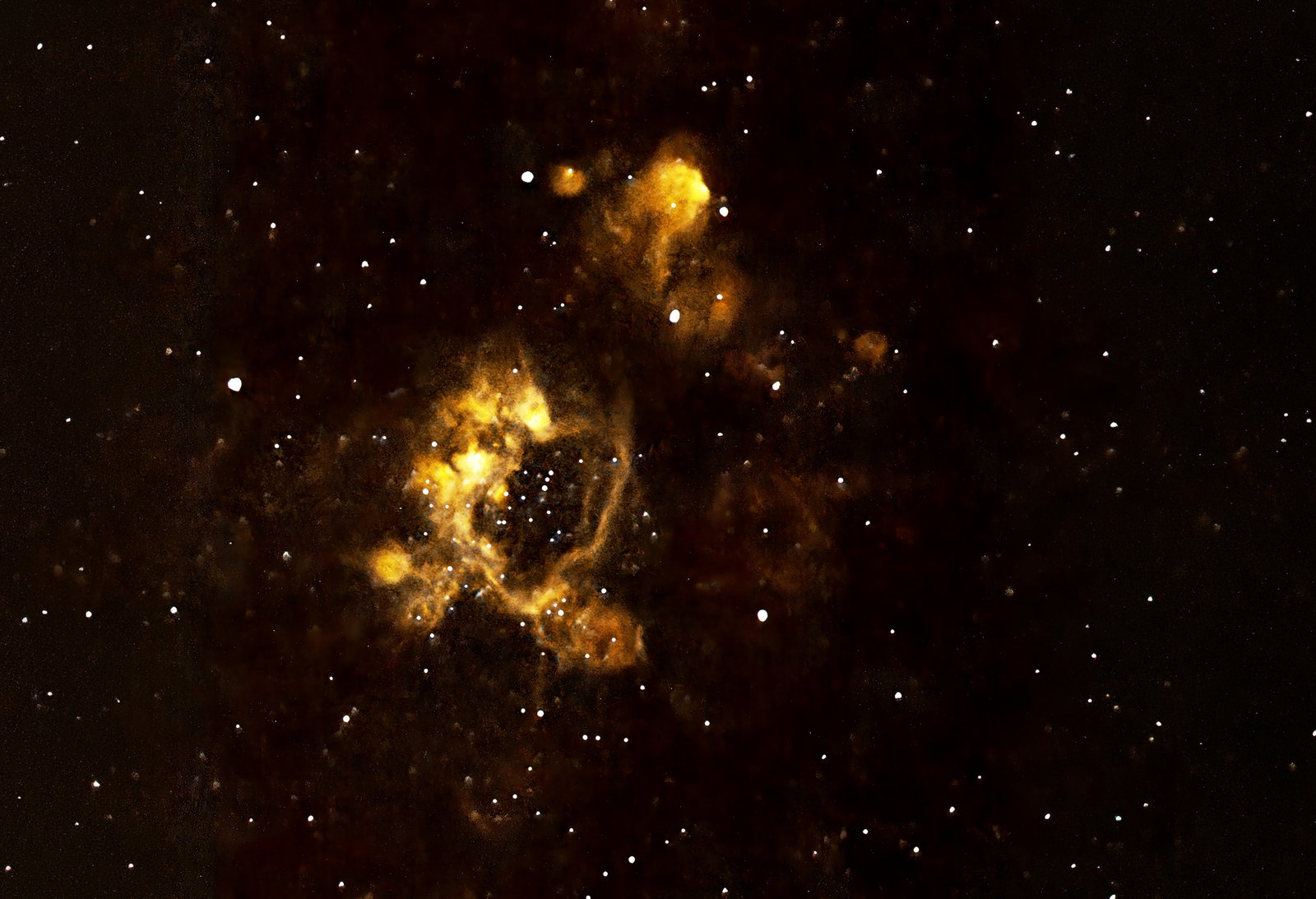
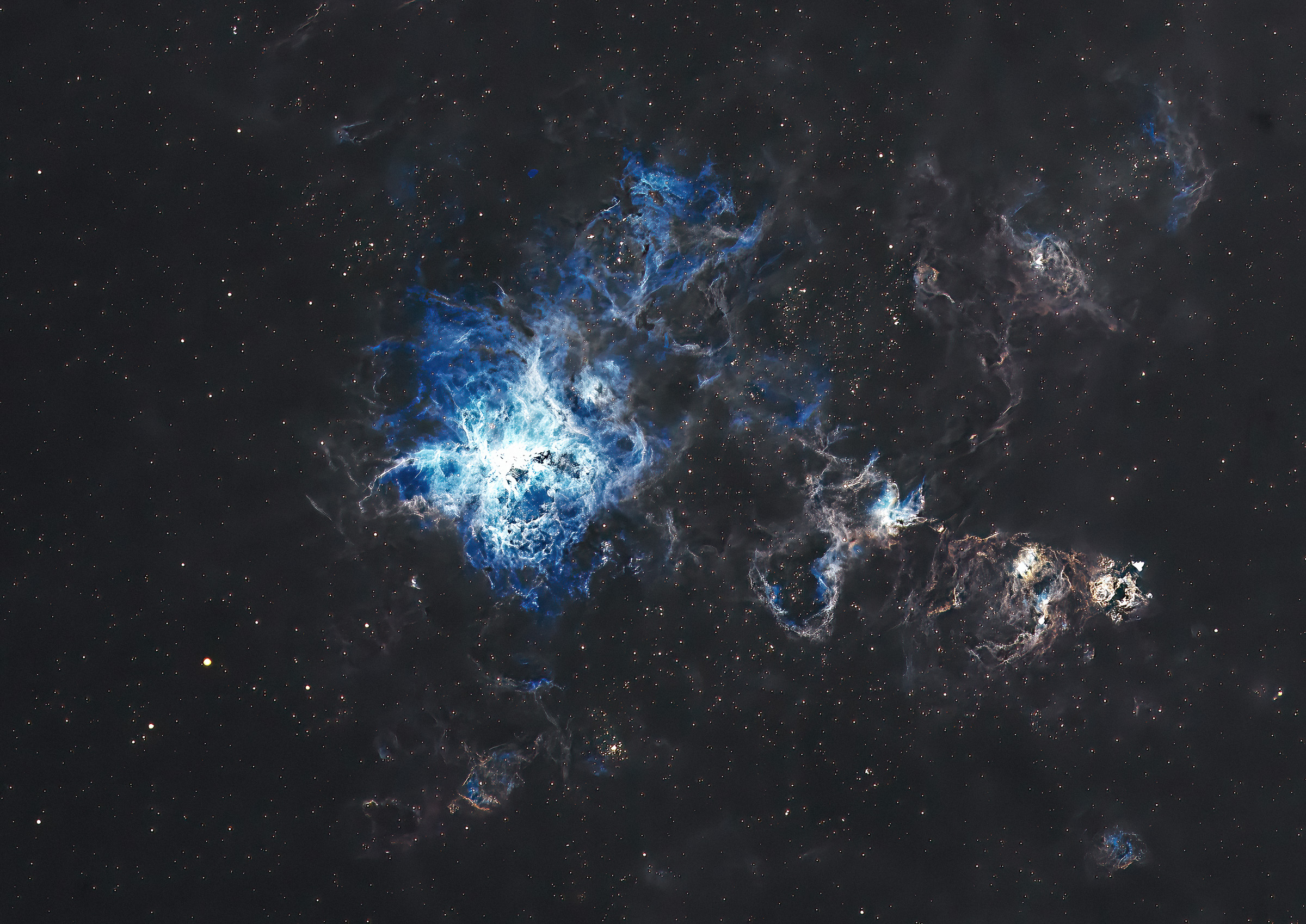
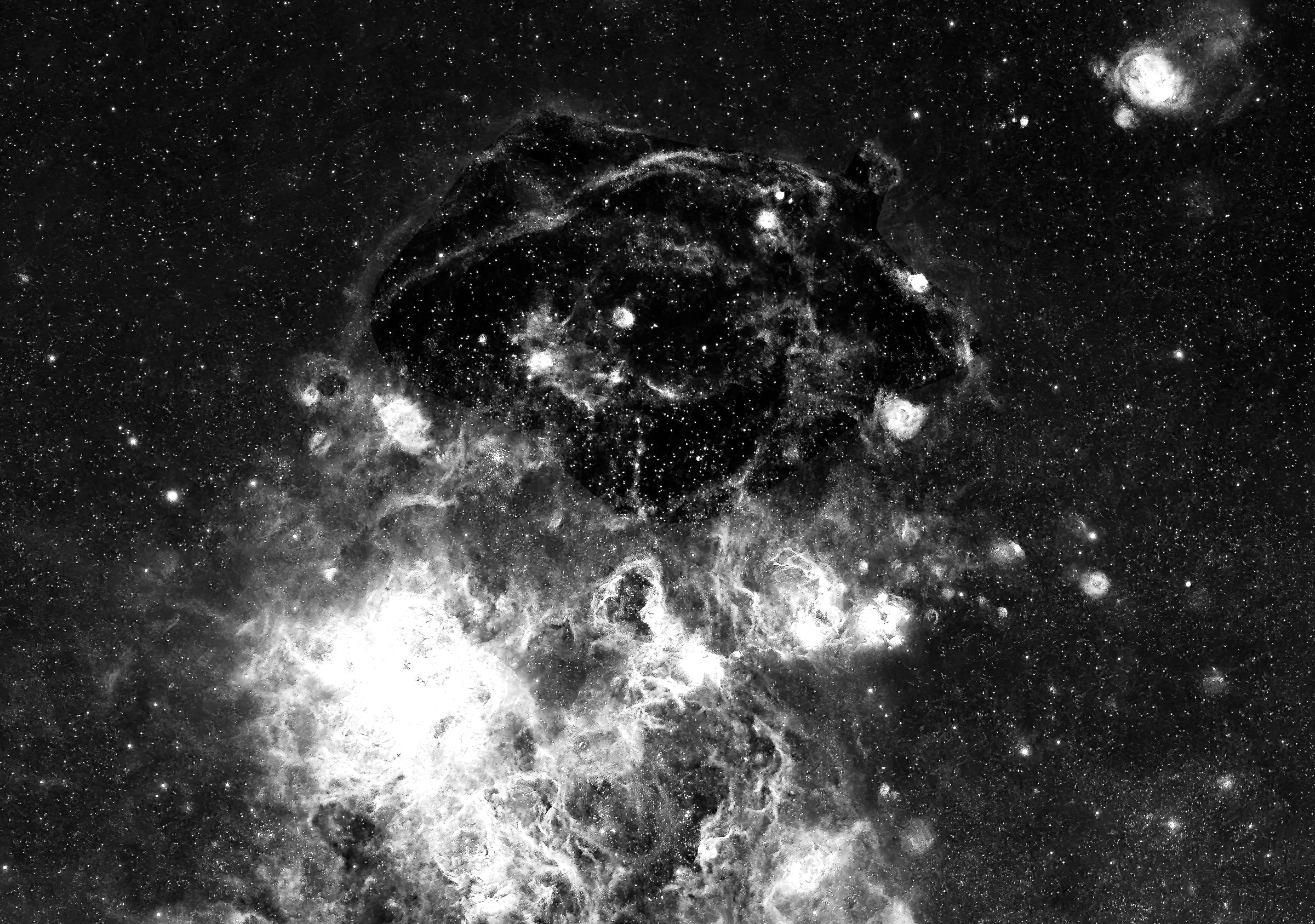
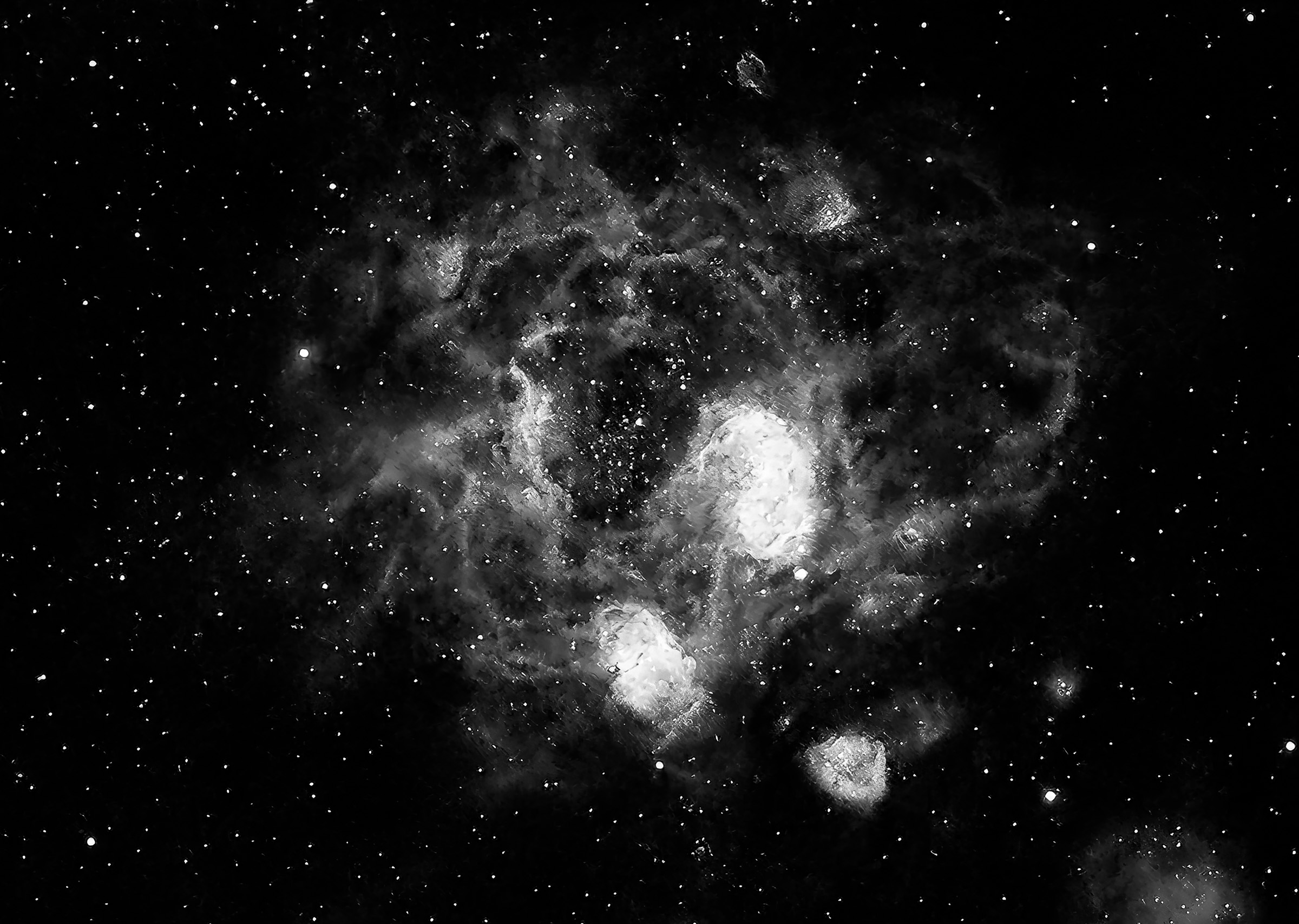
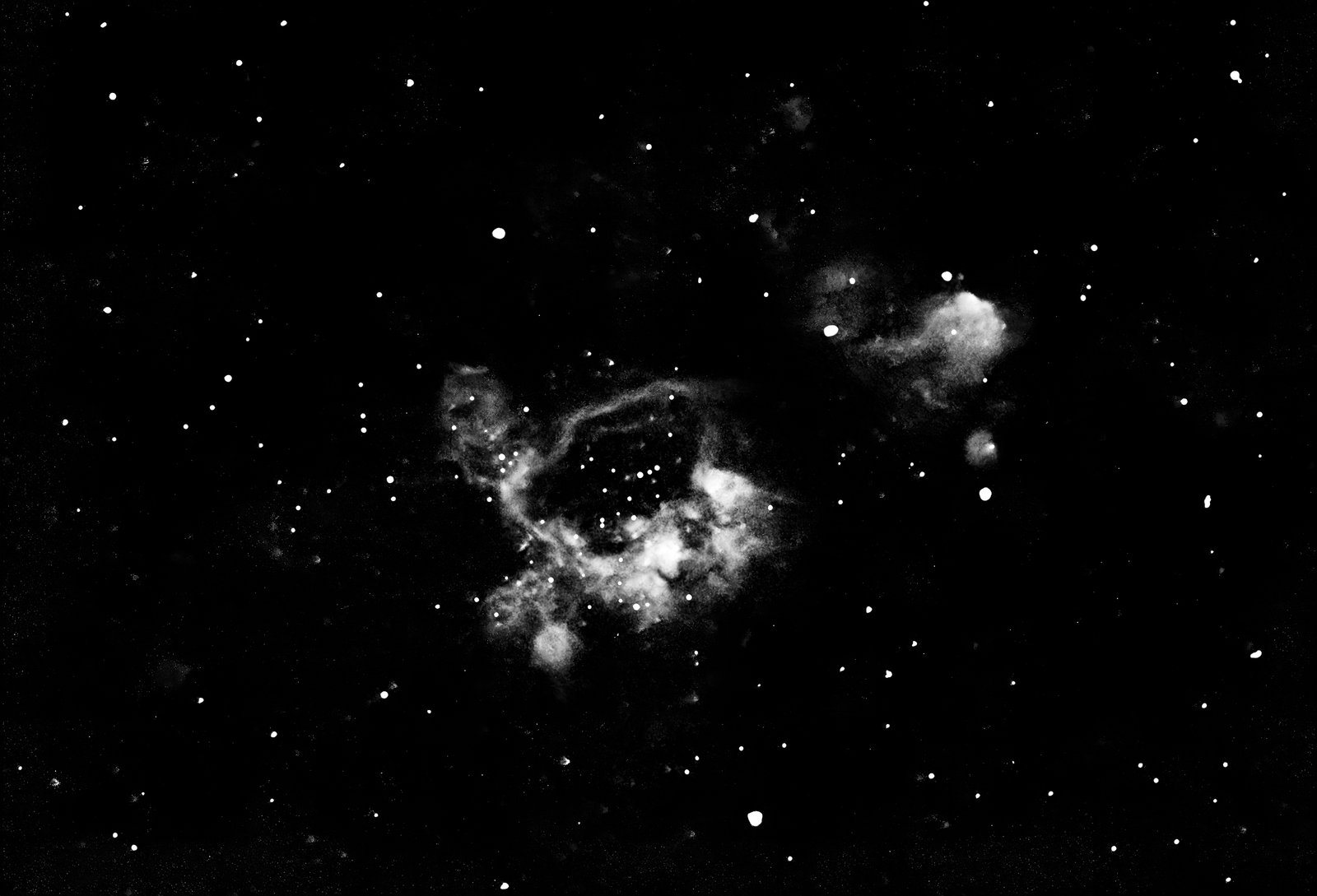
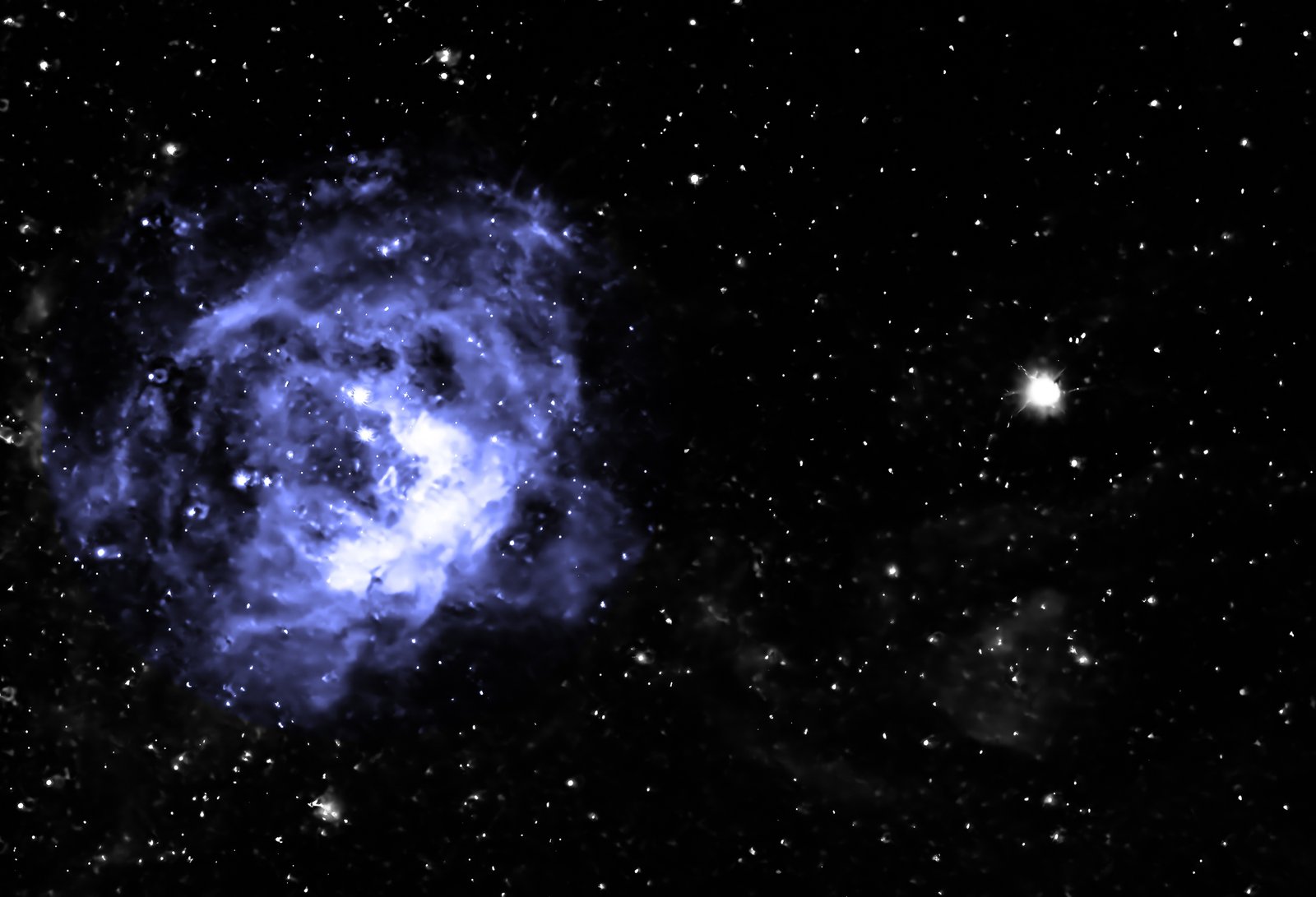
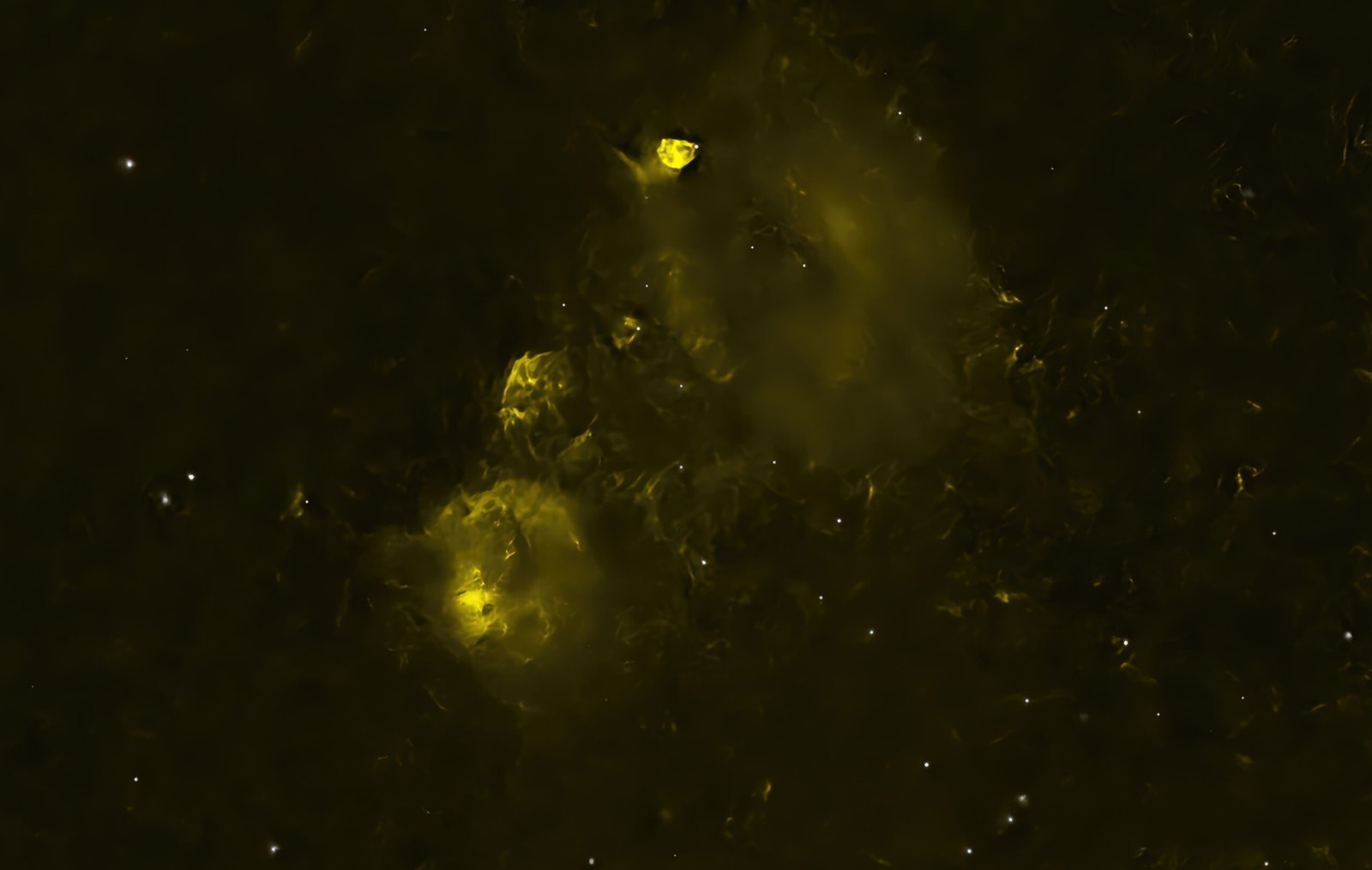
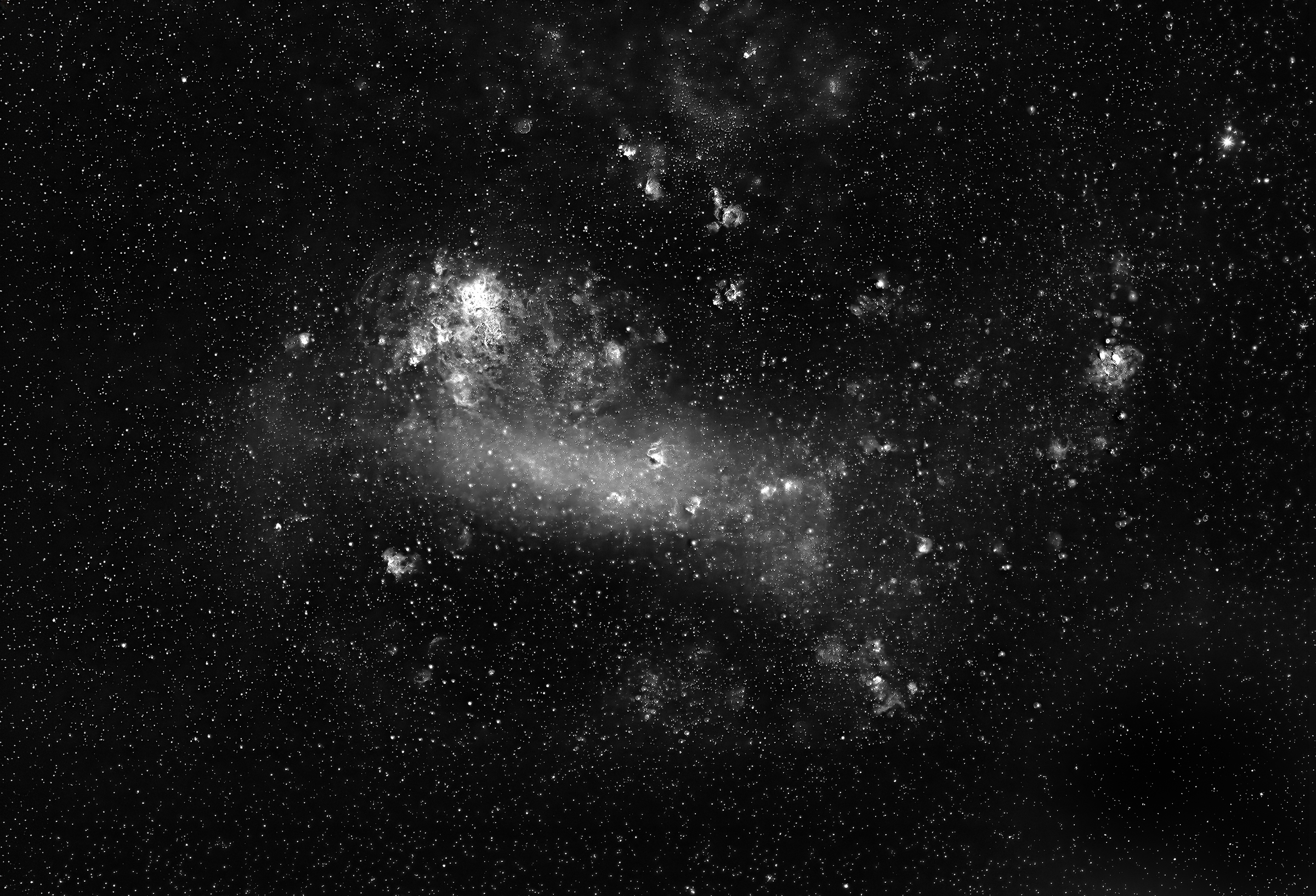
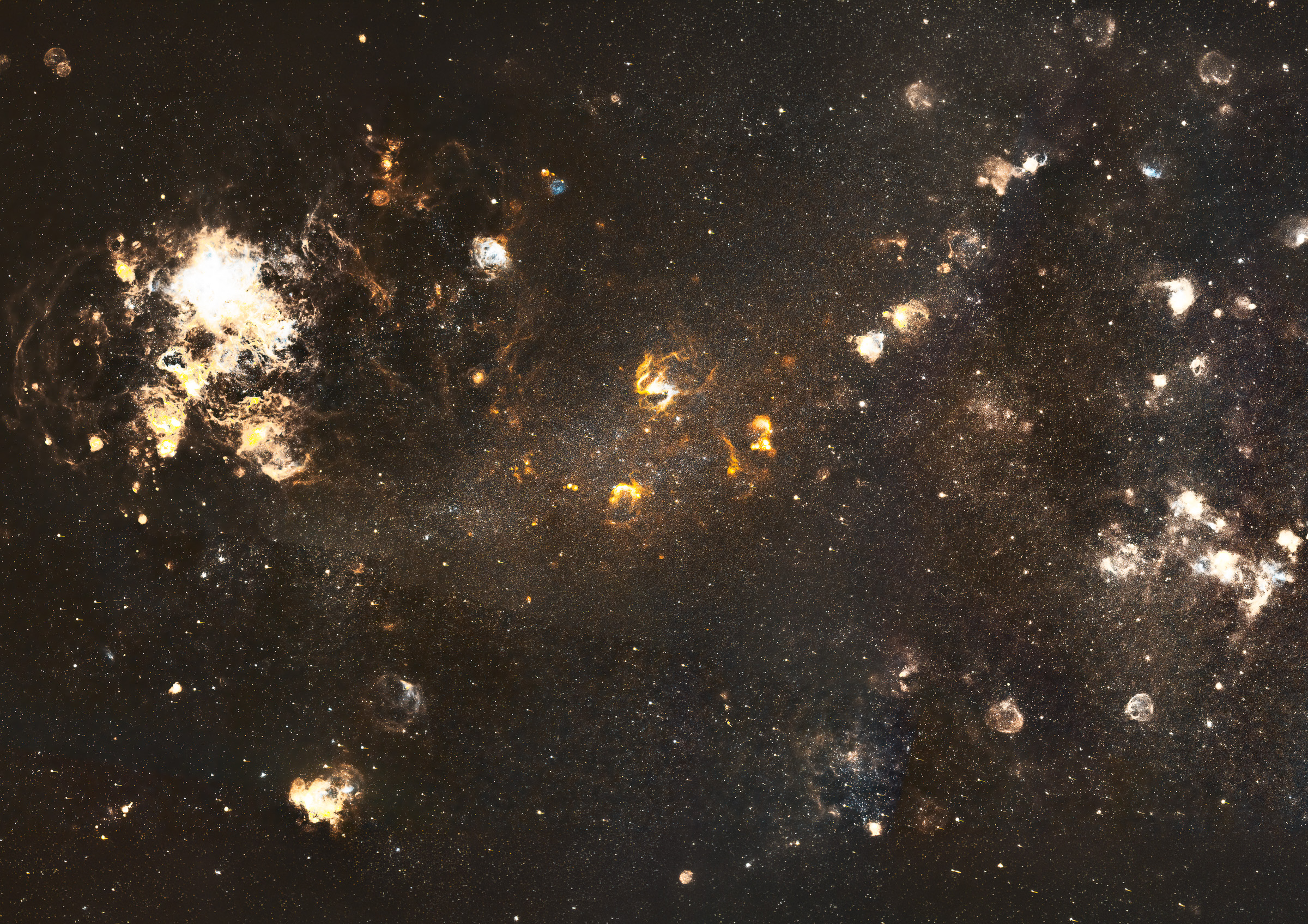
Aboriginal Australian astronomy can be considered as one of the oldest continuing astronomical traditions in the world; across the continent, different Language Groups view the Large and Small Magellanic Clouds as interconnected beings: for example, in the Northern Territory, the clouds are known as Jukara, celestial camps of an elderly man (the Large Magellanic Cloud) and an elderly woman (the Small Magellanic Cloud).
While indigenous peoples in the Southern Hemisphere had observed the Large Magellanic Cloud (LMC) for millennia, Magellan’s crew were the first Europeans to document it, and, thus, rightly or wrongly, it is named after the Portuguese explorer Ferdinand Magellan, who sailed into the Southern Hemisphere during his global circumnavigation voyage between 1519 and 1522.
In the Mapuche worldview, shared by the indigenous peoples of south-central regions of Chile and the west-central regions of Argentina, the sky is a living, breathing extension of the earth, and everything in it mirrors the natural balance below. In Mapudungun, the Mapuche language (language of the earth), the “Large Magellanic Cloud” is referred to as Rüganko, a celestial reservoir—a sacred, protective home where the universe stores its life-giving waters. Given that I imaged Rüganko in Argentina, that is the term for the object I use in this introduction.
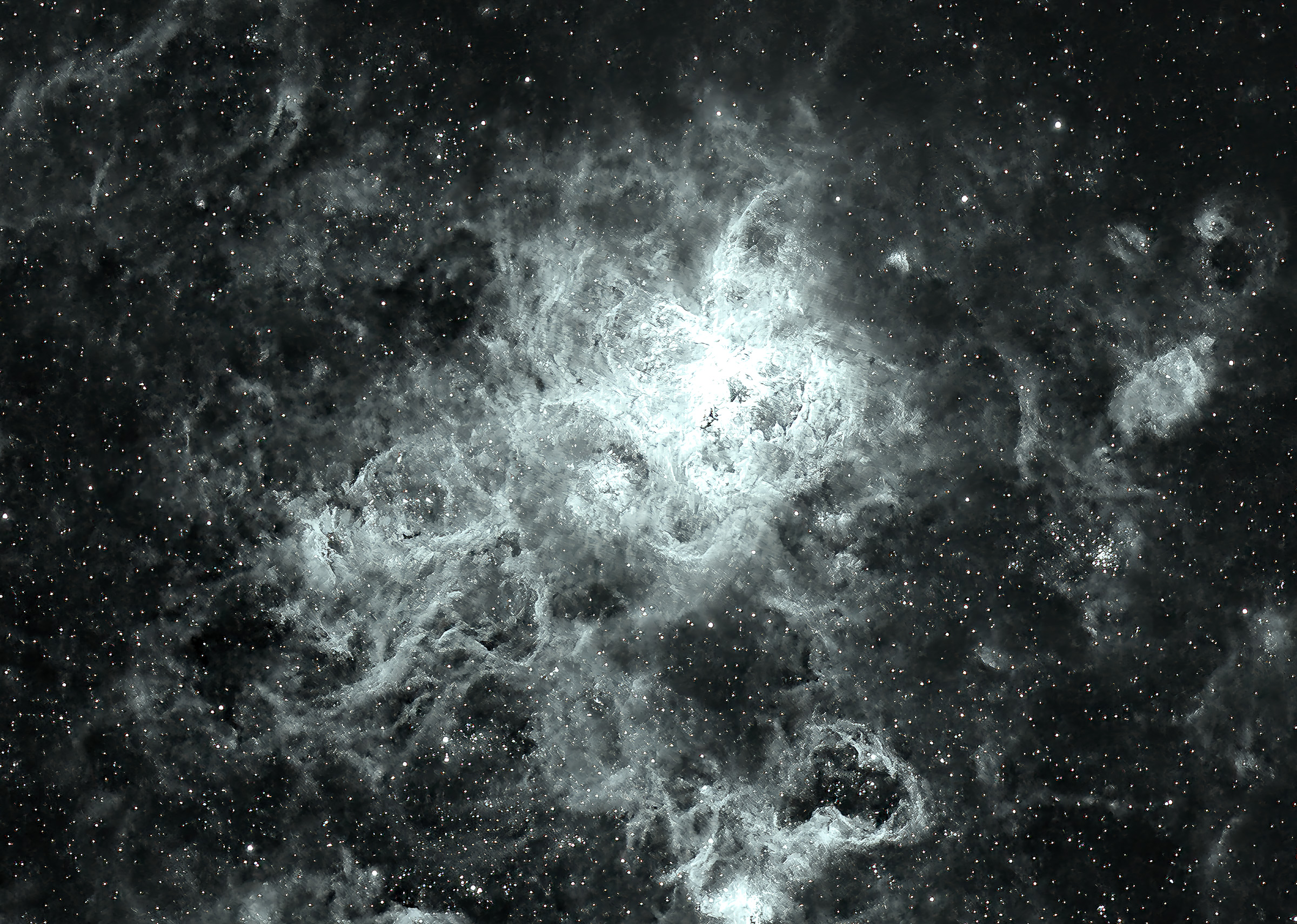
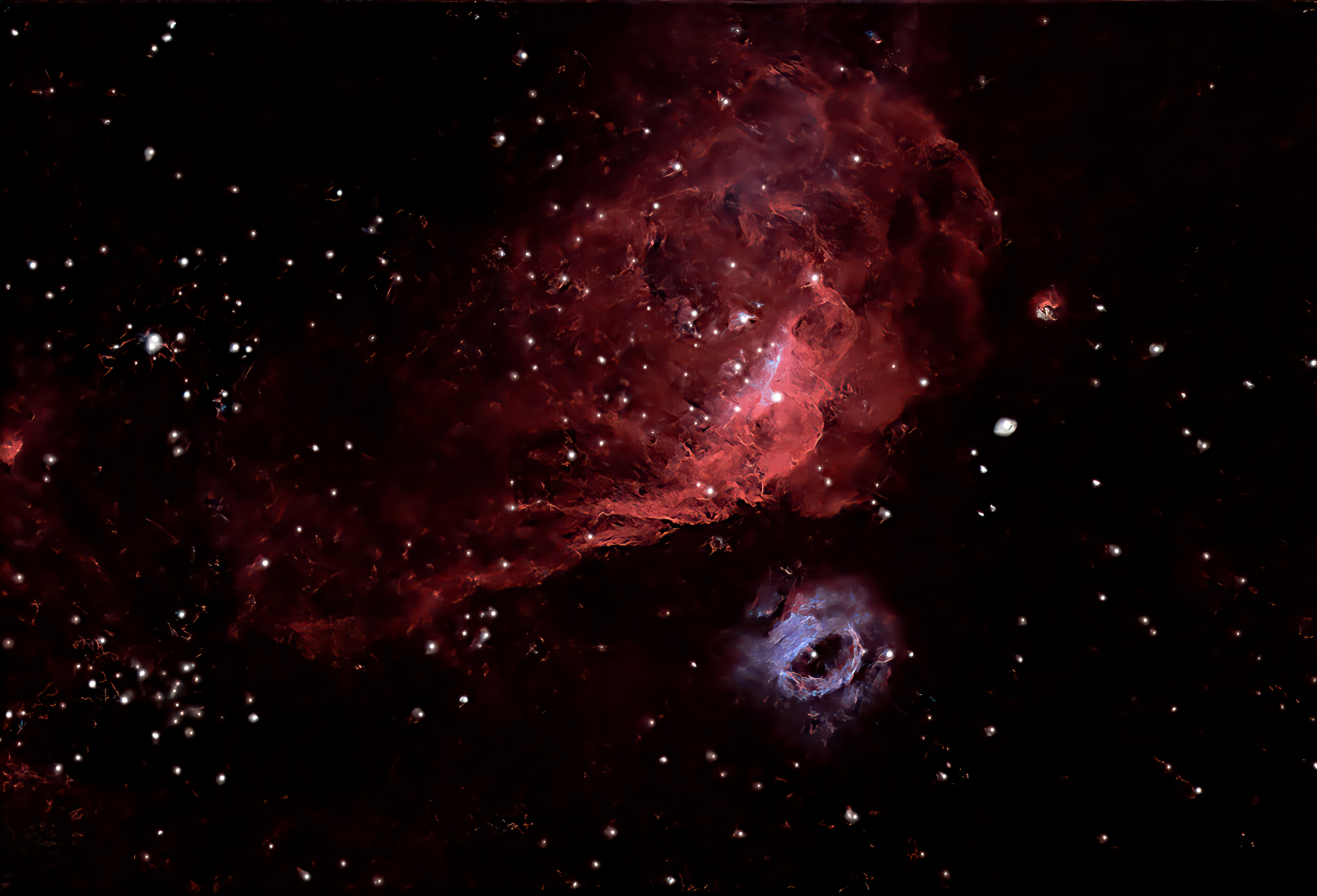
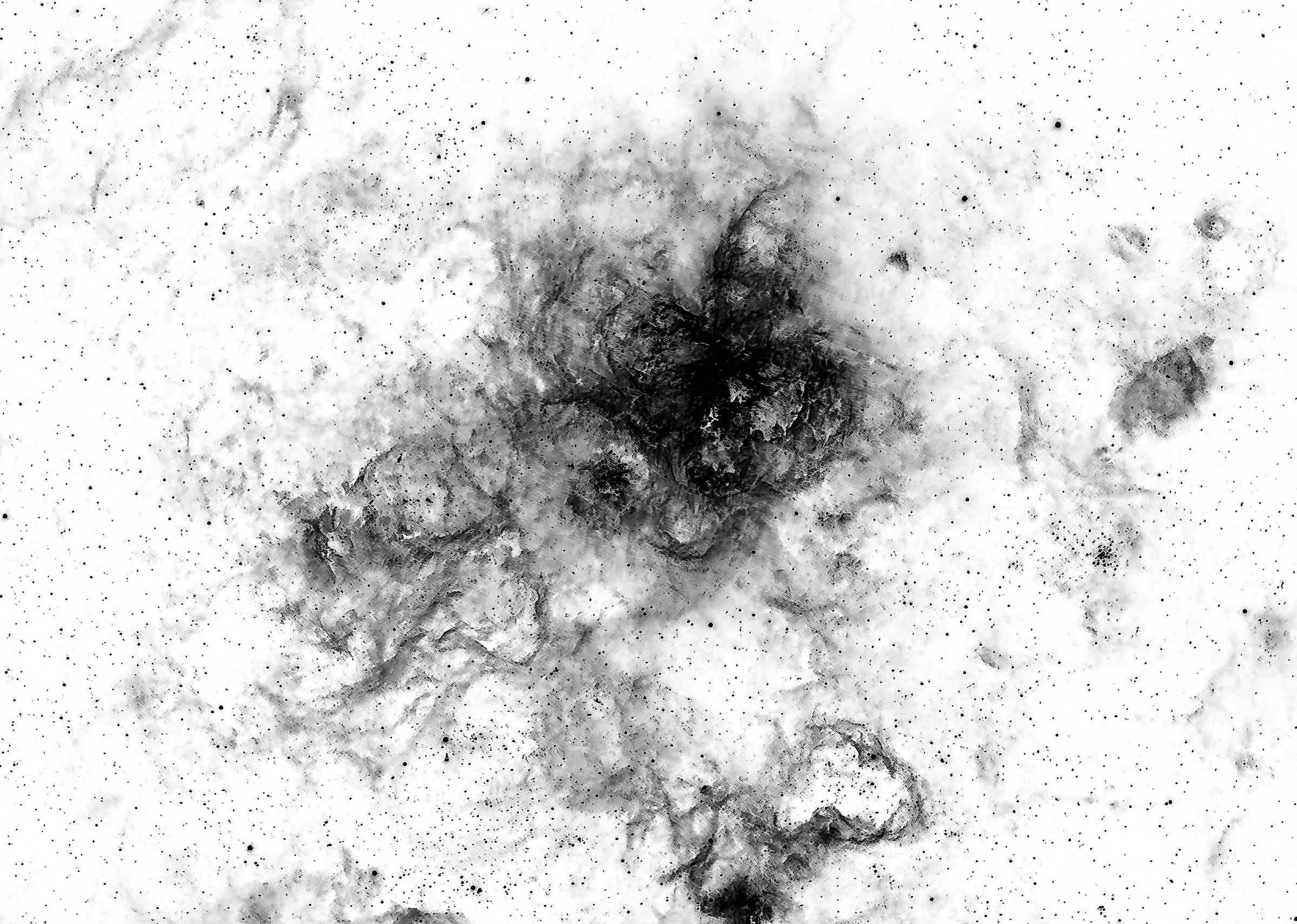
Rüganko is a dwarf satellite galaxy orbiting the Milky Way at a distance of roughly 163,000 light-years. It is about 10% as massive as the Milky Way and predicted to collide and merge with the Milky Way in approximately 2.4 billion years. A stream of neutral hydrogen gas, called the “Magellanic Stream”, connects it to the “Small Magellanic Cloud”. Rüganko’s most well-known internal feature is the Tarantula Nebula.