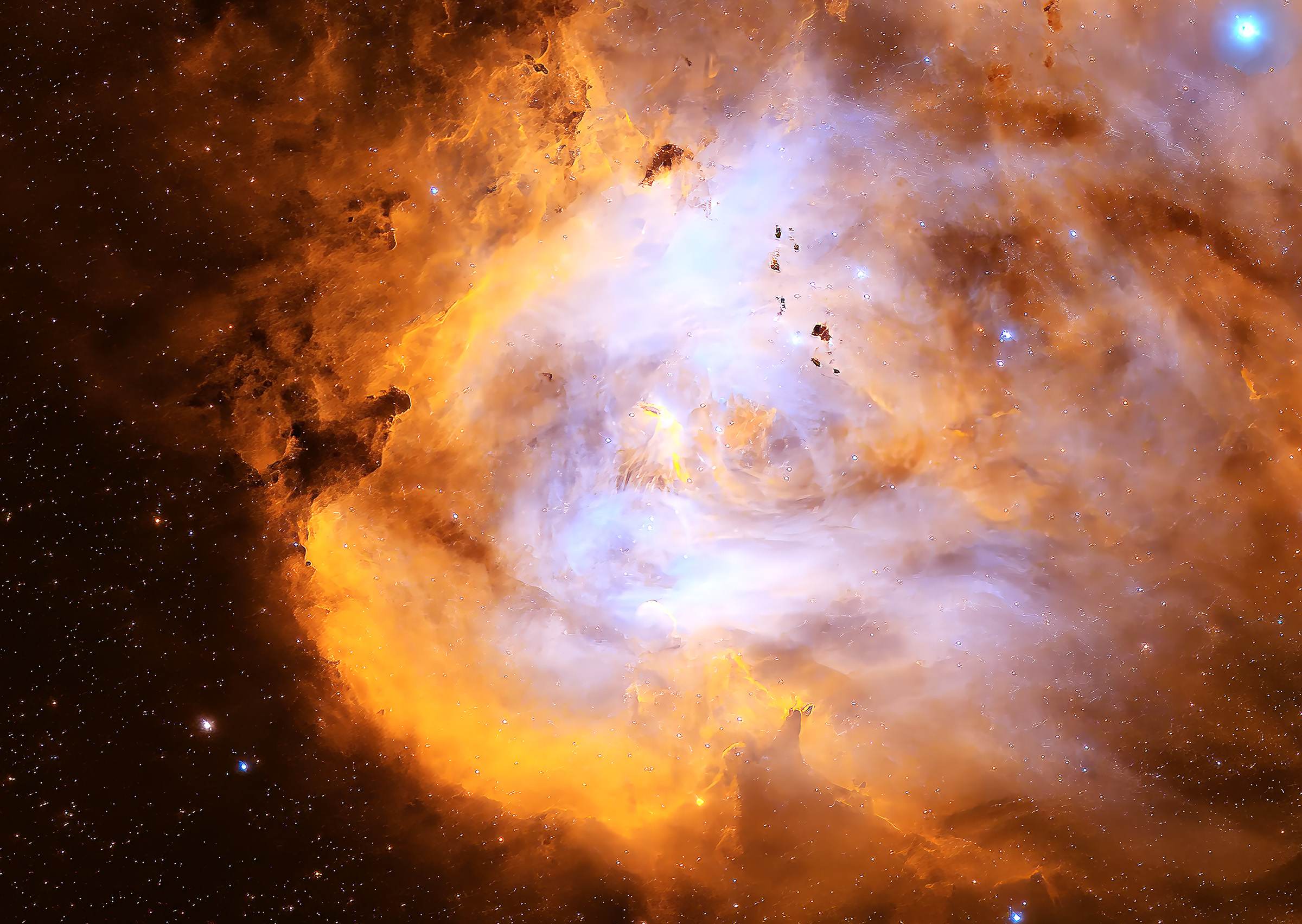
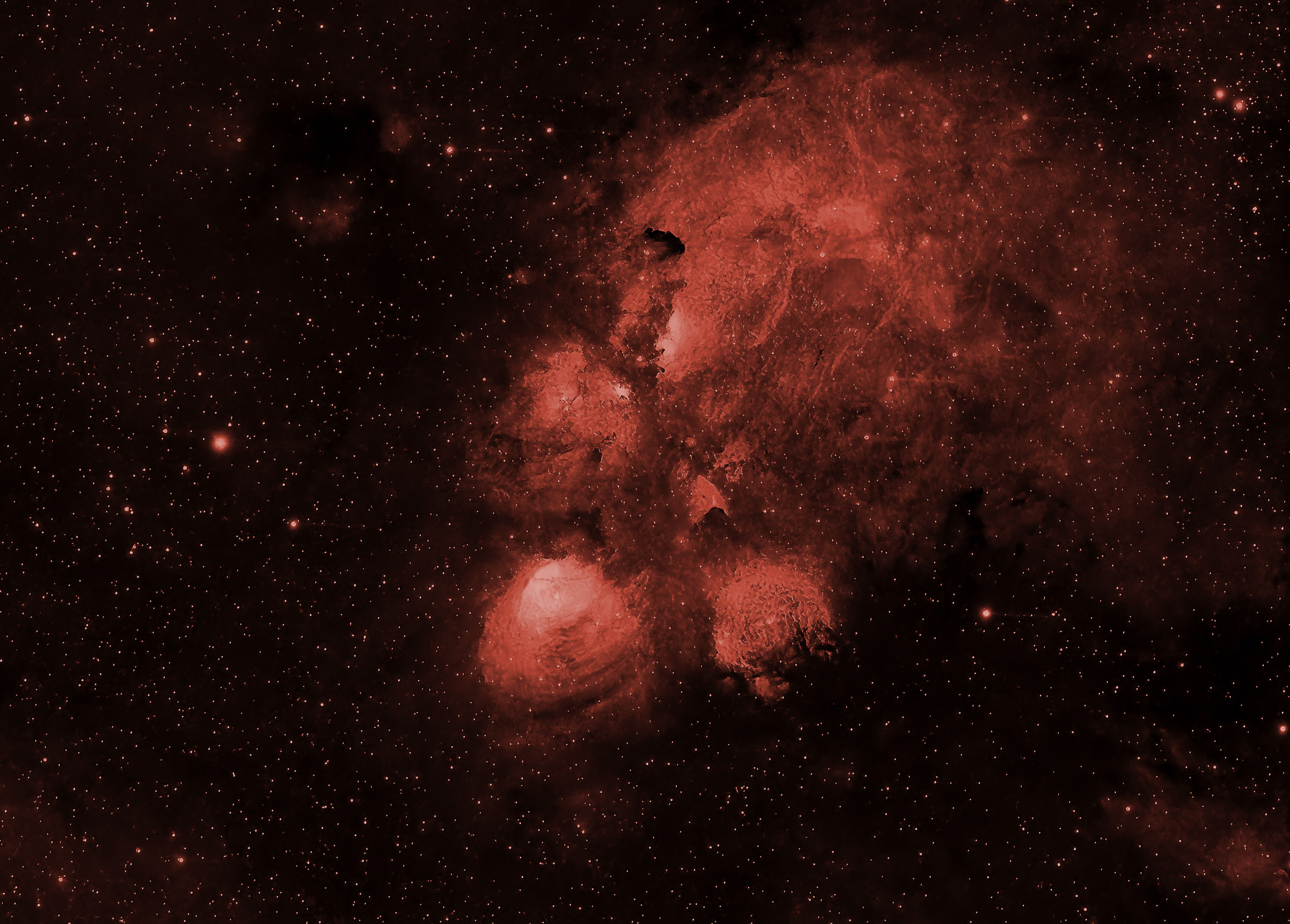
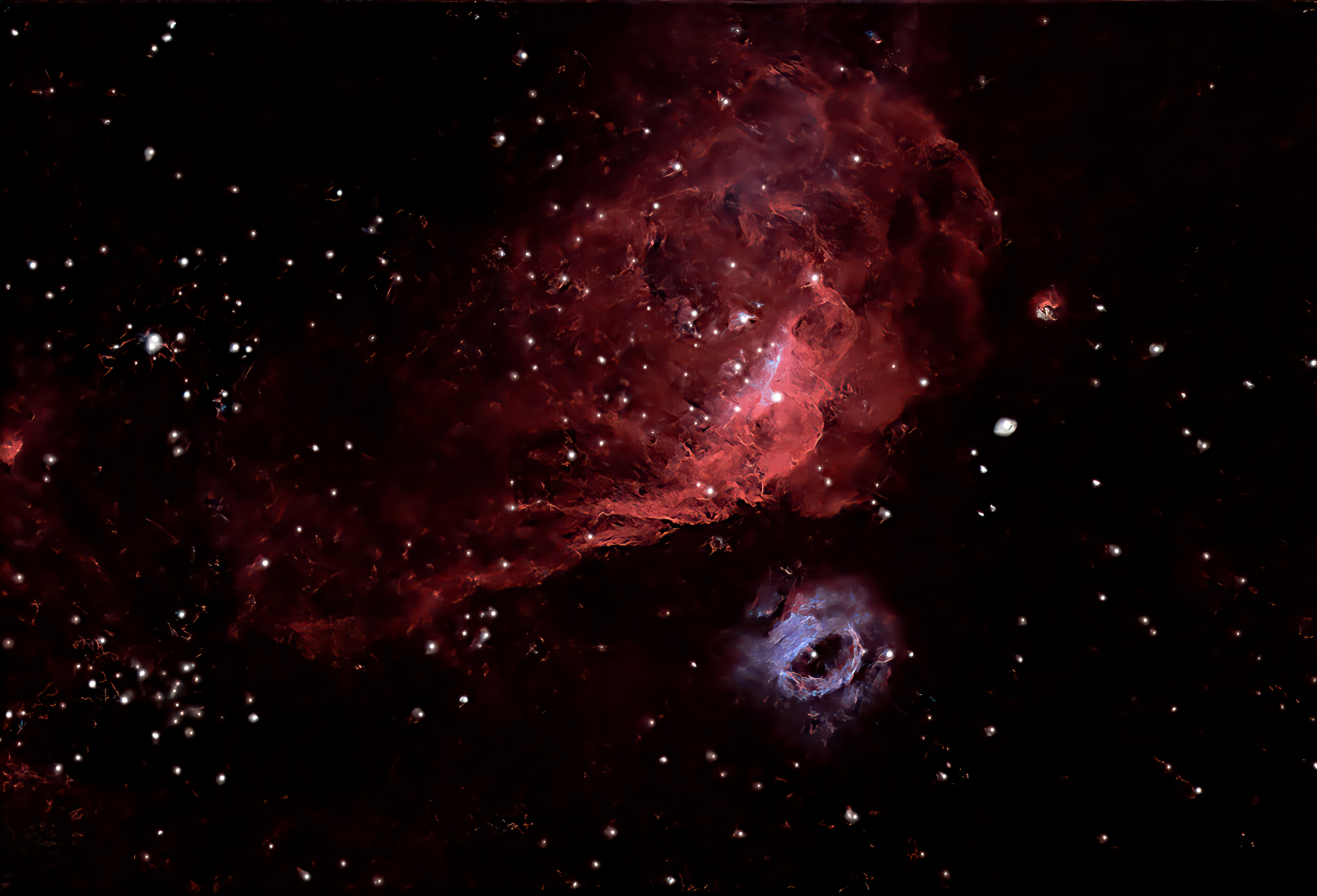
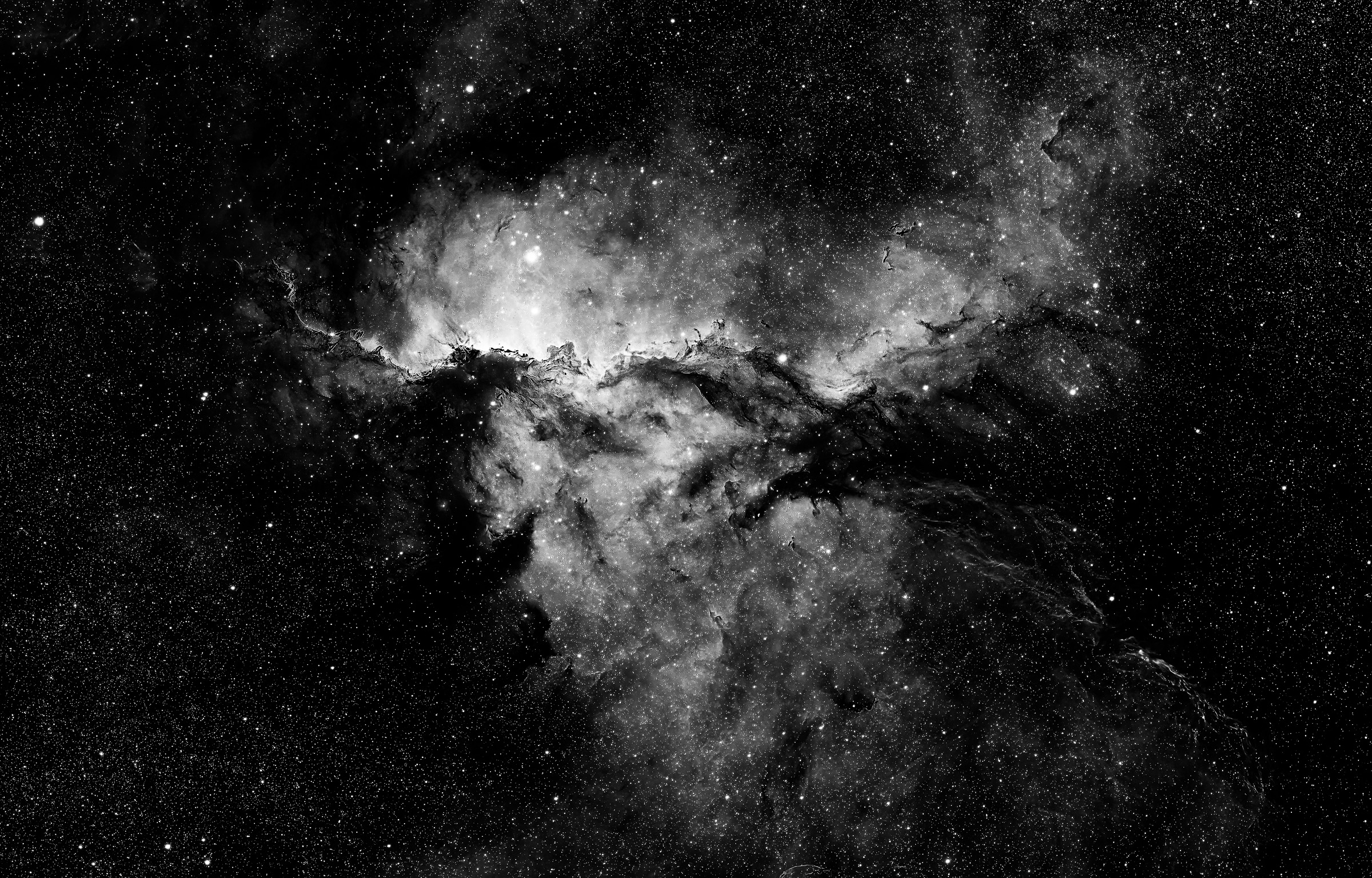
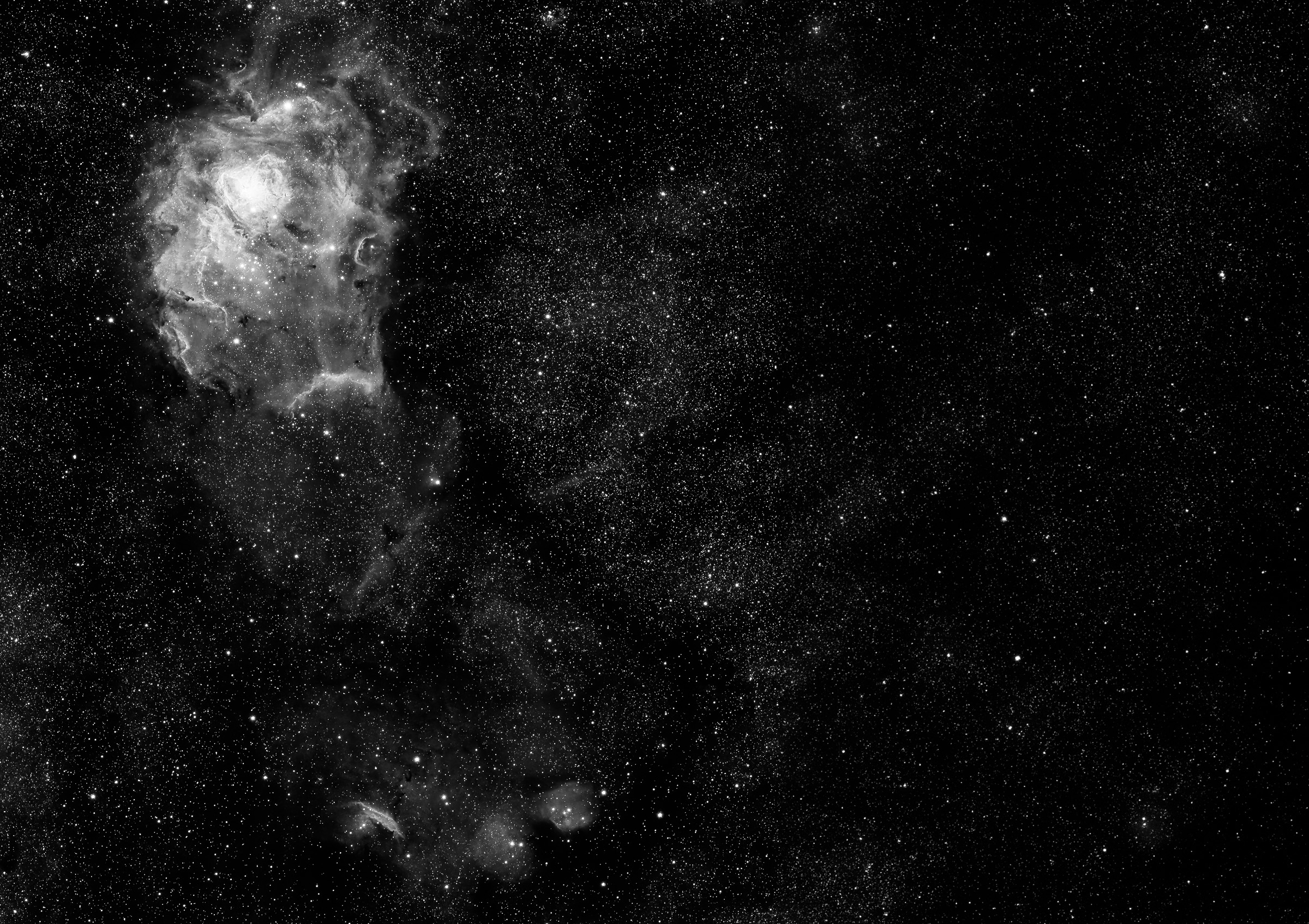
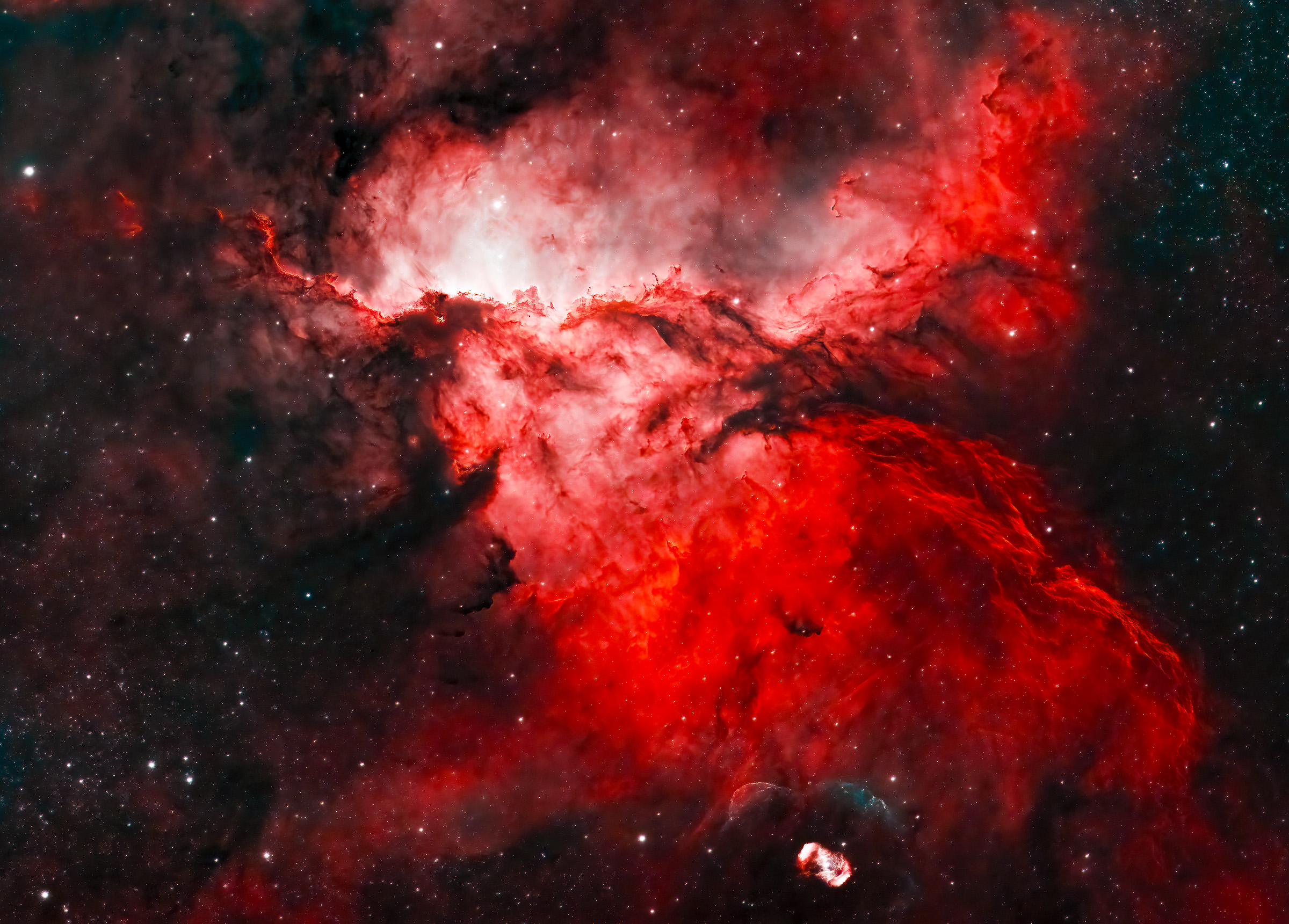
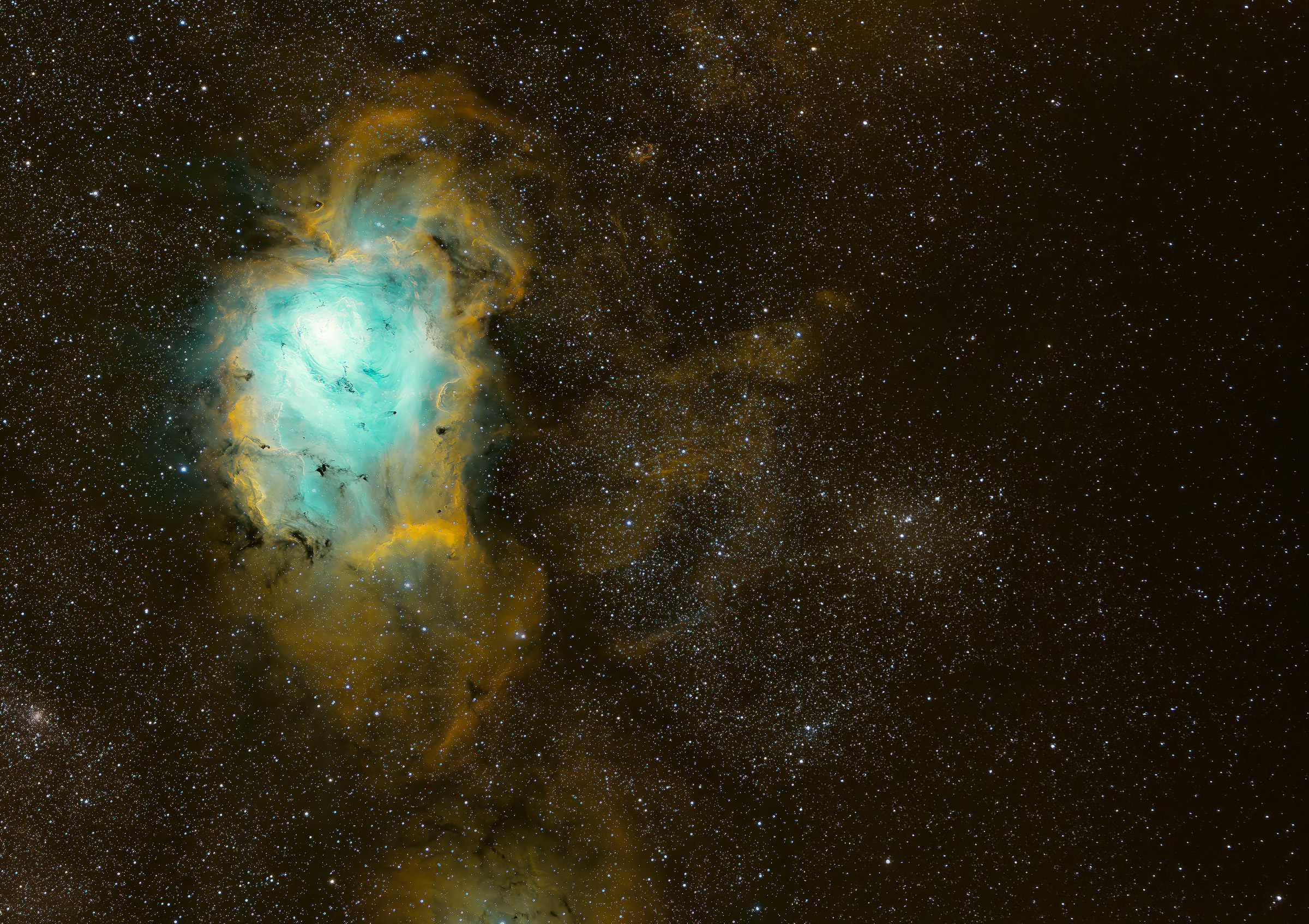
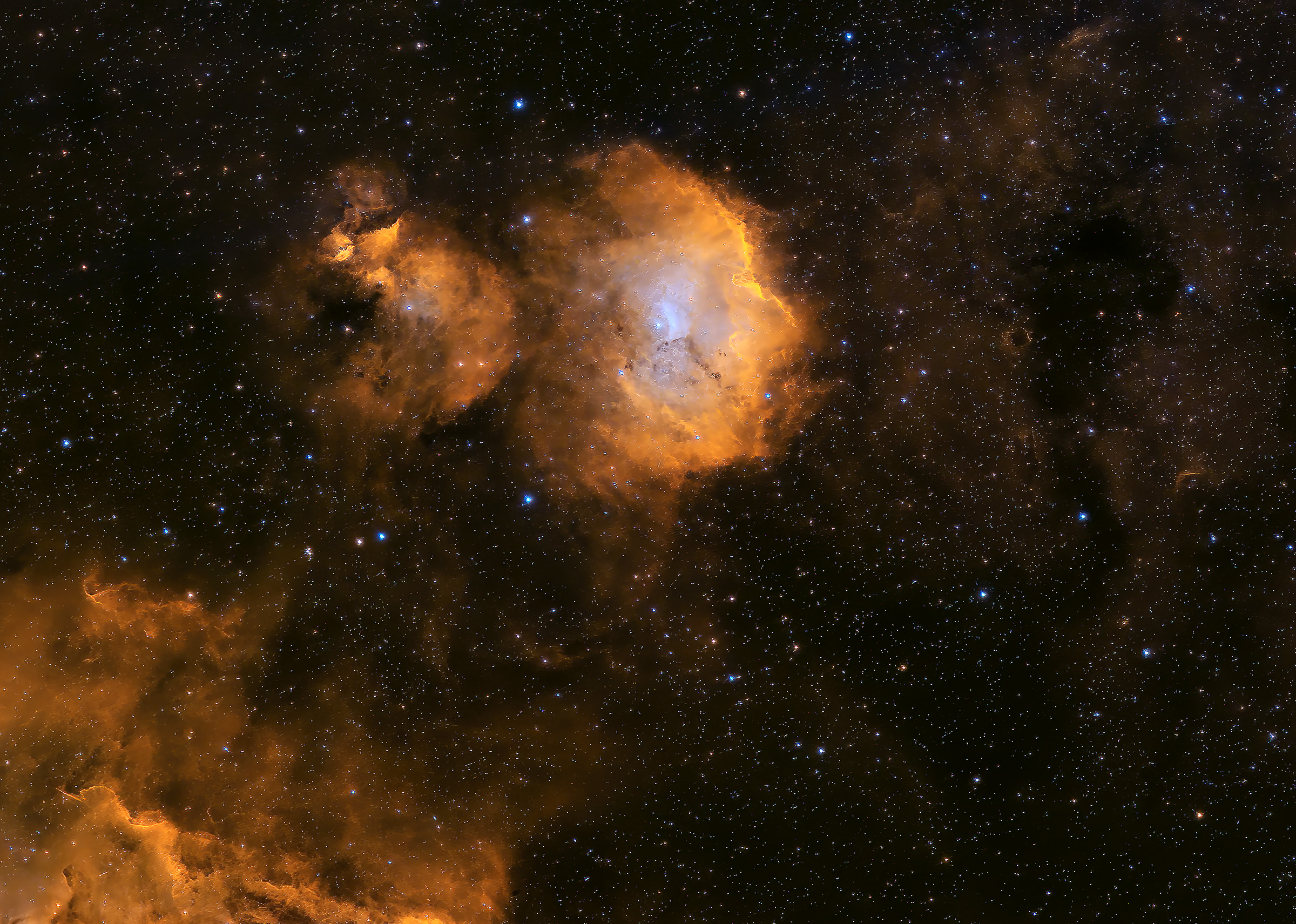
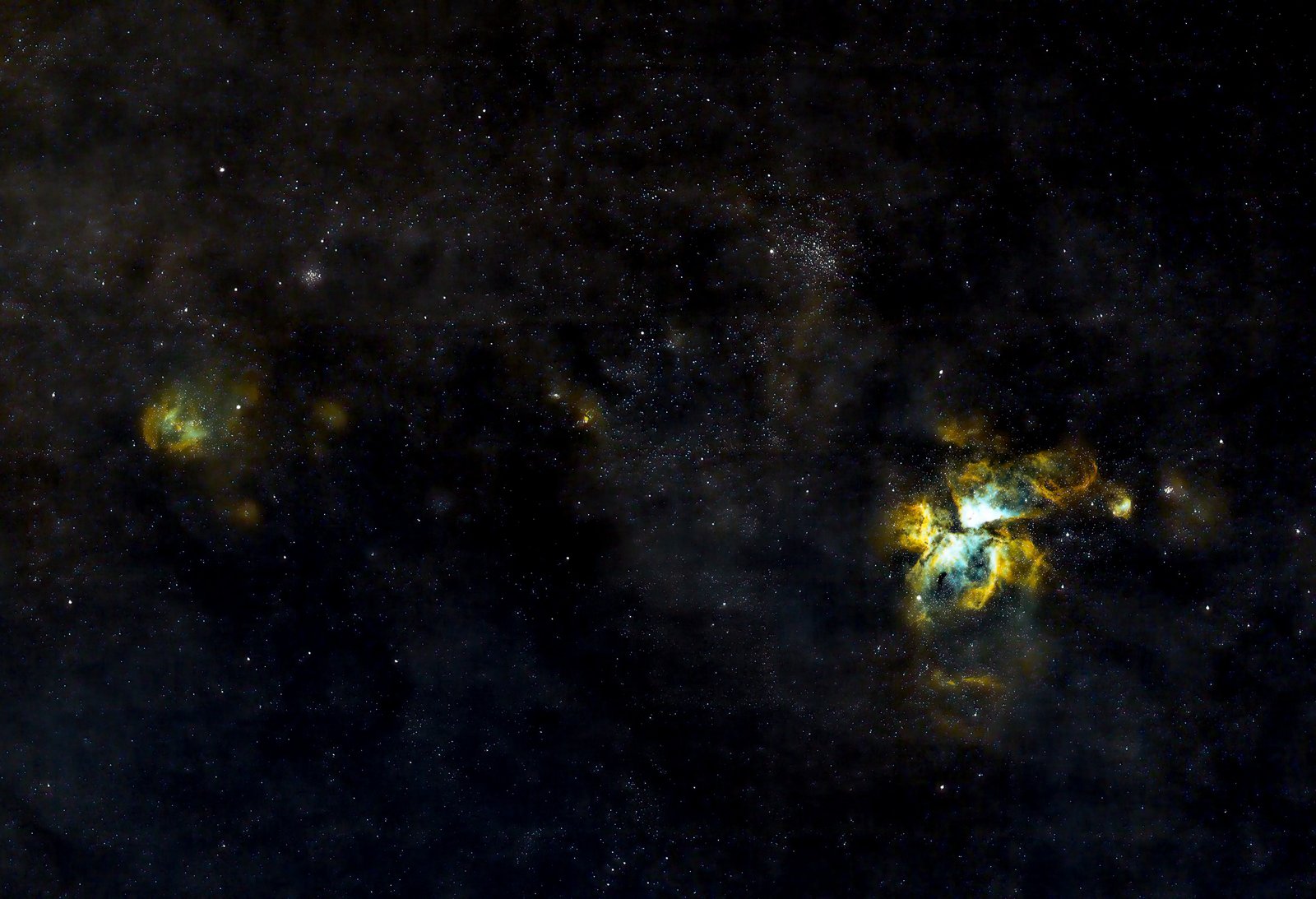
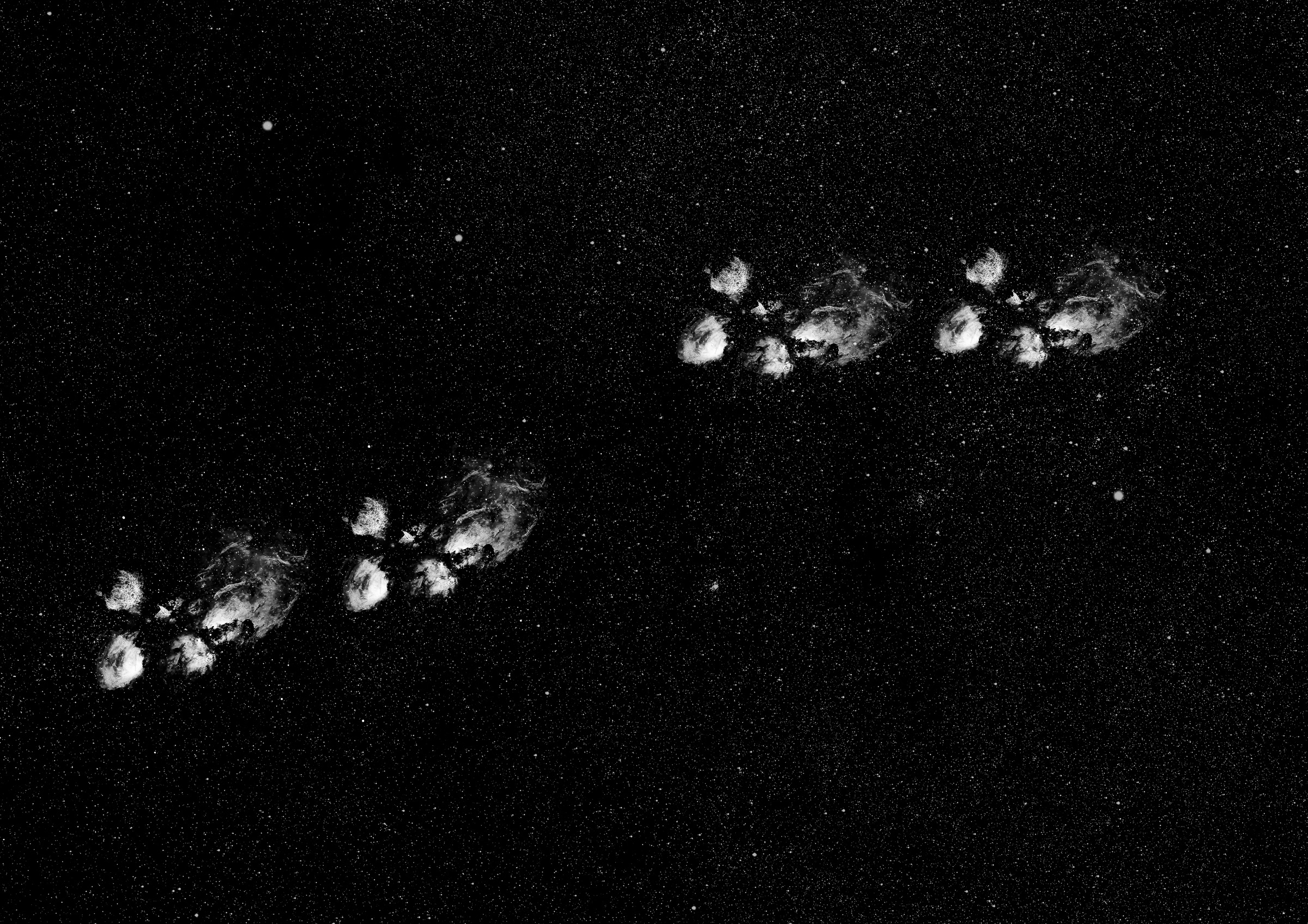
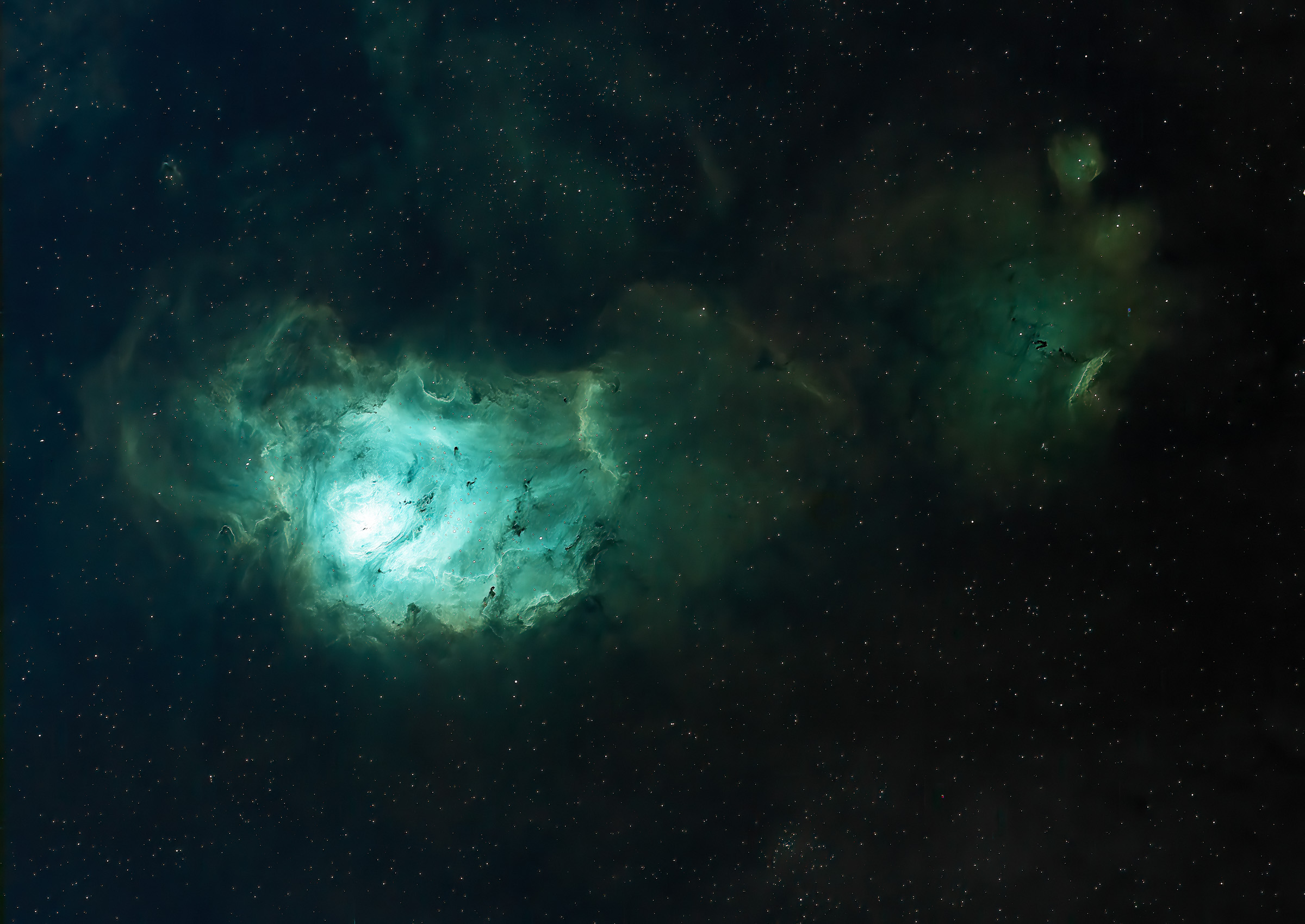
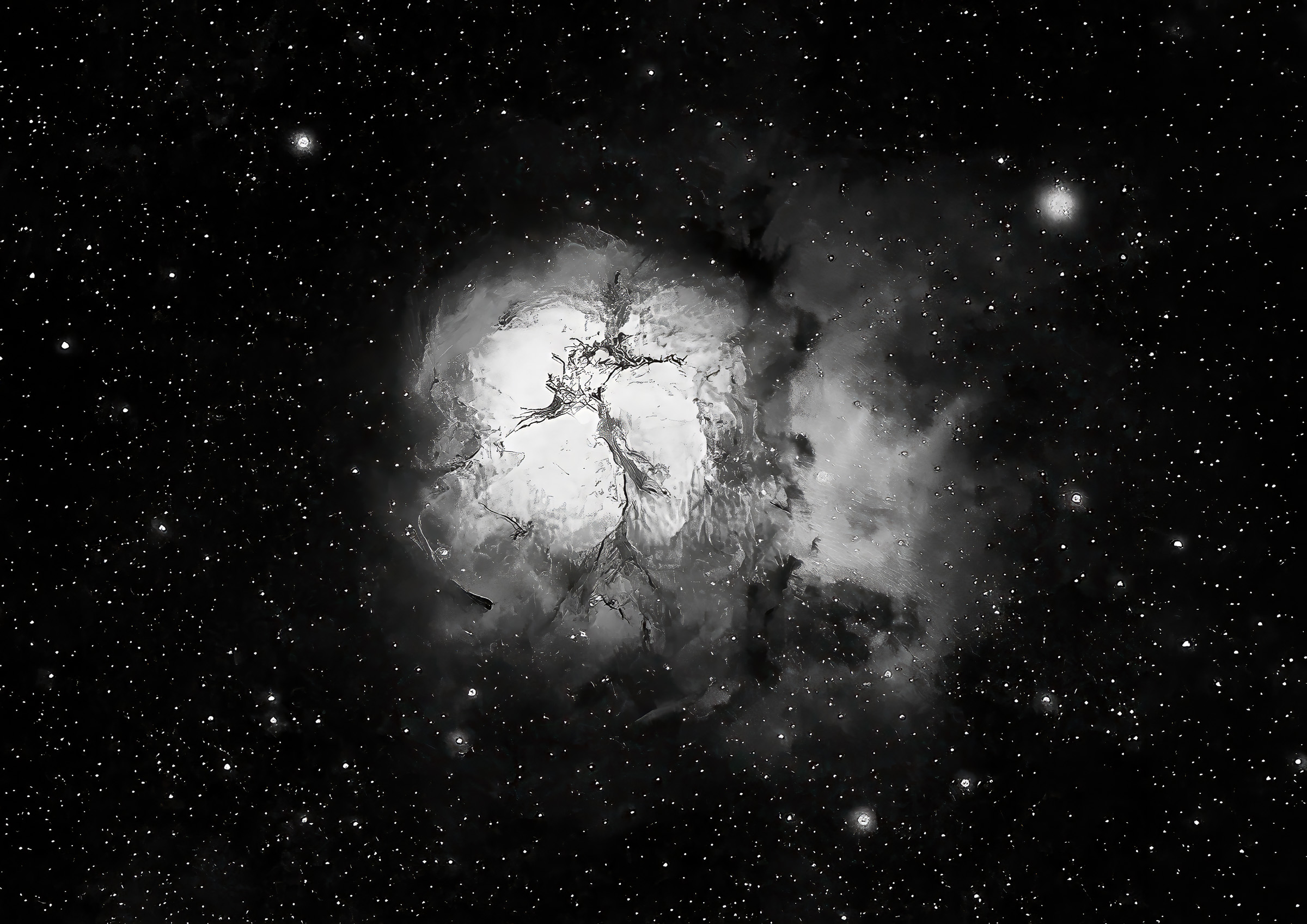
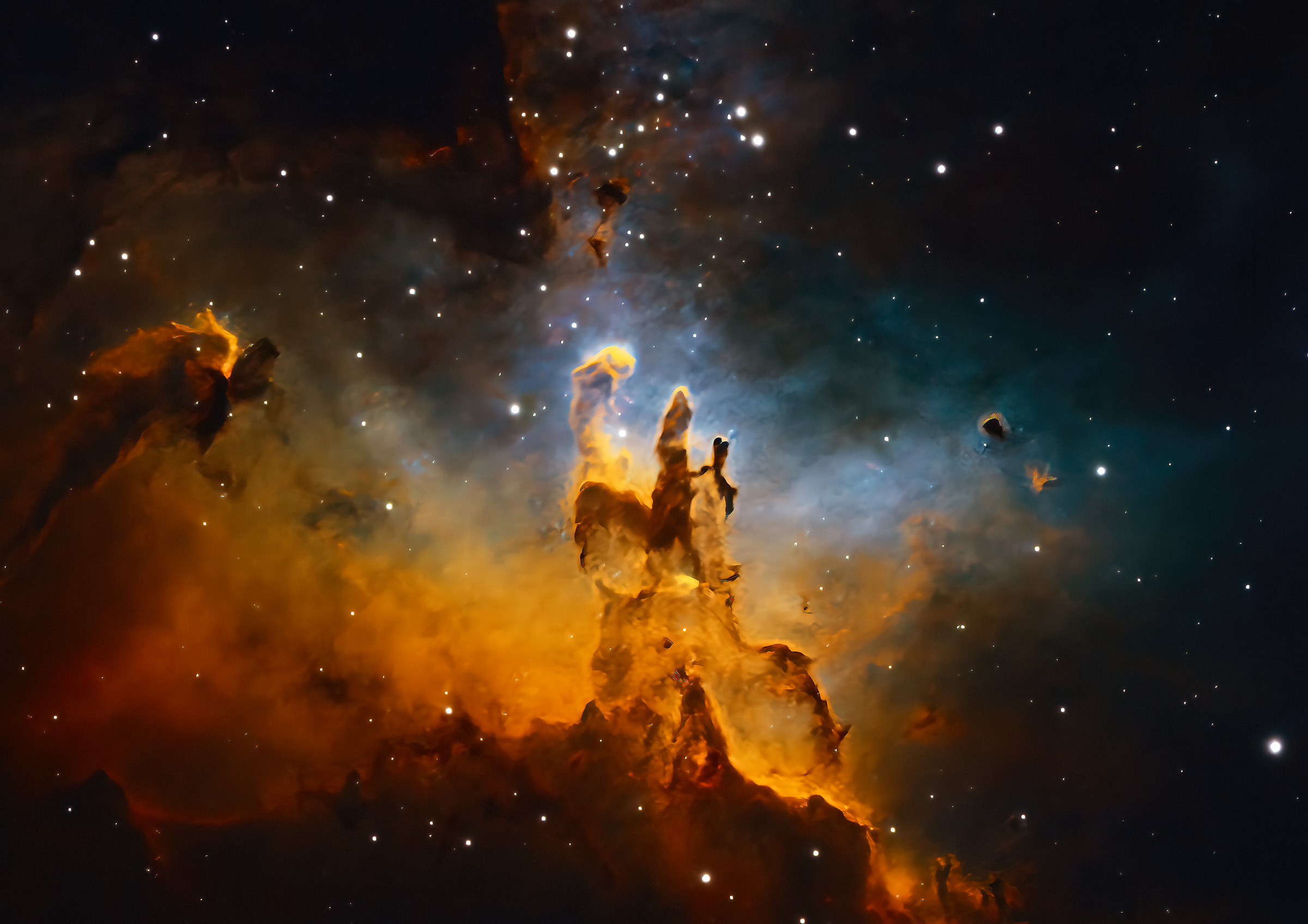
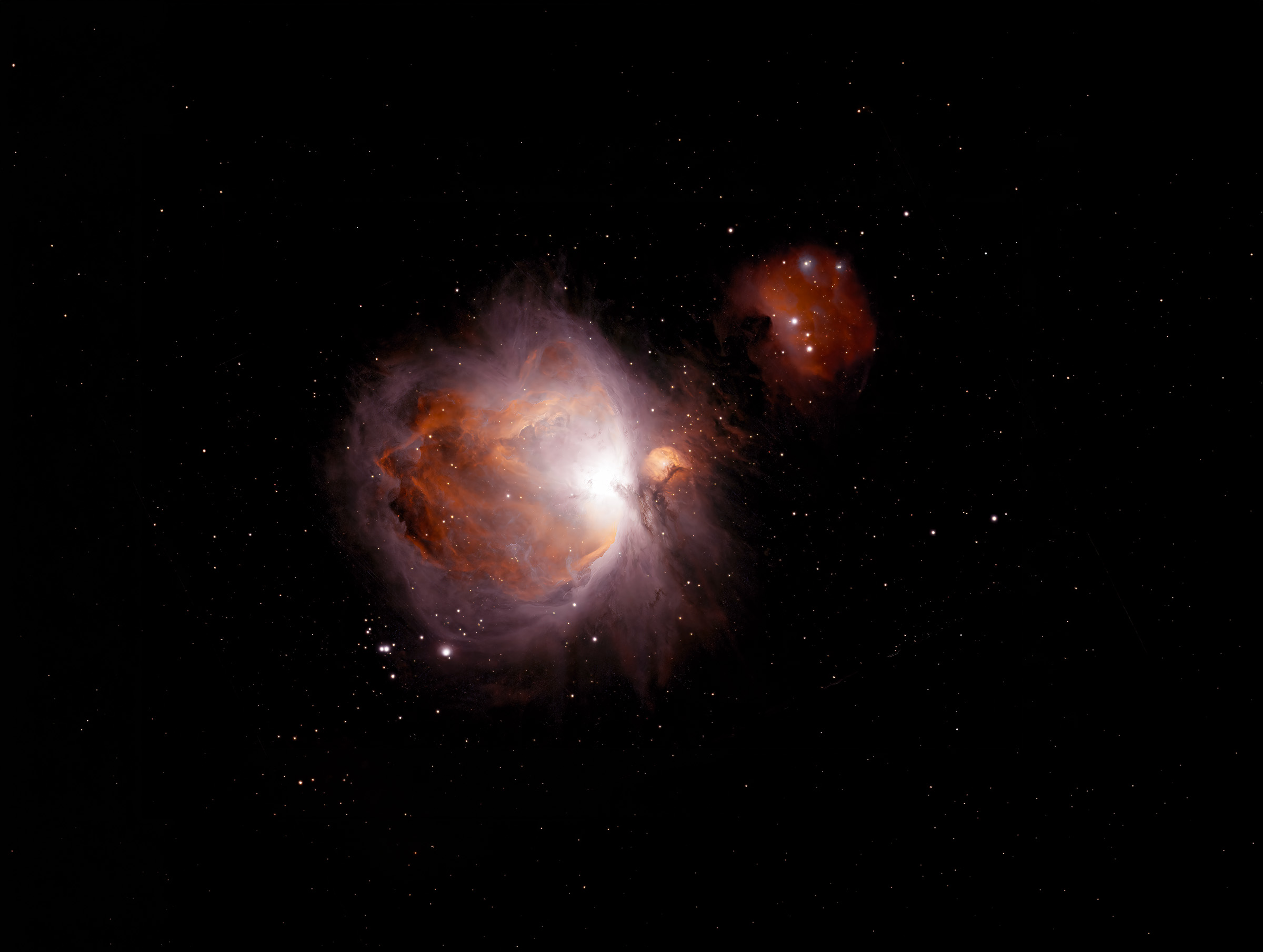
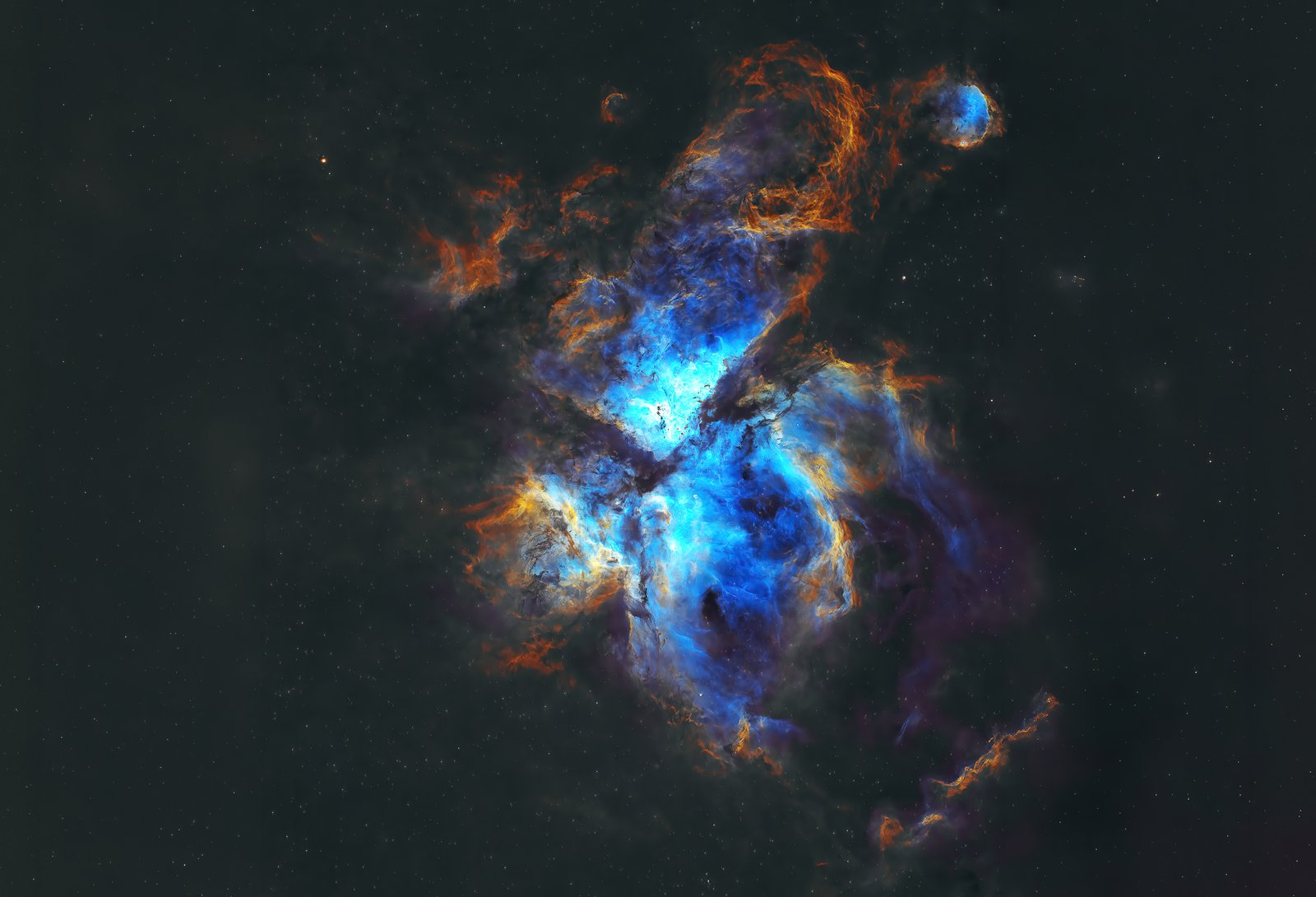
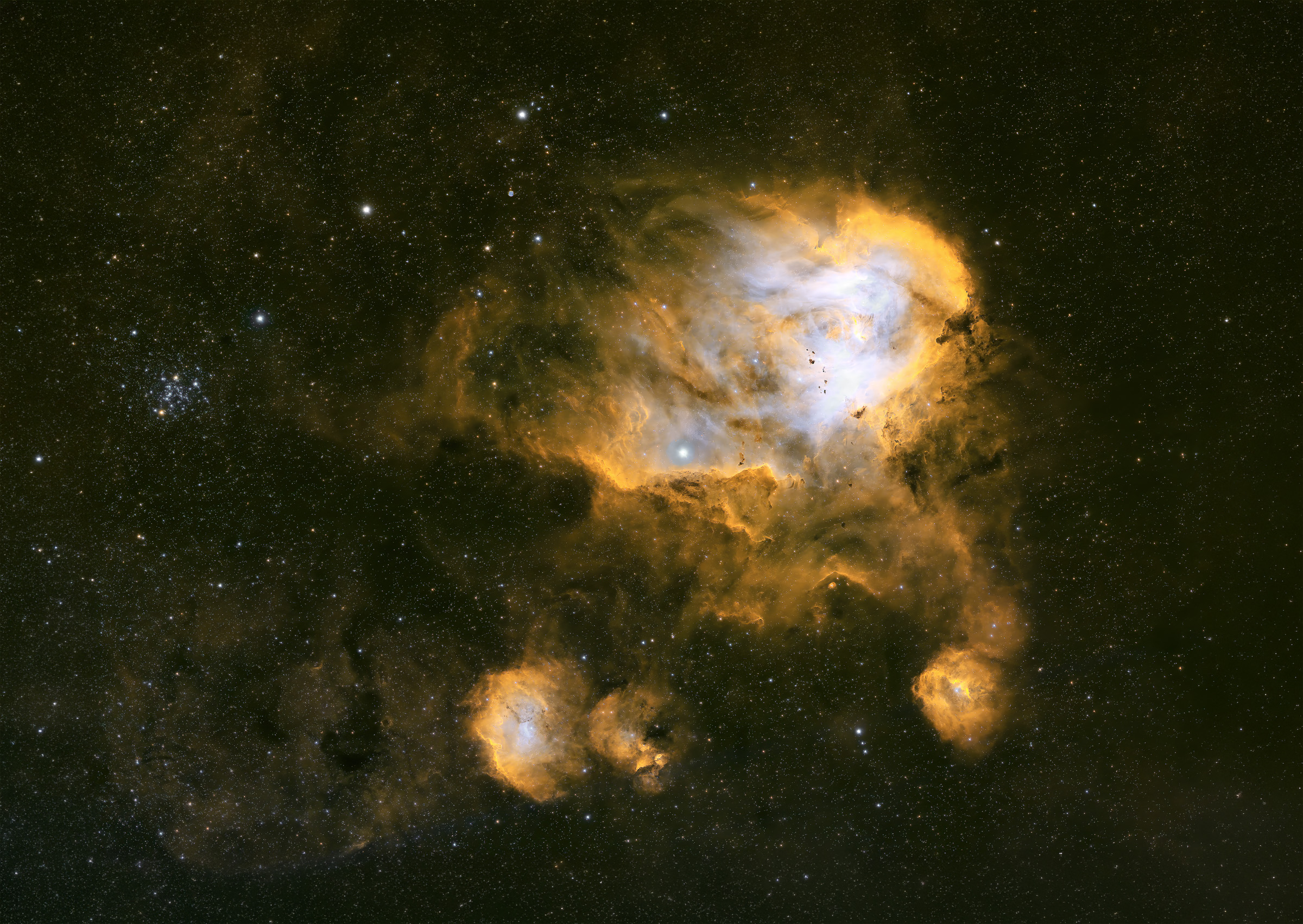
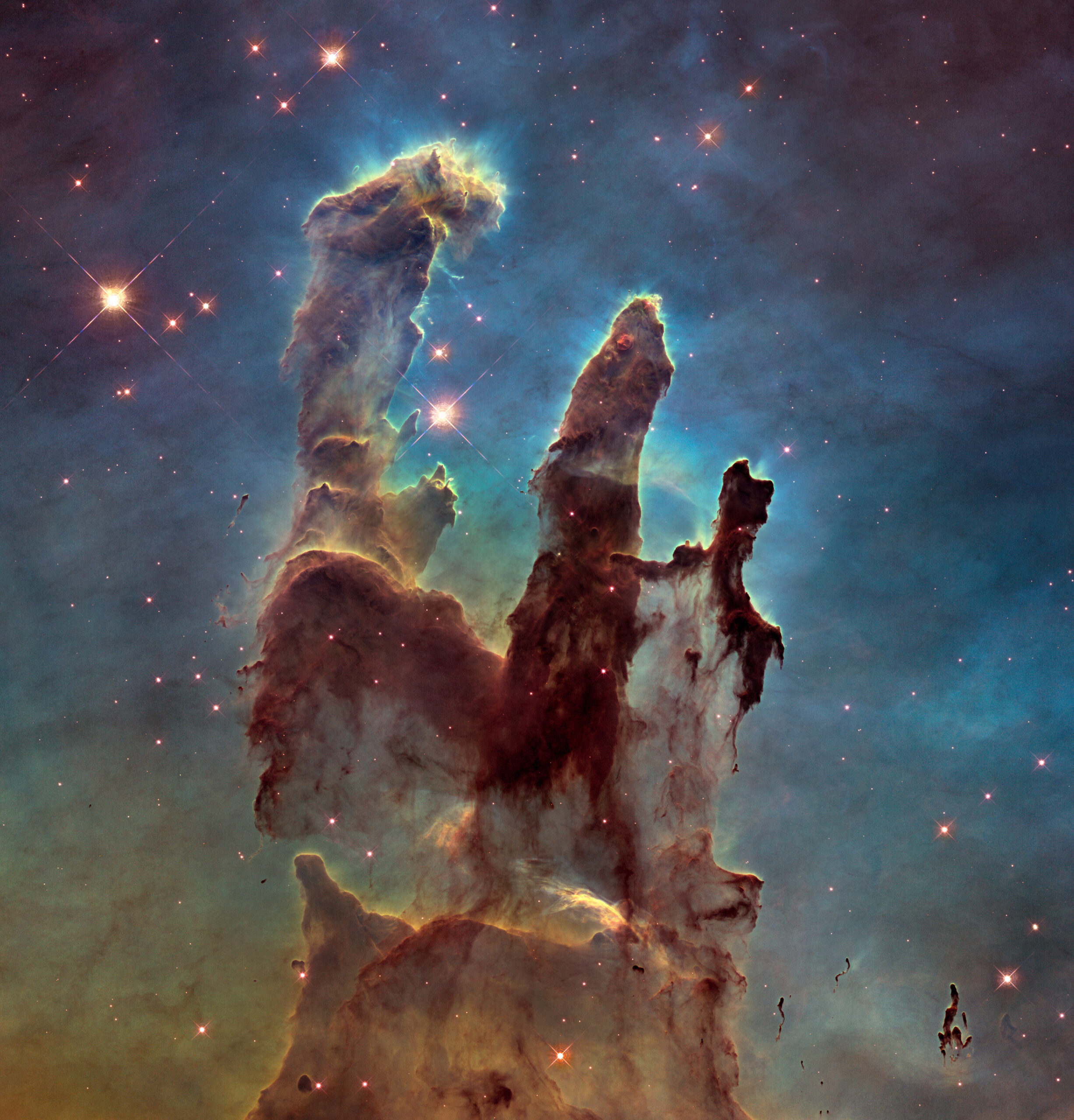
For the purpose of celestial mapping, the sky is considered as the inside of a sphere divided in two halves by the celestial equator.
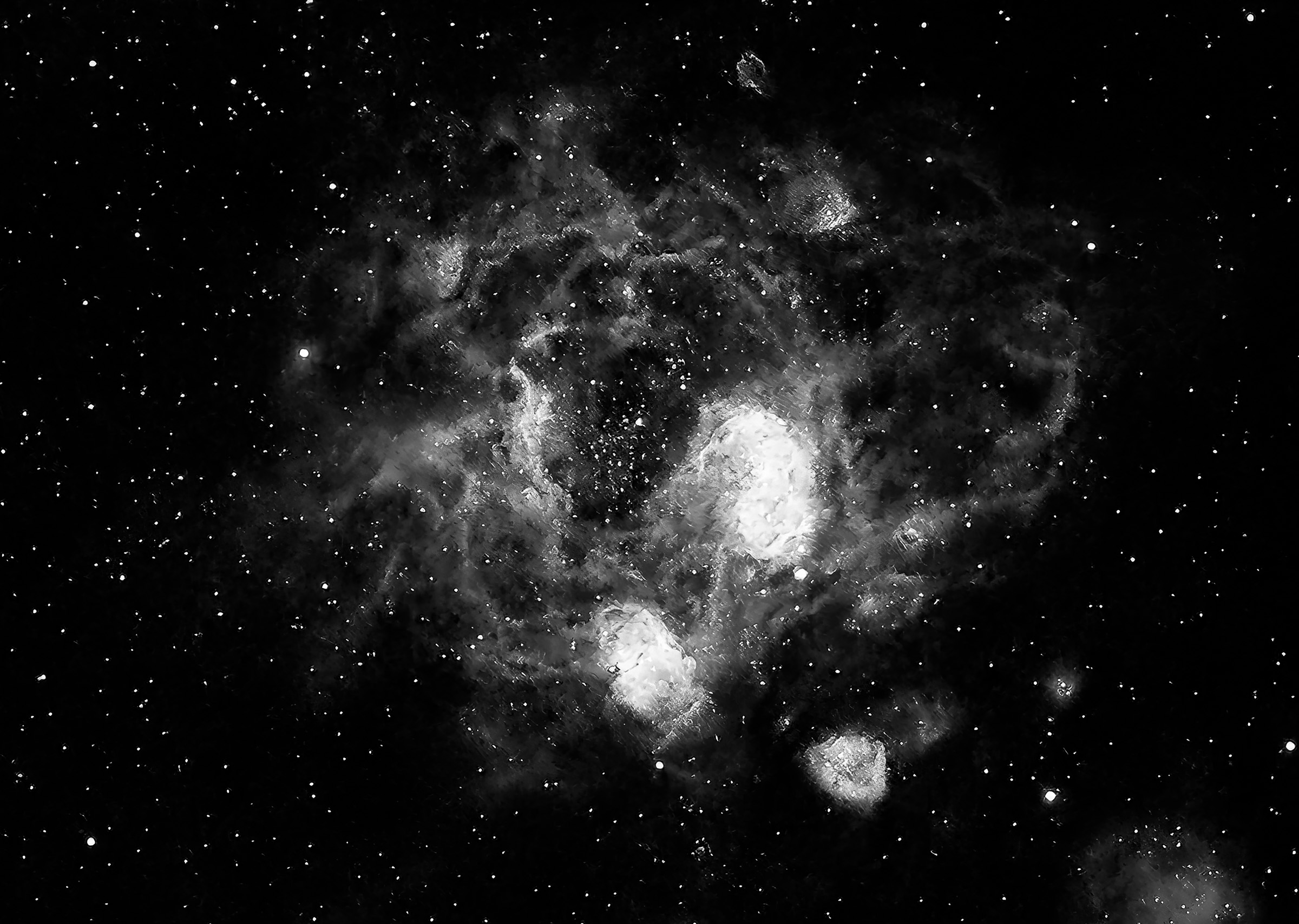
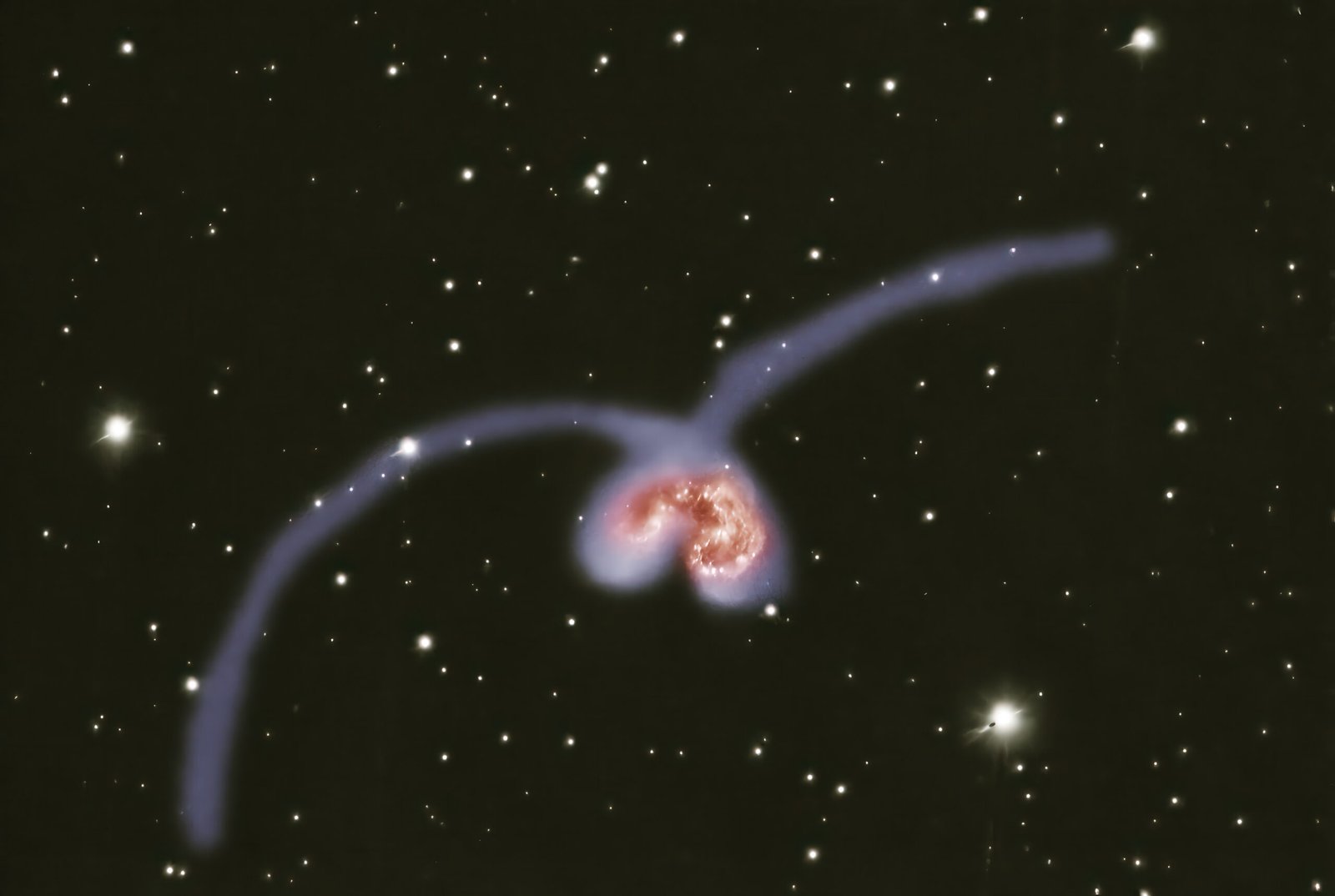
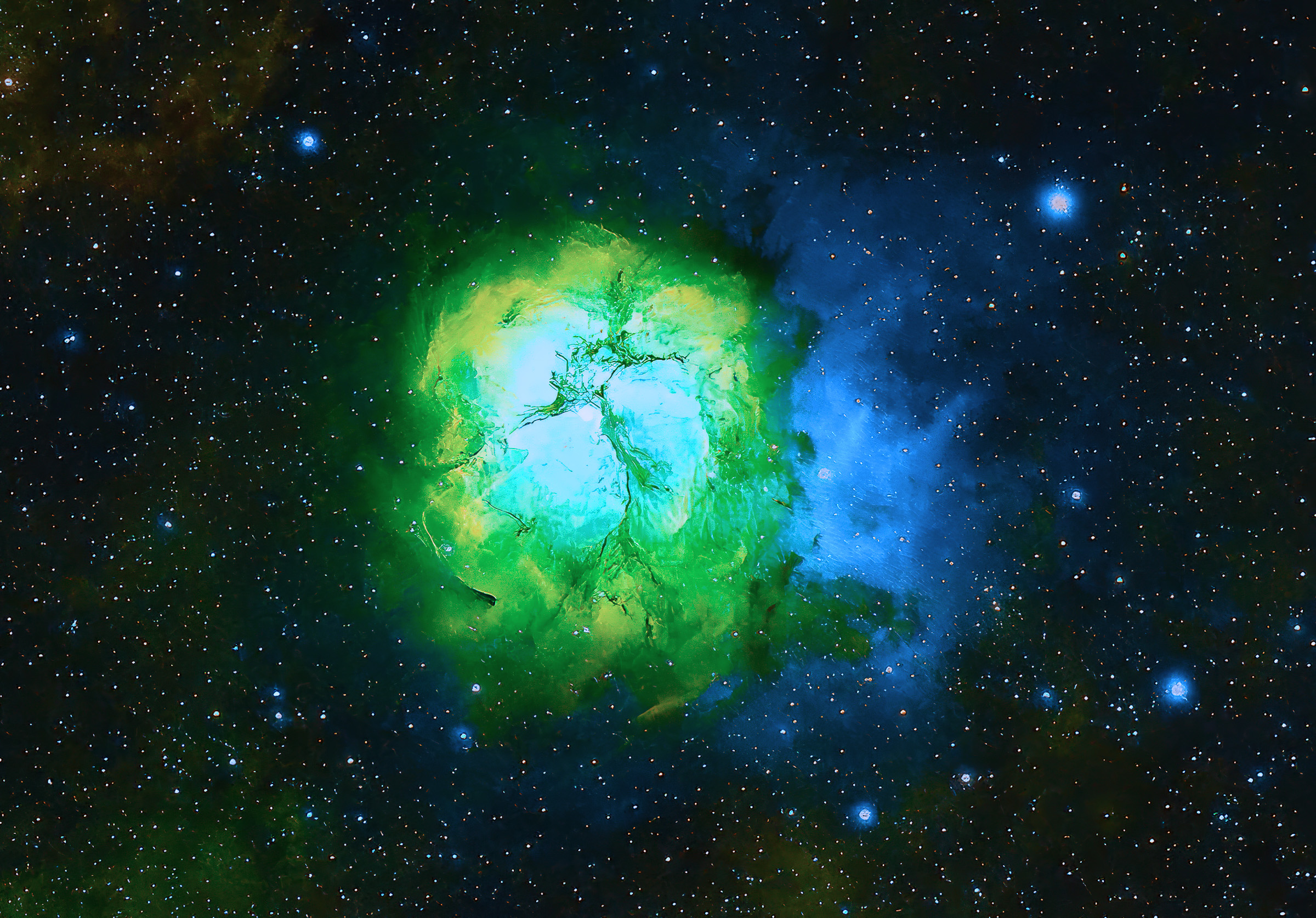
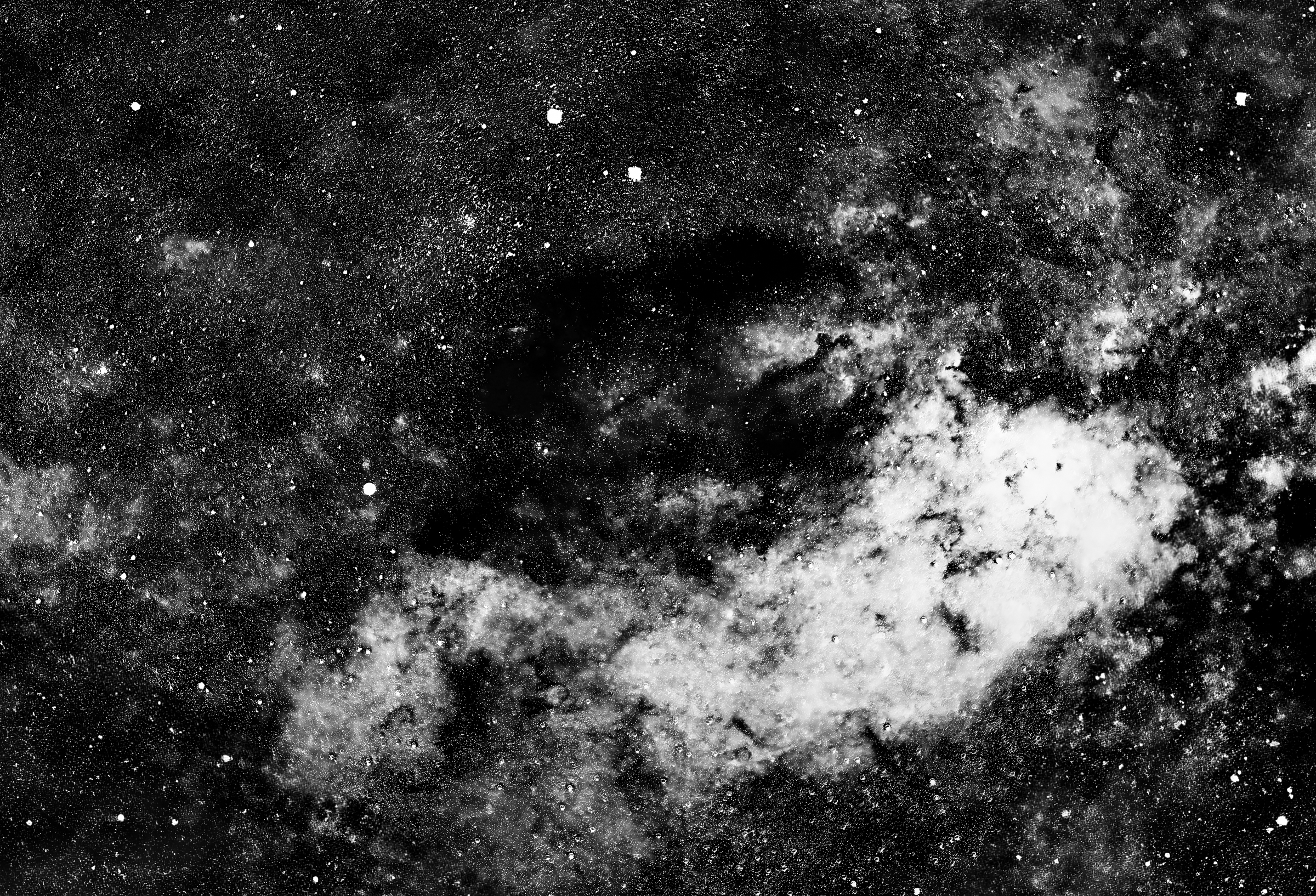
The southern celestial hemisphere is that half of the celestial sphere that is south of the celestial equator. At all times, the entire Southern Sky is visible from the geographic South Pole; less of the Southern Sky is visible the further north the observer is located.
Many objects within the southern celestial hemisphere can also be viewed from the northern terrestrial hemisphere, depending on the latitude.